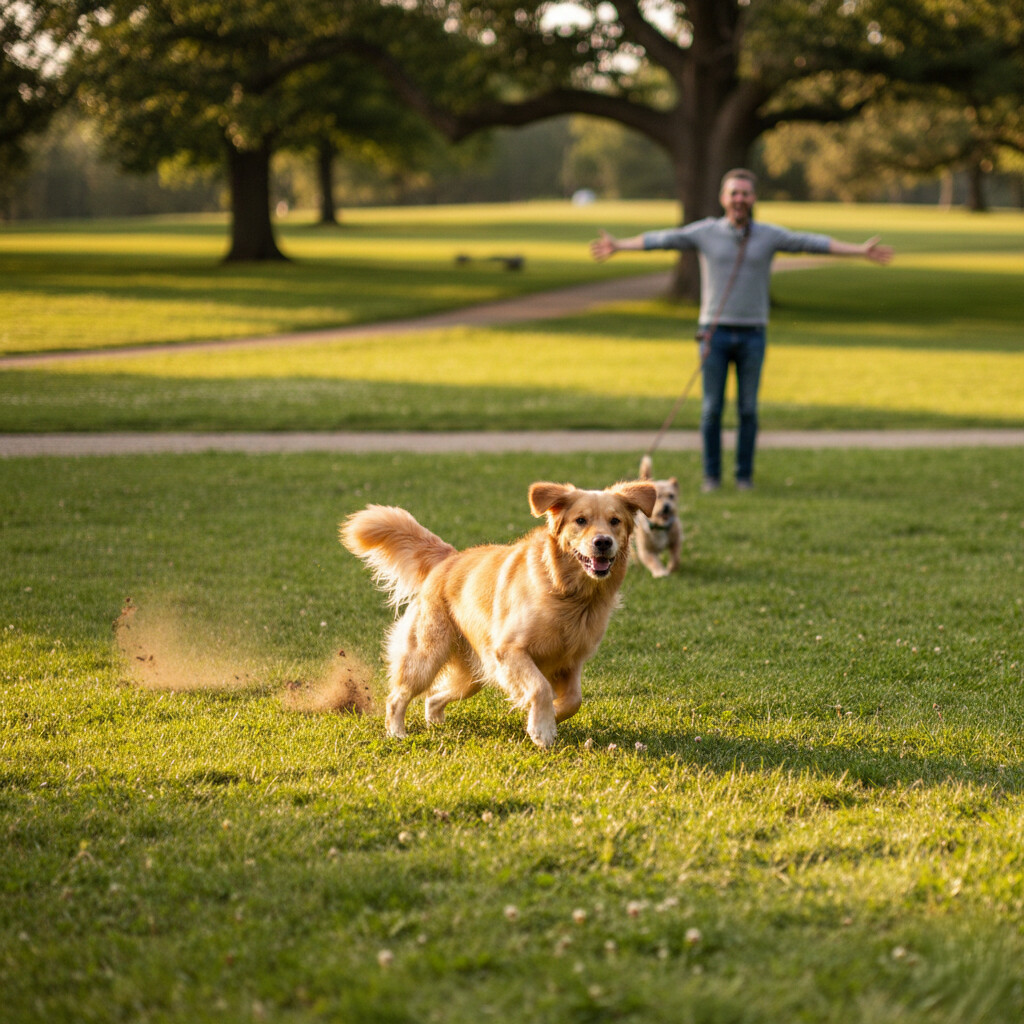
Dogs get “zoomies,” scientifically known as Frenetic Random Activity Periods (FRAPs), to release pent-up energy, relieve stress, or express pure joy. Common triggers include bath time, defecation, late-night spurts of energy, or overstimulation. While it looks chaotic, it is a completely normal and healthy canine behavior found in dogs of all ages and breeds.
Summary Table
| Feature | Description |
| Scientific Name | Frenetic Random Activity Periods (FRAPs) |
| Primary Cause | Release of pent-up energy or stress relief |
| Common Triggers | Baths, pooping, creating excitement, bedtime, frustration |
| Duration | Usually lasts a few minutes or less |
| Safety Level | Generally safe, unless in a cluttered or dangerous area |
| Action Required | None usually; ensure the environment is safe and let them run |
Why Do Dogs Get Zoomies?
Every dog owner knows the look. One minute your dog is sitting calmly, and the next, their eyes go wide, their tail tucks, and they explode into a frantic sprint. They run in circles, bank off the couch, and race through the house like a furry rocket. This phenomenon is affectionately known as the “zoomies.”
While it might look like your dog has temporarily lost their mind, there is actually a scientific reason behind this burst of energy.
Understanding why your dog does this can help you keep them safe and better understand their emotional state.
This guide covers the science, the triggers, and the safety measures you need to know about canine zoomies.
Read Also: Why Do Dogs Lean on People?
What Are Zoomies? (The Science of FRAPs)
The technical term for zoomies is Frenetic Random Activity Periods, or FRAPs. This name perfectly describes what happens:
- Frenetic: The activity is wild, fast, and energetic.
- Random: It often happens without an obvious warning or specific pattern.
- Activity Periods: It is a burst of movement that has a clear start and end.
FRAPs are an instinctual behavior. They are not limited to a specific breed. Whether you have a tiny Chihuahua or a massive Great Dane, chances are you will witness zoomies. Even wild animals, such as wolves and coyotes, exhibit similar behaviors to release energy or tension.
Physical Signs of the Zoomies
- The “Play Bow”: Front elbows down, rear end up in the air.
- Tucked Tail: The tail is often tucked between the legs (a posture usually associated with fear, but in this context, it indicates intense excitement).
- Wide Eyes: You might see the whites of their eyes (whale eye) due to excitement.
- Running in Circles: Tight, repetitive loops are very common.
The Top 5 Reasons Dogs Get the Zoomies
While FRAPs can seem random, they are usually triggered by a specific internal or external factor. Here are the most common reasons your dog decides to sprint.
1. Releasing Pent-Up Energy
This is the most common cause. Dogs, especially high-energy breeds like Border Collies, Australian Shepherds, and Jack Russell Terriers, have energy “tanks” that need to be emptied.
If a dog has been crated all day or hasn’t had a walk, that energy builds up like pressure in a soda bottle. Eventually, the cap blows off, resulting in the zoomies.
When this happens:
- First thing in the morning.
- When you come home from work.
- After being released from a crate or kennel.
2. Relief from Stress or Anxiety
Zoomies aren’t always about happiness; sometimes they are about relief. If a dog has been in a stressful situation, running helps them shake off the cortisol (stress hormone) and adrenaline.
Common “Relief” Scenarios:
- Post-Bath Zoomies: Most dogs tolerate baths but don’t love them. Once the water is off and they are towel-dried, they zoom to shake off the water and the stress of being restrained.
- Post-Vet Visits: After holding it together during an exam, a dog might zoom immediately upon leaving the clinic or getting home.
3. Overstimulation and Overtiredness
This is most common in puppies. Just like a toddler who gets hyperactive when they are actually exhausted, puppies get “the crazies” when they desperately need a nap.
Their brains are overloaded with new sights, sounds, and smells, and they lose the ability to regulate their behavior.
Signs your puppy is overtired, not just energetic:
- Nipping or biting more than usual.
- Unresponsive to commands they usually know.
- Zoomies that seem more frantic than joyful.
4. The “Post-Poop” Celebration
Many owners notice their dogs zooming immediately after defecating. There isn’t a definitive scientific consensus on why, but there are strong theories:
- Physical relief: It feels good to empty the bowels.
- Scent marking: Kicking up grass and running spreads their scent.
- Evolutionary instinct: In the wild, running away from waste might prevent predators from tracking them easily.
5. Pure Joy and Playfulness
Sometimes, a dog is just happy. If you engage them in play, bring out a new toy, or see a favorite doggy friend, the excitement can overflow into a FRAP. This is a sign of a happy, emotionally healthy dog.
Read Also: Why Do Dogs Shake After Play or Baths?
Common Zoomie Triggers
To better predict when your dog might take off, watch for these specific triggers.
Bath Time
As mentioned, wet dogs almost always zoom. Wet fur feels heavy and strange. Running increases air flow to dry the coat, and rubbing against furniture (or rugs) helps remove the water.
Bedtime (The Witching Hour)
Many dogs get a surge of energy late at night, often called the “witching hour.” This is likely a last-ditch effort to expel remaining energy before settling down for a long sleep.
Snow and Sand
Novel textures often trigger FRAPs. The sensation of soft sand on a beach or cold, fluffy snow on paws is highly stimulating. The sensory input is different from grass or pavement, prompting a wild reaction.
Are Zoomies Safe?
In the vast majority of cases, zoomies are perfectly safe. However, the environment can make them dangerous.
When to be careful:
- Slippery Floors: Hardwood or tile floors offer zero traction. A zooming dog can slip and tear a CCL (cranial cruciate ligament) or strain a muscle.
- Cluttered Rooms: Sharp table corners, breakable vases, or children’s toys can cause injury if a dog crashes into them.
- Unfenced Areas: If a dog gets the zoomies in an unfenced yard or near a road, they will not stop for cars. Their recall (come command) often disappears during a FRAP.
- Large Breeds: Great Danes or Mastiffs zooming in a small apartment can unintentionally knock over furniture or people.
How to Handle and Manage Zoomies
You generally shouldn’t try to stop a dog mid-zoom unless they are in danger. Attempting to grab a zooming dog can result in accidental nips or getting knocked over. Instead, manage the situation.
1. Move to a Safe Spot
If your dog starts zooming inside and it’s dangerous, open the back door immediately. Direct that energy into the yard where the grass provides traction, and there are fewer obstacles.
2. Do Not Chase
Chasing a dog having zoomies adds fuel to the fire. They will think you are joining the game, and their excitement will spike. If you need to catch them for safety reasons, grab a high-value treat or a toy to lure them to you instead.
3. Wait It Out
FRAPs rarely last longer than a minute or two. Step back, protect your breakables, and enjoy the show. Once they stop, they will usually be panting and ready to rest.
4. Increase Daily Exercise
If your dog has zoomies constantly (multiple times a day), it may be a sign they are under-stimulated.
- Mental Stimulation: Puzzle toys, sniff mats, and training sessions.
- Physical Exercise: Longer walks, fetch, or agility training.
Read Also: What It Means When a Dog Sighs?
Zoomies vs. Obsessive Behavior
It is important to distinguish between normal FRAPs and compulsive behaviors.
Normal Zoomies
- Lasts a short time.
- The dog looks happy (relaxed face, play bow).
- Happens occasionally.
- The dog collapses or rests afterward.
Compulsive/Problematic Behavior
- The dog seems frantic or distressed.
- Tail chasing that results in self-injury.
- Spinning in circles for long periods without stopping.
- Snapping at invisible flies or shadows.
If the behavior seems obsessive, repetitive, or strictly anxiety-driven rather than joyful, consult a veterinarian or a certified animal behaviorist.
Do Cats Get Zoomies Too?
Yes! The entity “zoomies” is not exclusive to canines. Cats often experience FRAPs, usually in the evening or after using the litter box. The mechanics are the same: a sudden release of pent-up hunting energy. However, cat zoomies often involve more vertical movement, climbing curtains, jumping on refrigerators, whereas dog zoomies are horizontal sprints.
Conclusion
Dog zoomies are a natural, hilarious, and healthy part of being a dog. They are a clear signal that your dog has energy to burn or is feeling a rush of big emotions.
By understanding that FRAPs are normal, you can stop worrying about your dog’s sanity and start enjoying their goofy antics.
Remember to keep the environment safe, watch out for slippery floors, and let them run it out. A dog that zooms is usually a happy dog.