
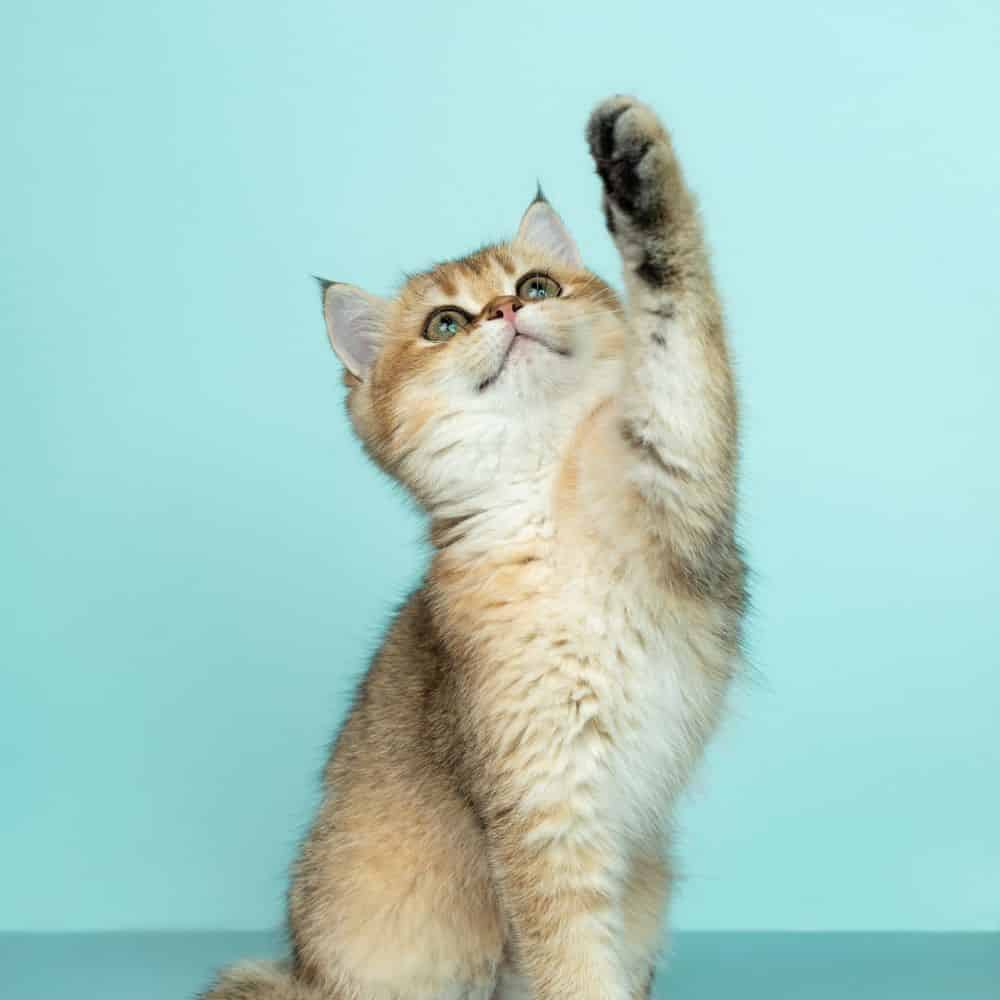
If you are a cat owner, you’ve likely experienced the “biscuit-making” ritual. Your cat hops onto your lap, starts purring, and begins rhythmically pushing their paws in and out against your legs.
While it looks like they are preparing a batch of dough, this behavior—scientifically known as kneading—is a fascinating mix of instinct, communication, and comfort.
What Exactly is Cat Kneading?
Kneading is a repetitive, rhythmic motion where cats alternate their front paws, pushing them against a soft surface and then pulling them back.
While some cats keep their claws tucked away, many others extend them during the “push” phase. This behavior is almost always accompanied by loud purring and a look of deep concentration or relaxation.
5 Surprising Reasons Why Cats Knead
1. A Comforting Memory from Kittenhood
The most common reason for kneading is rooted in infancy. Kittens knead their mother’s belly to stimulate the flow of milk while nursing. Even as adult cats, they continue this motion because they associate it with the safety, warmth, and comfort of being with their mother.
2. Marking Their Territory
Cats are highly territorial animals. They have scent glands located in the soft pads of their paws. When a cat kneads a blanket, a couch, or your chest, they are releasing their unique scent onto that surface. To a cat, “making biscuits” on you is a way of saying, “This person belongs to me.”
3. Creating a Wild “Nest”
Before cats were domesticated, they lived in the wild. To make a safe and comfortable place to sleep, they would knead tall grass or piles of leaves to pat them down into a soft, flat nest. This instinct remains in modern house cats, which is why they often knead a pillow or blanket right before they settle down for a nap.
4. Stretching and Muscle Maintenance
Cats are natural athletes, and kneading serves as a great way to stay limber. The motion allows them to stretch their toes, paws, and the muscles in their legs and shoulders. You’ll often see a cat knead right after waking up from a long sleep to get their blood flowing.
5. Signalling a Mating Partner
In some cases, unspayed female cats will knead more frequently when they are going into heat. This is often accompanied by other behaviors, such as being extra vocal or rubbing against furniture, to signal to male cats that they are ready to mate.
What if the “Biscuits” are Painful?
We love our cats, but we don’t always love their sharp claws digging into our skin. If your cat’s kneading is getting a bit too intense, here is how to handle it without hurting their feelings:
- Keep Nails Trimmed: Regularly trimming the very tips of your cat’s claws will make the kneading sensation much more pleasant for you.
- The “Blanket Buffer”: Keep a dedicated thick blanket or towel nearby. If your cat prepares to knead on your lap, gently slide the blanket between you and the cat.
- Distract and Redirect: If it becomes too painful, don’t yell or push them off. Instead, gently pet them and move them to a nearby pillow, or distract them with a toy.
Frequently Asked Questions
Why does my cat lick me while kneading?
Licking and kneading together is the ultimate sign of affection. It means your cat views you as a “parent” or a trusted member of their family. They are grooming you just as a mother cat would groom her kittens.
Why do they purr so loudly during the process?
Purring is a cat’s way of expressing deep contentment. Since kneading is a relaxing, happy activity for them, the purring is simply a physical sign that they are feeling completely safe and satisfied.
Is it normal if my cat doesn’t knead?
Yes! Just like humans, every cat has a unique personality. Some cats never learn to knead, while others only do it on specific fabrics. As long as your cat is healthy and active, a lack of kneading is nothing to worry about.
At what age do they start?
Kittens usually start kneading within the first two weeks of life. It is one of the very first physical skills they develop to help them survive.