
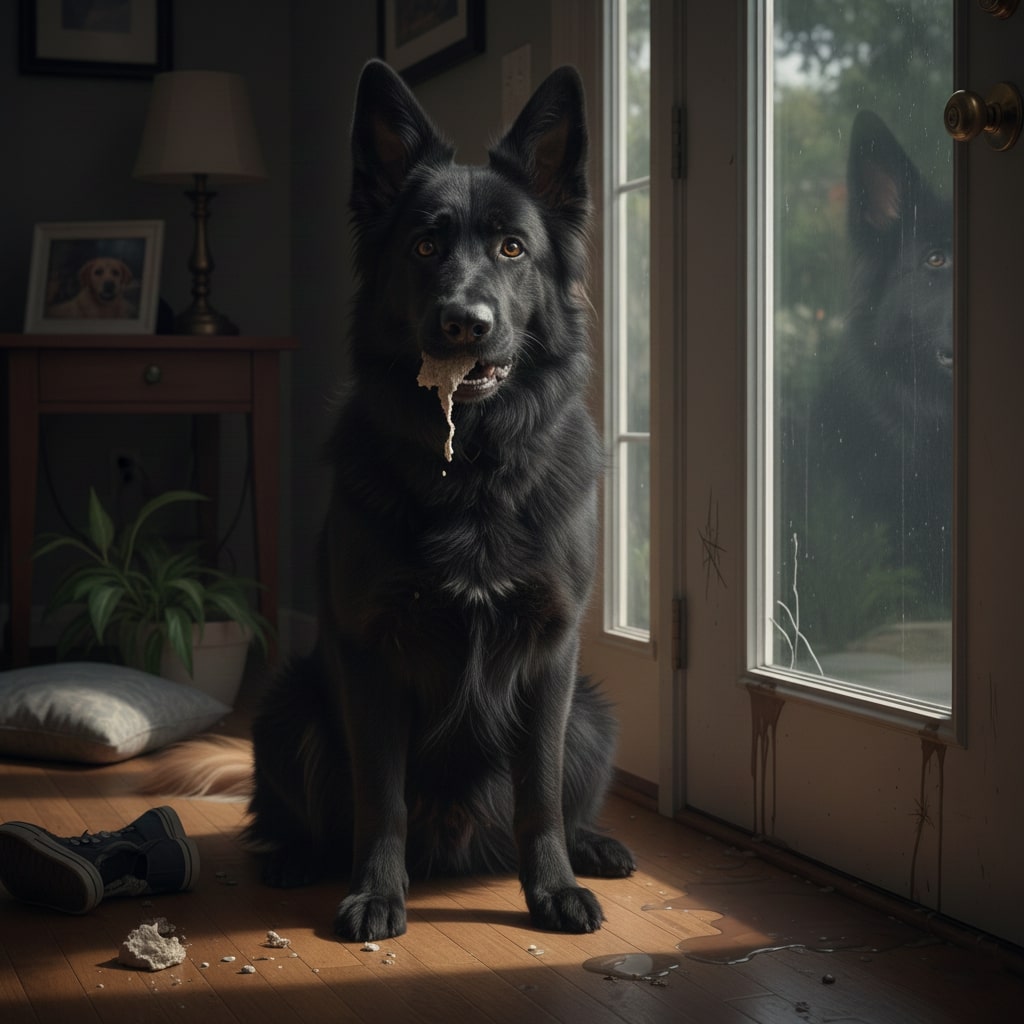
Separation anxiety in dogs is triggered by a genuine panic response when they are left alone or separated from their primary attachment figures. The main causes include significant disruptions to routine, such as a sudden change in the owner’s work schedule, moving to a new home, or a change in household membership due to death, divorce, or a new baby. Other major contributing factors are a history of being rehomed or spending time in a shelter, a lack of early training on how to be alone, traumatic events experienced while alone, and genetic predispositions toward general anxiety.
Summary Table: Separation Anxiety in Dogs
| Cause/Factor Category | Specific Examples and Description |
| Major Life Changes | Moving to a new house, a sudden change in the owner’s work hours (e.g., returning to the office after working remotely), or a family member leaving the home. |
| Rehoming History | Dogs adopted from shelters or those who have had multiple owners frequently experience anxiety due to past instability and fear of abandonment. |
| Household Dynamics | The arrival of a new baby, a new pet, or the loss of another resident pet can disrupt the dog’s sense of security. |
| Lack of Early Training | Puppies that are never taught that being alone is safe and temporary often develop panic when suddenly left alone as adults. |
| Hyper-Attachment | Dogs that are constantly glued to their owner’s side (“Velcro dogs”) often lack the confidence to function independently. |
| Traumatic Events | An older dog may develop anxiety after a frightening event occurred while they were alone, such as a burglary, fire alarm, or severe thunderstorm. |
| Genetics and Medical | Some breeds are more prone to anxiety. Underlying medical issues like pain or cognitive decline in senior dogs can also contribute to distress behaviors. |
What Causes Separation Anxiety in Dogs?
To understand what causes separation anxiety, we must first understand what it is. It is crucial to recognize that a dog with separation anxiety is not being “bad.” They are not acting out of spite or anger because you left for work.
Separation anxiety is a true panic disorder. When the dog is left alone, or even when they sense you are about to leave, they enter a state of high distress.
It is similar to a human having a full-blown panic attack. The behaviors owners see, the destruction, barking, and house soiling, are symptoms of that terror. They are desperate attempts to cope with overwhelming fear or to escape confinement to find their owner.
Identifying the root cause is the first step in helping a dog manage this condition. While sometimes there is no single obvious trigger, most cases stem from specific life events or inherent traits.
Read Also: Why Do Dogs Bark at Nothing?
The Primary Causes of Separation Anxiety
There is rarely one single cause for this complex behavioral issue. It is often a combination of a dog’s personality and environmental factors. However, experts have identified several primary triggers that frequently lead to the development of separation anxiety.
1. Change of Guardianship or Residence
The most common trigger for separation anxiety is a loss of stability. Dogs rely heavily on routine and familiar surroundings to feel safe.
- Shelter and Rescue Dogs: Dogs adopted from shelters are overrepresented in separation anxiety cases. Being surrendered by a previous family, staying in a loud and stressful kennel environment, and then moving to a new, unfamiliar home is incredibly traumatic. These dogs often fear that once an attachment figure leaves, they might never return.
- Moving Homes: Even if the family remains the same, moving to a new house can trigger anxiety. The new environment smells different, has different sounds, and lacks the comforting familiarity of the old territory. Until the dog feels secure in the new space, being left alone there can be terrifying.
2. Significant Changes in Schedule
Dogs are creatures of habit. They fixate on our daily routines to predict what will happen next. A predictable day equals a safe day for a dog.
When a routine changes abruptly, it shatters that predictability. The most recent widespread example of this occurred after the global pandemic lock-downs.
- The “Return to Work” Effect: Many dogs got used to their owners being home 24/7 for months or years. They were never alone. When owners suddenly returned to the office for eight hours a day, these dogs had no coping mechanisms for the sudden, prolonged absence. Their world went from constant companionship to sudden isolation.
- Shift Changes: Even smaller changes, like an owner switching from a night shift to a day shift, disrupts the dog’s sleeping and waking feeding schedule, leading to anxiety that can manifest when the owner leaves.
3. Changes in Household Membership
Dogs view their family as their pack. Their sense of security depends on the stability of that pack structure.
- Loss of a Family Member: The death of a family member (human or another pet) or a divorce where someone moves out leaves a void in the home. The dog may grieve and feel insecure, leading to panic when the remaining caregiver leaves.
- New Additions: Conversely, adding a new baby, a new spouse, or a new pet can also be stressful. The owner’s attention is divided, routines shift to accommodate the new arrival, and the dog may feel unsettled by the change in dynamics.
4. Lack of Early Experience with Being Alone
Prevention is easier than a cure, and this is especially true for separation anxiety.
Puppies need to be gently and gradually taught that being alone is a normal, safe part of life. If a puppy is constantly held, taken everywhere, and never left in a crate or a safe room for short periods, they never develop independence.
When that dog reaches adolescence or adulthood and is suddenly left alone for several hours, they panic because they have no frame of reference for this experience. They have never learned self-soothing behaviors.
Risk Factors That Contribute to Anxiety
Beyond the direct causes listed above, certain risk factors can make a dog more susceptible to developing separation anxiety when faced with a trigger.
Read Also: Can Dogs Eat Bacon?
Hyper-Attachment to the Owner
There is a distinct difference between a dog who loves their owner and a dog who is hyper-attached.
A hyper-attached dog is often described as “Velcro.” They follow their owner from room to room, cannot relax if the owner is out of sight, and lean against the owner constantly. They rely entirely on the owner for their emotional regulation. The owner has become their only “safety signal.”
When that safety signal disappears (leaves the house), the dog falls apart emotionally. While not all Velcro dogs develop separation anxiety, they are at a much higher risk.
Traumatic Events During Isolation
Sometimes, an older dog that has never had issues being alone will suddenly develop severe anxiety. This is often linked to a specific traumatic event that occurred while they were alone.
If a dog is alone during a terrifying experience, they may associate being alone with that terror. Examples include:
- A severe thunderstorm or lightning strike near the house.
- Fireworks going off nearby.
- A home invasion or burglary.
- Changing smoke detector batteries that chirp loudly for hours.
- Being trapped in a room due to a closed door.
The dog associates the fear of that event with the state of being alone, and future absences trigger the memory of that fear.
Read Also: Can Dogs Eat Pepperoni?
Genetic Predisposition
Nature plays a role alongside nurture. Just as anxiety disorders run in human families, some dogs are genetically predisposed to be more anxious, fearful, or dependent.
While any breed can develop separation anxiety, highly people-oriented breeds (like Labrador Retrievers or Vizslas) or herding breeds that are wired to be hyper-aware of their environment (like Border Collies) may have a slightly higher baseline risk if their needs aren’t met.
Medical Causes (The Importance of Vets)
It is vital to understand that sometimes behavior that looks like separation anxiety is actually a medical issue.
Before assuming a behavioral cause, a veterinarian must rule out physical problems.
- Incontinence: A dog urinating in the house when alone might have a urinary tract infection, kidney issues, or age-related incontinence, not anxiety.
- Pain: Dogs in pain (arthritis, dental issues) are often more anxious and restless in general.
- Cognitive Decline: Senior dogs suffering from Canine Cognitive Dysfunction (similar to dementia) often experience increased anxiety, confusion, and sleep cycle disturbances that can worsen when they are alone.
- Visual Prompt: An image of a friendly veterinarian in a blue scrub top examining a beagle on a metal examination table, using a stethoscope.
What Does Not Cause Separation Anxiety
There are many pervasive myths about what causes this condition. Believing these myths often leads owners to use the wrong training methods, which can make the anxiety worse.
- It is NOT caused by spoiling your dog: Giving your dog treats, letting them sleep on the bed, or loving them very much does not cause separation anxiety. You cannot “love” a dog into a panic disorder.
- It is NOT done out of spite: Dogs do not destroy sofas or urinate on the rug to “punish” you for leaving. These are involuntary physical reactions to extreme terror.
- It is NOT caused by a lack of obedience: A dog with separation anxiety knows the command “sit” or “stay.” They are just too panicked to perform those commands when you are leaving. Obedience training does not fix anxiety disorders.
Conclusion
Separation anxiety is a debilitating condition for a dog and an incredibly stressful one for the owner. It arises not from a lack of discipline, but from genuine fear stemming from routine disruption, past trauma, lack of coping skills, or genetic predisposition.
Recognizing that the behaviors are symptoms of panic, rather than bad behavior, is essential. If you suspect your dog is suffering from separation anxiety, the best course of action is to consult with a veterinarian to rule out medical issues, and then seek help from a certified professional dog trainer or a veterinary behaviorist who specializes in anxiety disorders.