
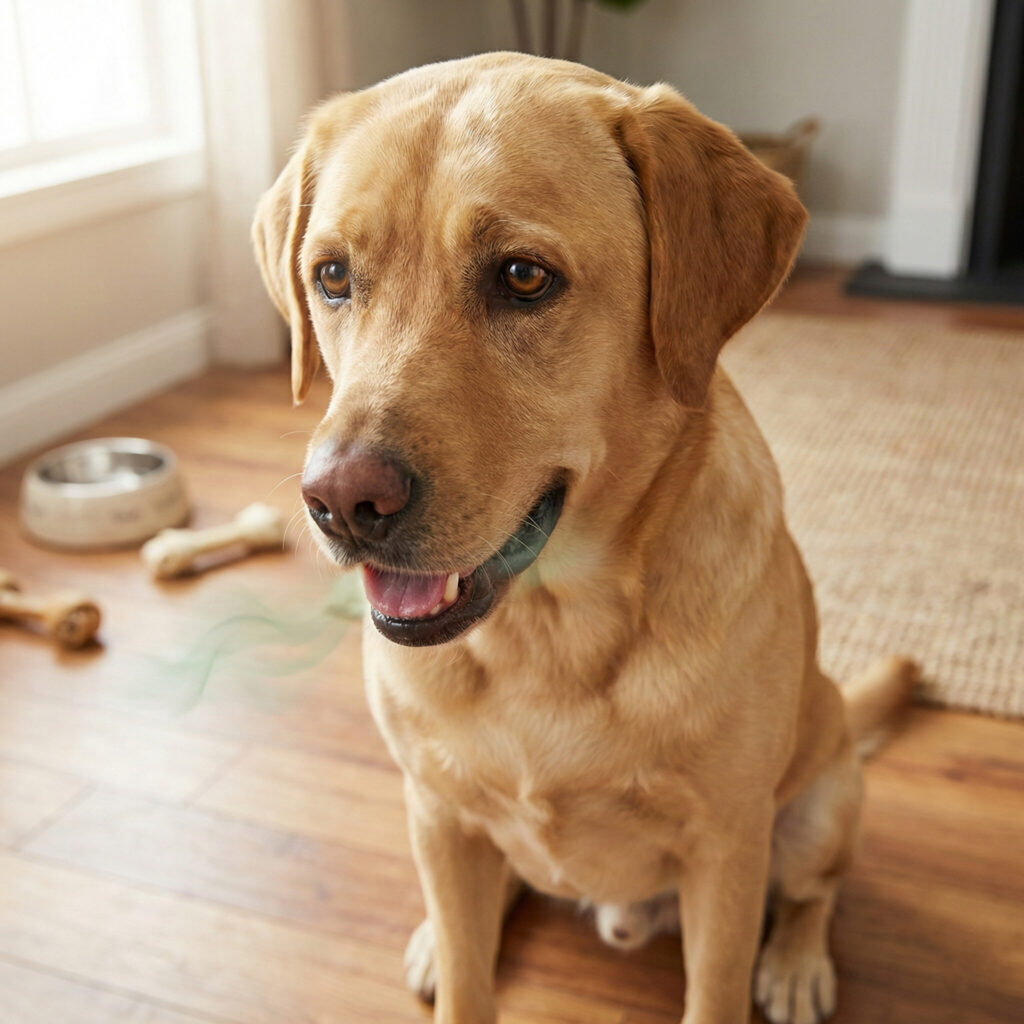
Bad breath in dogs, medically known as canine halitosis, is most frequently caused by periodontal disease resulting from plaque and tartar buildup. Other common causes include dietary indiscretions (such as eating garbage or feces), oral trauma, or stuck foreign objects. In more serious cases, persistent bad breath can indicate underlying systemic health issues like kidney disease, liver disease, or diabetes.
Summary Table
| Cause | Key Symptoms | Potential Solution |
| Periodontal Disease | Red gums, tartar buildup, bleeding | Professional cleaning, daily brushing |
| Dietary Habits | Eating poop, garbage, or strong foods | Restrict access to trash, change diet |
| Kidney Disease | Breath smells like urine, increased thirst | Veterinary care, prescription diet |
| Liver Disease | Musty or foul breath, yellow gums (jaundice) | Medication, liver support supplements |
| Diabetes | Sweet or fruity breath, weight loss | Insulin therapy, diet management |
| Oral Trauma | Broken teeth, swelling, excessive drooling | Tooth extraction, antibiotics |
Causes Bad of Breath in Dogs: Canine Halitosis
We often joke about “doggy breath,” assuming it is just a natural part of owning a pet. While a dog’s breath will never smell minty fresh, a truly foul, repulsive odor is not normal. It is almost always a signal that something is wrong in your dog’s mouth or inside their body.
Medical professionals call this condition halitosis. For pet owners, it is a warning sign. While the majority of cases originate in the mouth due to poor hygiene, some cases are symptoms of serious internal diseases that require immediate veterinary attention.
Understanding the root cause is the first step toward curing the smell and ensuring your dog lives a long, healthy life.
Read Also How Obesity Impacts a Dog’s Lifespan
1. Periodontal Disease
By far the most common reason for bad breath in dogs is periodontal disease. Studies show that nearly 80% of dogs have some form of dental disease by age three. Just like humans, dogs develop plaque after eating. If this plaque is not removed, it hardens into tartar (calculus).
How Plaque Turns into Bad Breath
Plaque is a sticky film composed of bacteria. When it coats the teeth, these bacteria multiply and produce foul-smelling sulfur compounds. Over time, the plaque mineralizes into hard, brown tartar that pushes against the gum line.
This leads to gum inflammation, known as gingivitis. If left untreated, the gums pull away from the teeth, creating pockets where more bacteria and food particles get trapped. This creates a cycle of infection and decay that produces a rotting smell.
Signs of Periodontal Disease
- Brown or yellow tartar on the teeth
- Red, swollen, or bleeding gums
- Difficulty eating or chewing on one side
- Loose or missing teeth
- Excessive drooling
- Pawling at the mouth
If you notice these signs, a toothbrush alone will not fix it. Your dog likely needs a professional dental cleaning under anesthesia to remove the tartar below the gum line.
2. Dietary Indiscretion: Eating Things They Shouldn’t
Dogs are scavengers by nature. Sometimes, the cause of their bad breath is simply what they put in their mouths. This behavior is called dietary indiscretion.
Coprophagia (Eating Poop)
It is a gross reality for many dog owners: some dogs eat their own poop or the poop of other animals (like cats or deer). This habit, called coprophagia, causes immediate and horrific breath. While the smell usually fades after they eat and drink water, the bacteria from the feces can linger.
Garbage and Rotting Food
If your dog gets into the kitchen trash or finds a dead animal in the yard, their breath will smell like rotting garbage. Decomposing food is full of bacteria that produce gas. Furthermore, eating spoiled food can cause gastrointestinal upset, leading to burping that smells foul.
Stuck Foreign Objects
Sometimes, the smell isn’t from the stomach, but from something stuck in the mouth. Sticks, bone fragments, or plastic toys can get wedged between teeth or stuck to the roof of the mouth. This trapped object rots and collects bacteria, causing a localized infection and a terrible smell.
Read Also: Signs of Hormonal Imbalance in Dogs
3. Systemic Health Issues
If you brush your dog’s teeth regularly and their breath still smells bad, the problem might be internal. Your dog’s breath can actually give you specific clues about which organ is struggling.
Kidney Disease
The kidneys are responsible for filtering waste products like urea out of the blood. If the kidneys are failing, they cannot filter these toxins effectively. The waste builds up in the bloodstream and eventually enters the saliva.
- The Smell: Breath that smells like urine or ammonia.
- Other Symptoms: Excessive drinking, excessive urination, lethargy, and loss of appetite.
Liver Disease
The liver filters toxins and helps with digestion. When the liver is compromised, foul-smelling sulfur compounds are released into the lungs and exhaled.
- The Smell: A musty, dead, or deeply foul odor.
- Other Symptoms: Yellowing of the eyes or gums (jaundice), vomiting, and distinct behavioral changes.
Diabetes
Diabetes occurs when the body cannot regulate blood sugar. When a dog is diabetic and their condition is uncontrolled, their body breaks down fat for energy, producing ketones.
- The Smell: A sweet, fruity, or nail-polish remover scent.
- Other Symptoms: Increased thirst, weight loss despite a good appetite, and frequent urination.
4. Oral Tumors and Growths
Older dogs are more susceptible to oral tumors. These growths can be benign or malignant (cancerous). As a tumor grows, it often outgrows its blood supply, causing parts of the tissue to die (necrose). Dead tissue is a breeding ground for bacteria.
Furthermore, tumors can trap food and become infected. If you see lumps on your dog’s gums or notice the shape of their jaw looks different, this requires an immediate vet visit.
Diagnosing the Problem
You cannot diagnose the root cause of bad breath just by smelling it. You need a veterinarian to perform a physical exam.
The Oral Exam
The vet will lift your dog’s lip to look at the teeth and gums. They will check for loose teeth, tartar buildup, and oral tumors. If the dog is in pain, the vet may recommend sedation to do a thorough check.
Blood Work and Urinalysis
If the mouth looks relatively healthy but the smell persists, the vet will look inward. Blood tests can reveal high blood sugar (diabetes), elevated kidney enzymes, or liver distress. A urinalysis helps confirm kidney function and checks for sugar in the urine.
Read Also: How to Prevent Joint Problems in Dogs
How to Treat Bad Breath in Dogs
Treatment depends entirely on the cause. Do not try to mask the smell with breath sprays without treating the underlying issue.
Treating Dental Disease
For moderate to severe dental disease, the gold standard is a professional dental cleaning. This is done under general anesthesia. The vet will scale the tartar off the teeth (including under the gum line) and polish them. Severely rotted teeth will be extracted to stop the pain and infection.
Treating Systemic Diseases
- Diabetes: Insulin injections and diet changes.
- Kidney Disease: Fluid therapy, special low-phosphorus diets, and medications to bind toxins.
- Liver Disease: Antibiotics, liver support supplements, and dietary management.
Dietary Management
If the cause is dietary indiscretion, you must manage the environment. Get a locking trash can. Keep the litter box out of reach. If your dog eats poop, there are supplements available that make their stool taste unappealing to them, discouraging the habit.
Read Also: Why Dogs Limp and When to Worry?
Prevention: Keeping the Breath Fresh
Prevention is always cheaper and less painful than a cure. You can prevent the vast majority of bad breath cases by focusing on oral hygiene at home.
1. Daily Tooth Brushing
This is the single most effective way to prevent plaque buildup. You must use a toothbrush designed for dogs and, most importantly, dog-specific toothpaste.
- Warning: Never use human toothpaste. It often contains Xylitol (an artificial sweetener), which is highly toxic and can be fatal to dogs. Also, dogs cannot spit, so the fluoride in human toothpaste can upset their stomach.
How to start:
- Let your dog lick the toothpaste off your finger.
- Rub your finger along their gums.
- Introduce the brush gently, focusing on the outside of the teeth where tartar builds up most.
2. Dental Chews and Treats
There are many treats marketed as “dental chews.” Look for products approved by the Veterinary Oral Health Council (VOHC). These products have been proven to reduce plaque and tartar. The chewing action scrapes the teeth, while enzymes in the treat help break down bacteria. However, chews are a supplement to brushing, not a replacement.
3. Water Additives
Water additives are liquids you pour into your dog’s water bowl. They contain enzymes that help alter the pH of the mouth and reduce bacterial growth. They are easy to use but are generally less effective than mechanical brushing.
4. Quality Diet
Dry kibble can help scrape teeth slightly more than wet food, but the difference is minimal. The most important factor is a high-quality diet that supports overall health and digestion. Some prescription diets are specifically formulated with a larger kibble size and a fibrous texture to scrub teeth as the dog chews.
5. Regular Vet Checkups
Don’t wait until the breath smells. Your dog should have a wellness exam at least once a year. Your vet can spot early signs of gingivitis before it turns into full-blown periodontal disease.
When to See a Vet Immediately
While occasional bad breath might just mean your dog ate something gross, certain signs warrant an emergency trip to the clinic. Watch for:
- Sudden, severe change in breath smell.
- Vomiting combined with bad breath.
- Yellowing of the eyes or ears.
- Excessive drinking and urination.
- Unexplained weight loss.
- Bleeding from the mouth.
Conclusion
Your dog’s breath is a window into their health. While we love our furry friends, we don’t have to accept foul odors as part of the package. By understanding that bad breath usually stems from preventable dental disease or treatable internal conditions, you can take action.
Start a brushing routine today, monitor what your dog eats, and keep up with annual veterinary visits. Fresh breath means a healthy mouth, and a healthy mouth means a happier, longer life for your companion.