
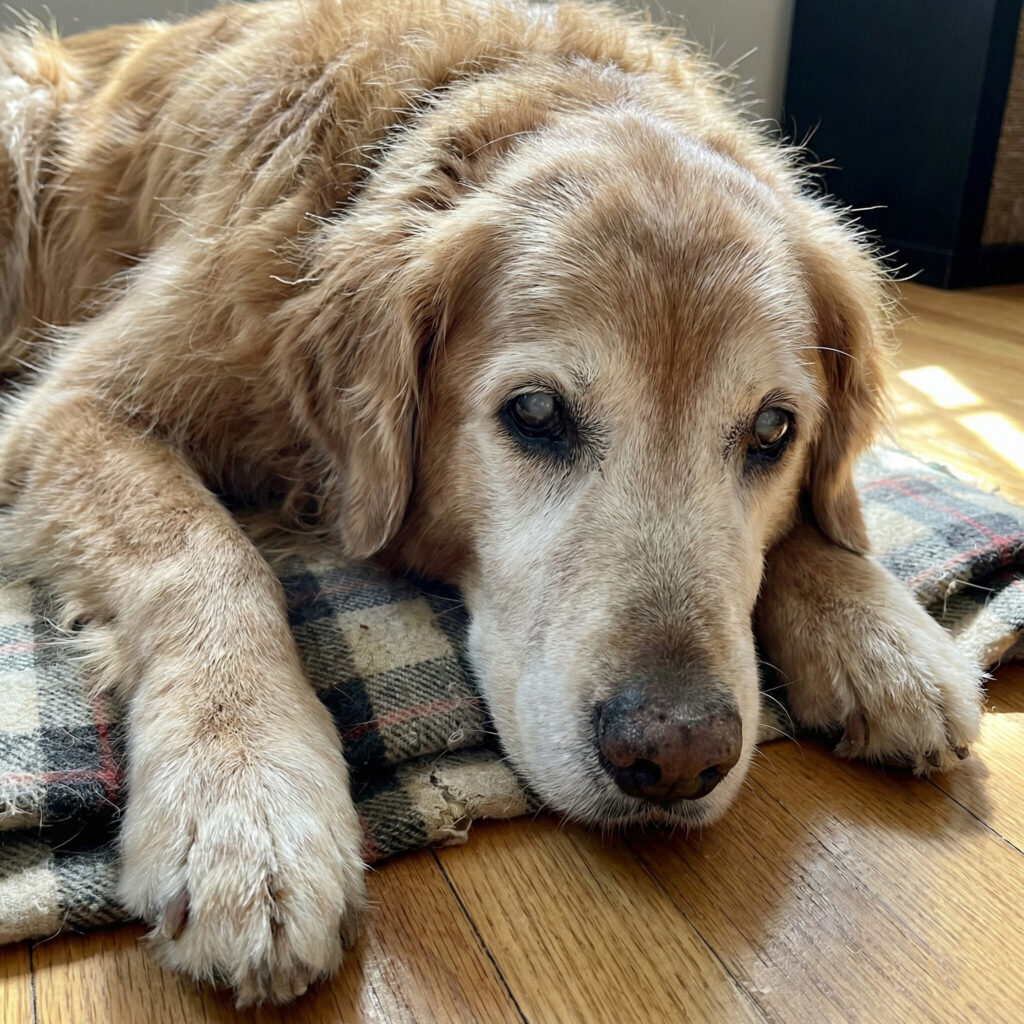
The most common signs that your dog is entering their senior years include physical changes like graying fur around the muzzle and eyes becoming cloudy. You will likely notice decreased energy levels, sleeping more often, and a reluctance to exercise. Mobility issues, such as stiffness when standing up or difficulty climbing stairs due to joint pain or arthritis, are frequent indicators. Behavioral changes may include increased anxiety, confusion, or irritability. Finally, health shifts such as significant weight changes, bad breath due to dental disease, hearing loss, and the onset of incontinence are strong signals that it is time for senior-focused veterinary care.
Summary Table: Key Senior Dog Indicators
| Category | Key Signs to Watch For | Actionable Step |
| Physical Appearance | Maintain a consistent routine; discuss cognitive dysfunction with your vet. | Monitor lumps for size changes; mention eye changes to your vet. |
| Mobility & Energy | Stiffness after resting, hesitation on stairs/jumping, sleeping more, tiring quickly on walks. | Introduce joint supplements; switch to shorter, gentler walks; consider ramps. |
| Behavior & Mind | Confusion, pacing at night, increased anxiety, staring blankly (signs of cognitive issues). | Bad breath (dental disease), accidents in the house (incontinence), changes in weight or appetite, and hearing loss. |
| Health & Body Function | Bad breath (dental disease), accidents in the house (incontinence), changes in weight or appetite, hearing loss. | Schedule professional dental cleaning; increase vet checkups to twice yearly to catch underlying issues early. |
Signs Your Dog Is Becoming a Senior
Watching your dog grow older is a bittersweet reality of pet ownership. The energetic puppy that once chewed your shoes eventually slows down into a calm, gray-muzzled companion.
Recognizing when your dog is transitioning into their senior years is crucial. It allows you to adjust their care routine, catch age-related diseases early, and ensure their final years are comfortable and happy.
There is no single age when a dog officially becomes a “senior.” It depends heavily on their size and breed. Generally, small dogs are considered senior around age 11 or 12. Medium-sized dogs reach this stage around age 10. Large and giant breeds age faster and may be considered senior as early as age 7 or 8.
Regardless of the exact number on their birthday cake, your dog’s body and behavior provide the clearest clues. Below is a detailed look at the physical, mental, and behavioral signs that indicate your dog is entering geriatric life.
Visible Physical Changes
The most obvious signs of aging are often on the outside. While these changes are usually gradual, you might suddenly notice how different your dog looks compared to photos from a few years ago.
Graying Fur
Just like humans, dogs go gray. This usually starts on the muzzle and around the eyes. Over time, the gray hairs may spread over the entire face and even onto the chest and paws.
While some dogs gray prematurely due to genetics or stress, consistent graying in a dog over age seven is a reliable sign of aging.
Changes in the Eyes
When you look into your older dog’s eyes, they may appear cloudy or hazy. A very common age-related change is called nuclear sclerosis. This is a hardening of the eye lens that creates a bluish-gray haze. It usually does not significantly affect vision.
However, cloudiness can also be a sign of cataracts, which are opaque spots on the lens that block vision and can lead to blindness. If you notice their eyes looking different, a veterinary exam is necessary to distinguish between normal aging and disease.
Dental Issues and Bad Breath
“Doggie breath” is often dismissed, but severely bad breath is a sign of periodontal disease. As dogs age, tartar builds up on their teeth, leading to inflamed gums (gingivitis) and tooth decay.
If your dog shies away from having their face touched, drops food while eating, or has terrible breath, they are likely in pain. Senior dogs often require professional dental cleanings under anesthesia to address years of buildup and extract painful, rotting teeth.
Lumps and Bumps
You will likely notice more bumps under or on your dog’s skin during petting sessions. The good news is that many of these are benign fatty tumors called lipomas. Other common growths include warts and sebaceous cysts.
However, as a dog ages, their risk of cancerous tumors also increases. You should never assume a new lump is safe. Every new growth should be checked by your veterinarian. They may perform a fine-needle aspirate to determine what the cells are.
Weight Fluctuations
Aging affects metabolism. Many senior dogs become less active but keep eating the same amount of food, leading to obesity. Excess weight puts severe strain on aging joints and organs like the heart.
Conversely, some senior dogs lose weight unexpectedly. This can be due to loss of muscle mass (sarcopenia), dental pain making eating difficult, or serious underlying issues like kidney disease, diabetes, or cancer. Any significant, unexplained weight change warrants a vet visit.
Read Also: How to Understand Mixed-Breed Dogs
Changes in Mobility and Energy Levels
The days of endless fetch and high-speed “zoomies” will eventually fade. These changes are often the first things owners notice.
Slowing Down
The most general sign is a decrease in stamina. Your dog might tire out halfway through their usual walking route. They might sleep much more during the day and be less enthusiastic about greeting you at the door. They still enjoy activity, but in shorter, gentler bursts.
Joint Stiffness and Arthritis
Osteoarthritis is extremely common in senior dogs. It is a progressive disease causing inflammation and pain in the joints. You might not hear your dog whine from pain; instead, you have to watch their movements. Signs of arthritis include:
- Stiffness upon rising: They struggle to get up after sleeping, especially in the morning or after a nap. Once they get moving, they seem to “warm up” and move better.
- Hesitation: They pause before jumping into the car or onto the couch. They may refuse to climb stairs completely or take them very slowly.
- Limping: They favor one leg during walks.
- Behavioral changes: A dog in pain may become grumpy if touched in sensitive areas like the hips or lower back.
Muscle Loss
You might notice your dog’s hind legs looking skinnier or weaker. Muscle atrophy, particularly in the hindquarters, is common as dogs age and use those muscles less due to joint pain or general weakness. This can make them feel unstable on slippery floors like wood or tile.
Behavioral and Cognitive Changes
The brain ages just like the rest of the body. Changes in behavior can be related to physical pain, or they can be signs of cognitive decline.
Canine Cognitive Dysfunction (CCD)
Often compared to Alzheimer’s disease in humans, CCD is a form of dementia that affects many senior dogs. It is heartbreaking for owners, but recognizing it is key to managing it. Symptoms include:
- Confusion and disorientation: Your dog might get “lost” in their own backyard or get stuck in corners or behind furniture.
- Pacing and restlessness: They may wander anxiously around the house, often in repetitive circles.
- Altered sleep-wake cycles: They may sleep all day but wake up pacing, panting, or vocalizing in the middle of the night.
- Withdrawal: They may seem less interested in interacting with the family or other pets, often staring blankly at the walls.
Increased Anxiety or Irritability
A once confident dog may become fearful of loud noises like thunderstorms or fireworks. They might develop separation anxiety when you leave the house.
Pain can also make a senior dog irritable. If your usually tolerant dog suddenly snaps when brushed or petted in a certain spot, it is likely a defense mechanism against pain, not a sudden behavioral flaw.
Read Also: Best Dog Breeds for First-Time Owners
Changes in Bodily Functions and Senses
As internal systems age, you will notice changes in how your dog’s body operates and how they perceive the world.
Hearing Loss
If you think your dog is ignoring your commands, they might actually be losing their hearing. You might notice they don’t react when you open a bag of treats from another room, or they sleep right through the doorbell ringing. They may also become easily startled if you touch them while they are sleeping because they didn’t hear you approach.
Incontinence
Finding urine spots where your dog was sleeping or discovering accidents in the house is common in senior years. This is rarely a behavioral issue; your dog is likely very embarrassed by it.
Incontinence can be caused by weakening bladder muscles (especially in spayed females), but it can also be a symptom of medical issues like urinary tract infections, kidney disease, diabetes, or neurological problems. Never punish a senior dog for accidents; instead, consult your vet.
Increased Thirst and Urination
If you notice you are refilling the water bowl much more frequently and your dog needs to go outside to urinate far more often, this is a major red flag.
Polydipsia (excessive thirst) and polyuria (excessive urination) are classic symptoms of several serious diseases, including diabetes, kidney failure, and Cushing’s disease.
What to Do When You See These Signs
Recognizing these signs is the first step. The next step is proactive management. Ignoring these signs as “just old age” can lead to unnecessary suffering for your pet.
The most important action is to increase the frequency of veterinary visits. Once a year is no longer enough. Senior dogs should see their vet every six months. Because dogs age faster than humans, a lot can change in their health over half a year. Blood work and urinalysis become essential tools to catch kidney, liver, and thyroid issues before your dog shows severe symptoms.
You will also need to adjust their environment and lifestyle. Switch them to a high-quality senior diet that is lower in calories but rich in nutrients that support joint and brain health.
Provide orthopedic beds to cushion aching joints. Use ramps to help them get into cars or onto furniture to prevent injury.
Seeing your dog age is difficult, but senior dogs have a wonderful, calm love to give. By recognizing the signs of aging and working closely with your veterinarian, you can ensure their golden years are filled with comfort and dignity.