
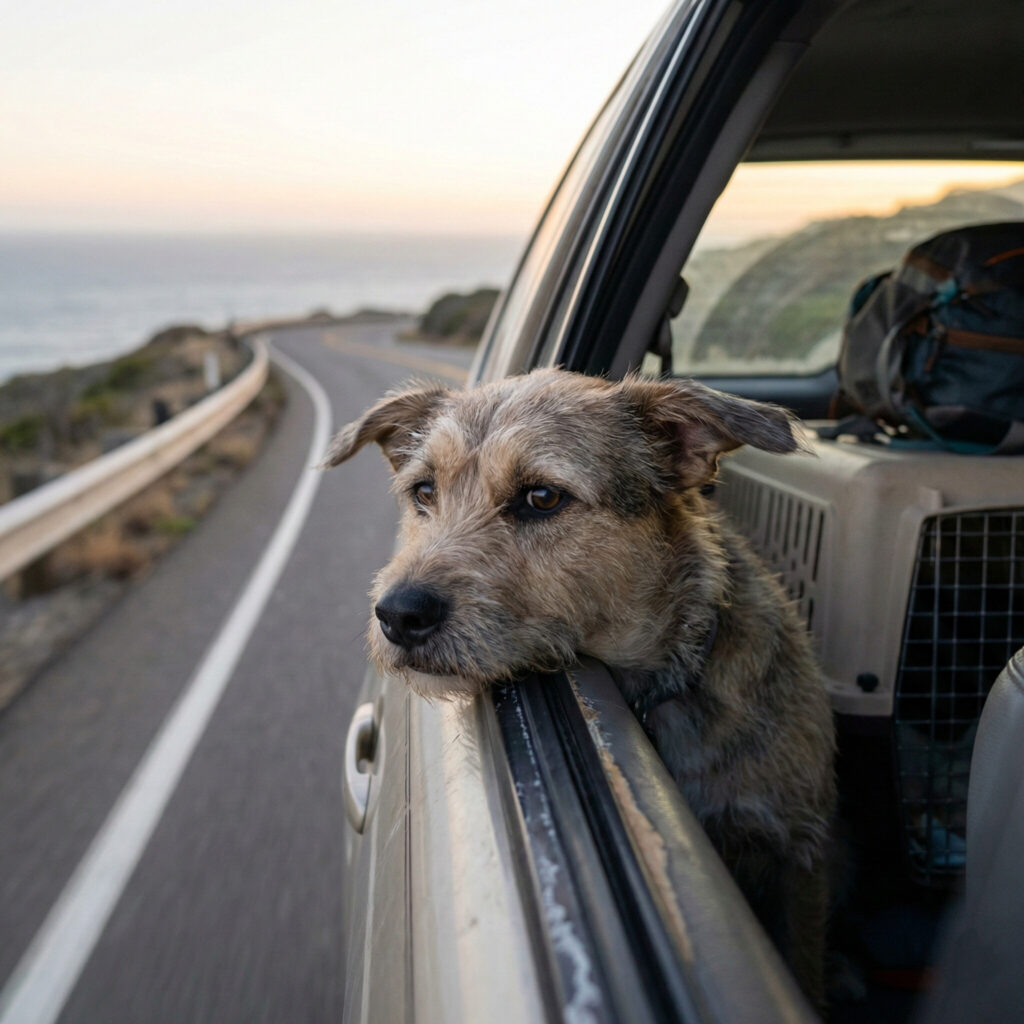
Travel significantly impacts dogs both mentally and physically because it disrupts their established routines and exposes them to unfamiliar environments. Mentally, travel often causes anxiety, stress, and fear due to sensory overload and the unpredictability of new surroundings.
Physically, dogs frequently experience motion sickness, digestive upset, fatigue, and dehydration. The severity of these effects depends on the dog’s age, temperament, past experiences, and the mode of transportation. Proper preparation and gradual acclimation are essential to mitigate these negative impacts.
Summary Table
| Impact Category | Key Effects & Symptoms | Primary Causes | Mitigation Strategies |
| Psychological | Desensitization training, calming pheromones, and maintaining familiar items (blankets/toys). | Disrupted routine, unfamiliar scents/sounds, separation from owners (air travel). | Motion (conflicting sensory signals), stress hormones affecting the gut, and lack of water access. |
| Physical | Nausea, vomiting, drooling, diarrhea, constipation, fatigue, dehydration. | Anti-nausea medication (vet-prescribed), frequent water breaks, fasting before travel. | Sensory overload, confusion, heat stress, and exposure to new pathogens. |
| Environmental | Loud noises (planes/traffic), temperature changes, and new locations. | Climate control, updated vaccinations, and gradual exposure to new stimuli. | Anti-nausea medication (vet-prescribed), frequent water breaks, and fasting before travel. |
The Reality of Traveling with Dogs
Many dog owners view taking their canine companions on vacation as a treat. They imagine hiking new trails together or playing on a new beach. While the destination can be enjoyable, the actual process of getting there, the travel itself, is often a very different experience for a dog.
Humans understand the concept of a “vacation” and temporary discomfort for a future reward. Dogs do not. For a dog, travel is an abrupt shift from safety and predictability to chaos and uncertainty.
Understanding how deeply travel affects a dog’s mind and body is crucial for their well-being. Ignoring these impacts can turn a trip into a traumatic event that creates lasting behavioral issues.
This article explores the detailed physiological and psychological effects of travel on dogs and provides insights into why they react the way they do.
Read Also: How to Create a Calm Environment for Anxious Dogs
The Psychological Impact: Stress and Routine
Dogs are creatures of habit. Their confidence and sense of security are rooted in a predictable daily routine. They know when they eat, when they go outside, where they sleep, and what their home smells like. Travel shatters this routine instantly.
The Disruption of Security
When you remove a dog from their familiar environment, you remove their safety net. A house, a neighborhood, or even a specific room smells “right” to a dog. It has familiar markings and sounds. A car, an airport, a hotel room, or a campsite smells alien. It may carry the scents of strangers or other animals, which can be highly unsettling.
This disruption triggers the fight-or-flight response. The dog’s body releases stress hormones, primarily cortisol and adrenaline. Because they cannot fight the situation or flee from the car or plane, they exist in a state of heightened anxiety.
Sensory Overload
Travel is loud and chaotic. The human brain is good at filtering out background noise, but dogs have much more sensitive hearing. The roar of jet engines, the constant hum of highway tires, the honking of horns, and bustling crowds are overwhelming.
Furthermore, their sense of smell is their primary way of interpreting the world. New environments bombard them with thousands of new olfactory data points that they must process rapidly to determine if they are safe. This constant state of high alert is mentally exhausting.
Signs of psychological stress during travel include:
- Excessive panting even when not hot.
- Lip licking and yawning (appeasement signals showing discomfort).
- Trembling or shaking.
- Whining, barking, or vocalizing.
- Pacing or inability to settle down.
- Attempts to hide under seats or escape carriers.
The Physical Impact: The Body Reacts
The mental stress of travel manifests physically, but travel also causes direct physical ailments independent of anxiety. The most common issues relate to the inner ear and the digestive system.
Motion Sickness
Motion sickness is incredibly common in dogs, especially puppies. It occurs due to a conflict between the senses. The dog’s inner ear (vestibular system), which governs balance, detects motion. However, if the dog is sitting low in the car and cannot see out the window, their eyes tell their brain they are stationary.
This disconnect between what the inner ear feels and what the eyes see tricks the brain into thinking the body has been poisoned, triggering the vomiting center in the brain as a defense mechanism.
Symptoms of motion sickness include:
- Profuse drooling (hypersalivation).
- Lethargy and inactivity.
- Retching and vomiting.
- Uneasiness just before getting into a vehicle.
Digestive Upset
Stress has a direct pathway to the gut. The release of stress hormones can slow down digestion or speed it up rapidly. This is why many dogs experience “travel diarrhea” or constipation during or after a long trip.
Furthermore, changes in the water source can upset a dog’s stomach. Water in different cities has different mineral contents that a sensitive dog’s gut may react to. Many owners find their dogs refuse to eat or drink during travel due to nausea or anxiety, leading to dehydration and low energy.
Fatigue and Physical Exhaustion
Even if a dog sits in a car for eight hours, they will likely arrive exhausted. This is because they have not truly rested.
During travel, a dog is constantly bracing its muscles against turns and stops to maintain balance.
Mentally, they have been on high alert the entire time. This “passive fatigue” means they need significant recovery time upon arrival before they are ready for vacation activities.
Read Also: Indoor Enrichment Ideas for Dogs
Factors Influencing the Travel Experience
Not all dogs react to travel the same way. Several individual factors dictate the severity of the impact.
Age of the Dog
- Puppies: Puppies are more prone to motion sickness because their ear structures responsible for balance are not fully developed. However, they are also more impressionable. Positive travel experiences at a young age are crucial for creating a good traveler later in life.
- Adult Dogs: Adults with established routines may struggle more with the psychological disruption if they were not socialized to travel when young.
- Senior Dogs: Older dogs often suffer from arthritis or joint pain. Being confined in a crate or enduring the vibration of a car ride can cause significant physical discomfort. They also cope less effectively with stress and temperature changes.
Temperament and Personality
A confident, easygoing dog that rarely gets spooked at home will likely handle travel better than a shy, anxious, or reactive dog. Dogs with general separation anxiety often have the hardest time with travel, especially if crated away from their owners during flights.
Past Experiences
Dogs have excellent associative memories. If their first few car rides were only to the vet for shots, they will associate the car with pain or fear. If a dog were ever in a car accident, even a minor fender bender, travel can become a trigger for severe trauma. Conversely, dogs whose car rides always lead to the park will view travel positively.
The Mode of Travel Matters: Car vs. Plane
The method of transportation plays a massive role in how travel affects a dog.
Car Travel (Road Trips)
Generally, car travel is the least stressful option for dogs because the owner has control. You are present with the dog, which provides immense comfort. You control the temperature, the music volume, and most importantly, the frequency of stops.
However, car travel still presents challenges regarding motion sickness and confinement. The biggest risk here is often heatstroke if an owner leaves a dog unattended at a rest stop, even for a few minutes.
Air Travel (Flying)
Flying is arguably the most stressful and dangerous form of travel for a dog. It should only be undertaken when absolutely necessary.
- In-Cabin: Small dogs that fit under the seat have the benefit of being near their owner. However, they are confined in a very small carrier for hours in a loud, pressurized cabin surrounded by strangers’ feet.
- Cargo Hold: This is highly traumatic for most dogs. They are separated from their owners, handled by strangers, and placed in a loud, dark cargo hold where temperature fluctuations and loud noises occur. They experience changes in air pressure that hurt their ears, just like humans, but they don’t know how to pop them. The sensory deprivation, combined with sudden loud noise,s creates immense fear.
Read Also: How Much Daily Activity Does a Dog Need?
Mitigating the Negative Effects
While travel is inherently stressful, owners can take significant steps to minimize the negative impacts through preparation and management.
Preparation and Training
Desensitization is key. Months before a big trip, you must acclimate the dog to the travel environment.
- Make the carrier or crate a “happy place” at home by feeding them meals inside it.
- Take short, positive car trips that end in rewards (like a walk in the park), gradually increasing the duration.
- Teach the dog to settle on a specific mat or blanket, and bring that item with you to provide a sense of familiar territory.
Veterinary Assistance
Before a long trip, a vet visit is essential.
- Health Check: Ensure the dog is healthy enough for travel, especially seniors.
- Motion Sickness Meds: Vets can prescribe highly effective anti-nausea medication (like Cerenia) that doesn’t sedate the dog.
- Anxiety Management: For severely anxious dogs, vets may prescribe situational anxiety medication. Never sedate a dog for air travel without explicit vet instructions, as sedatives can interfere with breathing regulation at high altitudes.
Creating a Safe Environment
During the trip, try to replicate home comforts.
- Bring their regular food and water from home if possible to avoid digestive upset.
- Keep the vehicle cool and well-ventilated.
- Provide frequent opportunities to exit the vehicle, stretch their legs, and sniff around. Sniffing lowers a dog’s heart rate and helps them decompress.
Conclusion
Travel is a human concept that is often forced upon dogs. While many dogs can learn to tolerate or even enjoy travel with proper training and positive associations, it is rarely their natural preference.
Understanding that travel imposes significant physical and psychological stress on a dog is the first step toward responsible pet ownership.
By recognizing the signs of anxiety and motion sickness, and by preparing weeks or months in advance, owners can turn a potentially traumatic experience into a manageable one, ensuring their companion arrives safe and healthy.