
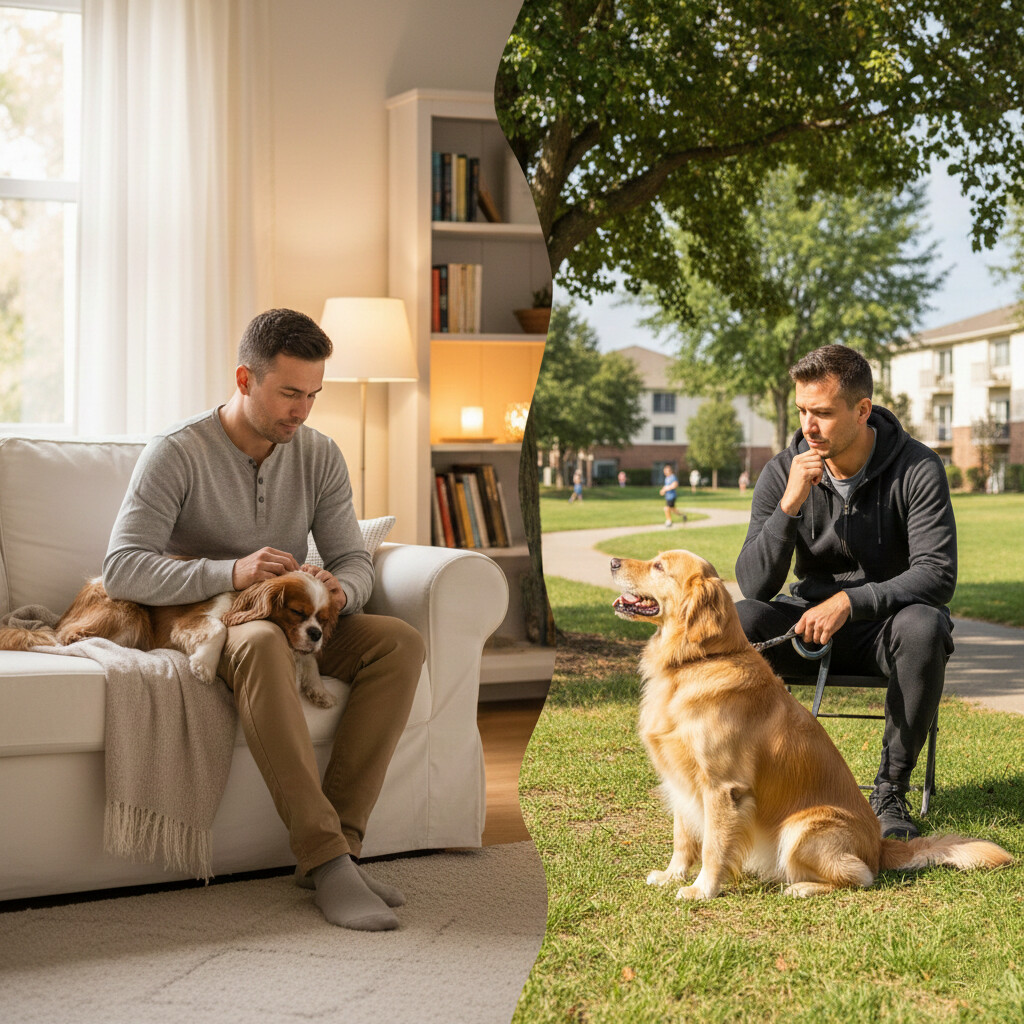
To choose the right dog for your lifestyle, you must evaluate four key areas: your activity level (active vs. sedentary), your living space (apartment vs. house with a yard), your time availability (for training, grooming, and exercise), and your budget. Match these factors with a breed’s specific temperament, energy needs, and size. Researching breed characteristics and considering the adoption of adult dogs for known temperaments are crucial steps to ensure a lifelong match.
Summary Table: Right Dog for Your Lifestyle
| Factor | Key Considerations | Example Breeds to Consider |
| Activity Level | Do you hike daily or prefer short walks? | High: Border Collie, Vizsla Low: Bulldog, Basset Hound |
| Living Space | Apartment, condo, or house with a fenced yard? | Small Space: French Bulldog, Pug Large Space: Golden Retriever, German Shepherd |
| Time Commitment | Can you handle 2+ hours of care/training daily? | High Needs: Husky, Australian Shepherd Lower Needs: Greyhound, Whippet |
| Budget | Can you afford premium food, grooming, and vet bills? | Expensive: Great Dane, English Bulldog Moderate: Beagle, Mixed Breed (Mutt) |
| Household | Do you have small children, seniors, or other pets? | Family Friendly: Labrador, Beagle Solo Owner: Akita, Chow Chow |
Why Choosing the Right Dog Matters
Bringing a dog into your home is one of the most rewarding decisions you can make, but it is also a significant commitment that lasts 10 to 15 years. Unfortunately, millions of dogs end up in shelters every year, often because of a “lifestyle mismatch.” A high-energy dog in a small apartment can become destructive, while a shy, sensitive dog might struggle in a loud, bustling family home.
Choosing the right dog isn’t just about picking the cutest puppy. It is about honest self-reflection. When your lifestyle matches your dog’s natural instincts and needs, you get a best friend. When they don’t match, you get a source of stress.
This guide will walk you through every factor you need to consider to find your perfect canine companion.
Read Also: Working Dogs vs Companion Dogs: What’s the Difference?
Evaluate Your Activity Level
The most common mistake new owners make is getting a dog for the lifestyle they want, not the lifestyle they actually have.
If you are a couch potato, getting a running partner won’t make you a runner; it will just make you a frustrated owner with a bored, destructive dog.
The High-Energy Owner
If you run five miles every morning, hike on weekends, and want a dog to participate in agility sports, you need a working breed. These dogs have stamina and intelligence that require constant engagement.
- Breeds to watch: Border Collies, Siberian Huskies, Vizslas, Weimaraners, Belgian Malinois.
- Warning: If these dogs do not get 1-2 hours of vigorous exercise daily, they will likely chew your furniture or bark incessantly.
The Moderate Activity Owner
If you enjoy long walks (30 – 60 minutes) and the occasional weekend outing but also like relaxing in the evenings, you fall into the moderate category. This is the “sweet spot” for many popular breeds.
- Breeds to watch: Golden Retrievers, Labradors, Boxers, Poodles.
- Note: These dogs still need daily exercise, but they have an “off switch” inside the house.
The Low-Energy Owner
If your ideal weekend involves a book and a blanket, or if you have limited mobility, you need a companion breed. These dogs are content with short potty walks and indoor play.
- Breeds to watch: English Bulldogs, Pugs, Shih Tzus, Cavalier King Charles Spaniels, Greyhounds (surprisingly lazy indoors!).
Analyze Your Living Space
Your home environment dictates the size and temperament of the dog you can comfortably house. However, size isn’t everything; energy level matters more.
Apartment and Condo Living
You do not necessarily need a tiny dog for a tiny apartment. A Great Dane is huge but often acts like a rug, whereas a Jack Russell Terrier is small but needs a massive amount of room to run.
- Noise factor: Thin walls mean you should avoid vocal breeds like Beagles or Huskies.
- Stairs: If you live on a 4th-floor walk-up, remember that you will have to carry your puppy down for potty breaks or carry a senior dog who can no longer climb stairs.
- Best bets: French Bulldogs, Bichon Frises, Greyhounds.
Suburban House with a Yard
A fenced yard is a luxury for dog owners, making potty training and fetch much easier. However, a yard is not a babysitter. Dogs still need social interaction and walks outside their territory to remain mentally healthy.
- Security: Ensure your fence is high enough. Some breeds, like Huskies or Boxers, can jump 6-foot fences easily.
- Gardening: If you prize your flower beds, avoid digging breeds like Terriers or Dachshunds.
Read Also: Best Dog Breeds for Apartment Living
Assess Your Time Availability
Dogs are not like cats; they require direct interaction, care, and supervision. Be realistic about how many hours a day you can dedicate to your pet.
Training Time
- Puppies: A puppy is a full-time job. They need potty breaks every 2 hours, constant supervision, and intense socialization. If you work 8 hours a day away from home, a puppy is likely not a good fit unless you hire help.
- Adult Dogs: Usually require less immediate training but still need reinforcement and bonding time.
Grooming Requirements
- High Maintenance: Poodles, Doodles, Schnauzers, and long-haired breeds need daily brushing and professional grooming every 6-8 weeks. This costs money and time.
- Medium Maintenance: Golden Retrievers, German Shepherds, and Huskies “blow coat” (shed heavily) twice a year and need weekly brushing to control hair.
- Low Maintenance: Boxers, Beagles, Dobermans, and Pit Bulls have “wash and wear” coats that require very little grooming.
Alone Time
Does your job keep you away from home for 10 hours a day?
- Independent breeds: Chows or Shar-Peis are more aloof and may handle solitude better.
- Velcro dogs: Vizslas, Dobermans, and Frenchies are prone to separation anxiety and suffer if left alone for long periods.
Consider Your Household Members
Your dog needs to fit in with everyone who lives in your house, including children, elderly relatives, and other pets.
Families with Young Children
Toddlers can be clumsy and loud. You need a dog that is sturdy (so they don’t get hurt by the child) and patient (so they don’t hurt the child).
- Top picks: Labradors, Golden Retrievers, Newfoundlands (gentle giants), Beagles.
- Avoid: Toy breeds (too fragile) or herding breeds like Heelers (may nip at children’s heels to “herd” them).
Seniors
For older adults, a dog that pulls on the leash or jumps up can be a fall hazard.
- Top picks: Miniature Poodles, Cocker Spaniels, Corgis, or calm adult shelter dogs.
Homes with Other Pets
- Prey Drive: If you have cats, rabbits, or hamsters, avoid breeds with high prey drive. Terriers were bred to kill vermin; Greyhounds were bred to chase small animals.
- Pack Dynamics: If you already have a dominant dog, you may need a more submissive opposite-sex companion to keep the peace.
Calculate the Financial Cost
The purchase price or adoption fee is just the tip of the iceberg. The annual cost of owning a dog ranges from $1,500 to over $4,000, depending on the breed and health issues.
Recurring Costs
- Food: A 150lb Mastiff eats significantly more than a 10lb Chihuahua.
- Prevention: Heartworm and flea prevention are monthly necessities.
- Grooming: Professional grooming can cost $80-$150 per visit.
Health Risks by Breed
- Brachycephalic (Flat-faced) breeds: Bulldogs and Pugs often require surgeries for breathing issues.
- Giant breeds: Great Danes and Saint Bernards are prone to hip dysplasia and heart issues, and their medications cost more due to dosage by weight.
- Purebred vs. Mixed: Mixed breeds (mutts) often have a deeper gene pool and may suffer from fewer genetic-specific diseases, potentially lowering vet bills.
Read Also: When Can Puppies Start Going Outside?
Puppy vs. Adult vs. Senior
Deciding on the age of the dog is just as important as the breed.
The Puppy (8 weeks to 1 year)
- Pros: You can mold their personality; maximum bonding time; incredibly cute.
- Cons: destructive chewing, potty training accidents, sleepless nights, and requires a massive time commitment.
The Adult (1 to 7 years)
- Pros: Usually potty trained; personality is already developed (what you see is what you get); energy levels are more manageable.
- Cons: May have some baggage or bad habits from previous owners that need retraining.
The Senior (7+ years)
- Pros: calm and grateful; usually fully trained; require less exercise; perfect for low-energy owners.
- Cons: shorter time together; potential for higher medical bills related to age (arthritis, dental work).
Allergies and Shedding
If you are a “neat freak” or have allergies, hair and dander are major factors.
The “Hypoallergenic” Myth
No dog is 100% hypoallergenic. However, dogs with hair (like Poodles, Schnauzers, Maltese) rather than fur produce less dander and do not shed all over the house. The trade-off is that their hair keeps growing, requiring frequent haircuts.
The Shedders
Double-coated breeds (Huskies, German Shepherds, Corgis, Golden Retrievers) shed year-round and “blow” their coat seasonally. If you cannot tolerate dog hair on your black pants or sofa, these breeds are not for you.
Where to Find Your Dog
Once you have narrowed down your criteria, the search begins. You generally have two ethical paths: a responsible breeder or a rescue organization.
Responsible Breeders
If you need a specific temperament for work, hunting, or allergy reasons, a breeder is the way to go.
- Green Flags: They perform genetic health testing on parents; they let you visit the mother; they ask you questions to ensure you are a good fit; they take the dog back if it doesn’t work out.
- Red Flags: They sell puppies online without meeting you; they have multiple litters available at once; they cannot show you health clearances.
Shelters and Rescues
Adopting saves a life. Shelters are full of purebreds and wonderful mixed breeds.
- Breed-Specific Rescues: If you want a Golden Retriever but want to adopt, look for a “Golden Retriever Rescue” in your state.
- Foster-Based Rescues: These organizations keep dogs in foster homes rather than cages. This is excellent because the foster parent can tell you exactly how the dog behaves in a home environment (e.g., “Is he house trained?”, “Does he like cats?”).
Read Also: How Much Sleep Do Puppies Need?
Frequently Asked Questions
What is the best dog for a first-time owner?
Generally, breeds that are eager to please and food-motivated are best for beginners. Labradors, Golden Retrievers, and Papillons are great choices. Avoid stubborn or highly protective breeds like Akitas or Cattle Dogs for your first pet.
Can I have a big dog in an apartment?
Yes, if the dog has low energy. Great Danes and Greyhounds are excellent apartment dogs because they spend most of the day sleeping. High-energy medium dogs, like Border Collies, usually struggle in apartments more than lazy giants do.
How do I know if a dog has the right temperament?
If adopting, ask the shelter for a “meet and greet” and see if the dog makes eye contact, approaches you willingly, and recovers quickly from loud noises. If buying, ask the breeder about the parents’ temperaments, as behavior is often genetic.
Summary Checklist: Am I Ready?
Before you make the final call, run through this checklist:
- I have researched the breed’s energy level, and it matches my current activity level (not my aspirational one).
- I have calculated the monthly budget including premium food, insurance, and preventatives.
- I have a plan for the dog during the workday, whether it’s a dog walker or a lunch break visit.
- All members of the house are on board and willing to follow the same training rules.
- I am ready for the 15-year commitment, through moving houses, job changes, or relationship changes.
Choosing the right dog is a process of elimination. By being honest about your limitations and needs, you ensure that the dog you bring home will be a source of joy rather than a burden.
A mismatched dog is stressful for everyone; a well-matched dog is a life-changing companion.