
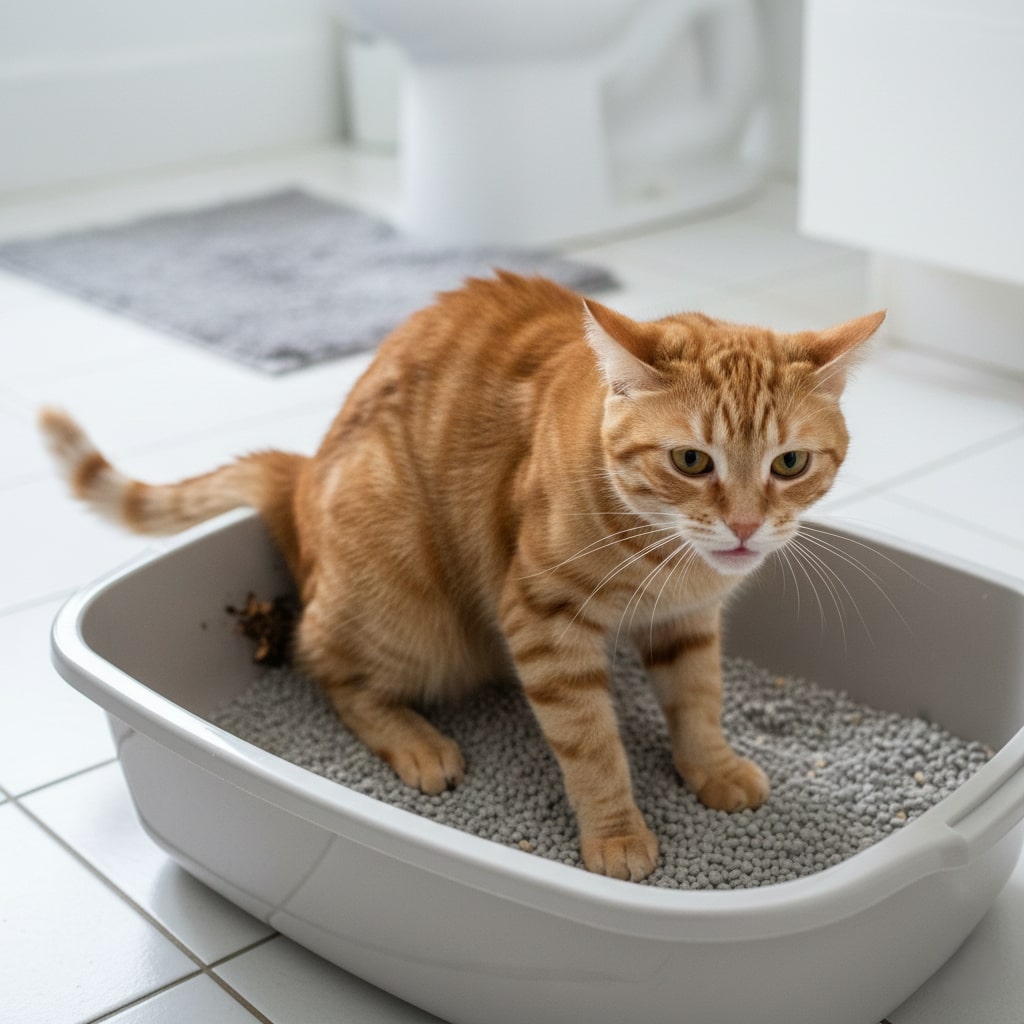
As a cat owner, one of the most important things you can do is monitor your cat’s litter box habits. While it isn’t the most glamorous part of pet ownership, knowing what is “normal” can help you spot health problems before they become serious.
The Short Answer: How Long is Too Long?
Most healthy adult cats should poop at least once every 24 to 36 hours. If your cat has not pooped in 48 to 72 hours (2 to 3 days), it is time to call your veterinarian. While a 24-hour gap is usually fine, anything beyond 48 hours is a sign of constipation and can quickly become a medical emergency.
What is Normal for a Cat?
Every cat is different, but here are the general guidelines for frequency:
- Adult Cats: Once or twice a day.
- Kittens: Several times a day (due to their high metabolism).
- Senior Cats: May go slightly less often, but should still have a daily movement.
Healthy poop should be:
- Deep brown in color.
- Firm but not rock-hard (moist enough that litter sticks to it).
- Log-shaped.
Signs Your Cat is Constipated
Sometimes a cat is trying to go, but nothing is happening. Watch for these red flags:
- Straining: Spending a long time in the litter box with no results.
- Crying or Meowing: Vocalizing while trying to go, which indicates pain.
- Small, Hard Pellets: Passing very dry, pebble-like stool.
- Frequent Trips: Going in and out of the box repeatedly.
- Avoiding the Box: Associating the litter box with pain and pooping on the floor instead.
Critical Warning: If your cat is straining but also not peeing, this is a life-threatening emergency. Male cats, in particular, can suffer from urinary blockages that can be fatal within hours. If you aren’t sure which one it is, go to the vet immediately.
Common Causes of Constipation
Why do cats get “backed up”? It usually comes down to a few common factors:
1. Dehydration
Cats have a low thirst drive. If they eat mostly dry food and don’t drink enough water, their body will pull moisture from their waste to stay hydrated. This leaves the poop dry, hard, and stuck.
2. Low Fiber Diet
Just like humans, cats need a certain amount of fiber to keep things moving. Many commercial cat foods are highly processed and lack the bulk needed for healthy digestion.
3. Hairballs
When a cat grooms themselves, they swallow fur. Usually, this passes through, but a large amount of fur can create a “plug” in the intestines.
4. Stress and Environment
Cats are sensitive. A dirty litter box, a new pet in the house, or even moving the furniture can cause a cat to “hold it,” leading to constipation.
When to See a Veterinarian
If your cat hits the 48-hour mark without a bowel movement, call your vet. You should seek emergency care if the lack of pooping is accompanied by:
- Vomiting.
- Refusal to eat or drink.
- A bloated or painful belly.
- Extreme lethargy (hiding and not moving).
Simple Ways to Help at Home
If your cat is only slightly irregular, you can try these simple adjustments to get things moving:
- Switch to Wet Food: Canned food is about 75-80% water, which helps hydrate the colon.
- Add Pureed Pumpkin: Add 1 teaspoon of plain, canned pumpkin (not pie filling!) to their food. It is high in fiber and moisture.
- Encourage Drinking: Use a pet water fountain. Cats prefer running water over still water in a bowl.
- Regular Grooming: Brushing your cat daily reduces the amount of fur they swallow.
- Increase Playtime: Physical activity helps stimulate the muscles in the digestive tract.