
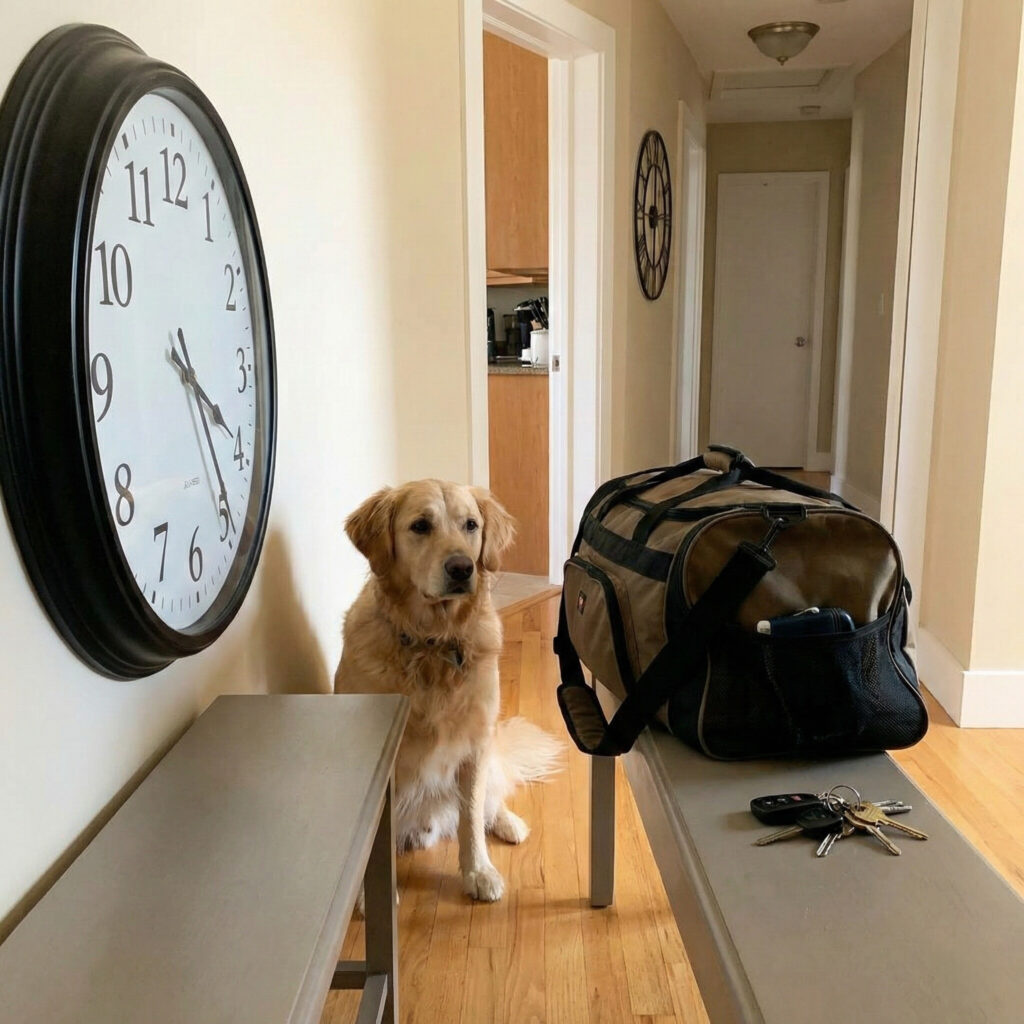
Dogs adjust to new schedules best when changes are introduced gradually rather than all at once. Because dogs rely heavily on predictability for a sense of security, abrupt changes can cause anxiety. To help a dog adapt, owners should shift feeding times, walks, and bedtime routines by small increments (like 15 minutes) over several days or weeks. Maintaining certain “anchor” routines that stay the same, providing plenty of exercise before periods of confinement, and using positive reinforcement are essential strategies. The adjustment period requires patience, as it can take anywhere from a few weeks to a few months for a dog to fully settle into a new rhythm.
Summary Table: Dog Schedule Adjustments
| Strategy | Description | Why It Matters |
| Gradual Shifting | Moving times for food and walks by 10-15 minutes daily. | Helps their biological clock adapt without shock. |
| Routine Anchors | Keeping specific events (like the evening snuggle) unchanged. | Provides a sense of safety amidst other changes. |
| Pre-emptive Exercise | Engaging in vigorous activity before you leave for work. | Use puzzle toys or training during the new routine. |
| Mental Stimulation | Using puzzle toys or training during the new routine. | Tires the brain, which is just as important as physical exercise. |
| No-Fuss Departures | Ignoring the dog for 10 minutes before leaving and after returning. | Reduces separation anxiety associated with the new schedule. |
| Patience Period | Expecting accidents or behavior regression for the first few weeks. | Prevents owner frustration and negative associations for the dog. |
Why Dogs Rely on Routine
To understand how to help your dog adjust, you first need to understand why the change is difficult for them. Dogs are creatures of habit. They do not use clocks; they use their internal biological rhythms and environmental cues to know what happens next.
This internal clock is often called a circadian rhythm. It tells their body when to wake up, when to eat, when they need to poop, and when to sleep. When you have a steady routine, your dog knows exactly what to expect. This predictability gives them a feeling of safety and security.
When that routine suddenly shatters due to a new job, a move, a new baby, or the school year starting, their world becomes unpredictable. They no longer know when their needs will be met. This lack of predictability is a primary source of stress and anxiety for canines. Adjusting to a new schedule isn’t just about learning new times; it is about re-establishing a feeling of safety.
Read Also: How to Keep Dogs Safe During Holidays
Signs Your Dog Is Struggling with Change
When a schedule changes abruptly, your dog may not know how to communicate their stress. You need to watch for changes in their behavior. If you see these signs during a transition, it means you need to slow down the process and offer more support.
- House Soiling: A fully potty-trained dog may start having accidents indoors. This is often due to confusion about bathroom times or anxiety.
- Destructive Behavior: Chewing furniture, shoes, or walls can be a sign of pent-up energy or nervous tension brought on by the new routine.
- Increased Vocalization: Barking, whining, or howling more than usual, especially when you leave, signals distress.
- Clinginess: Your dog may shadow you constantly when you are home, terrified that you might leave again or alter their world further.
- Changes in Appetite: Stress can make some dogs stop eating, while others may eat too fast.
- Depression or Lethargy: Some dogs shut down when overwhelmed, becoming withdrawn and less playful.
The Golden Rule: Gradual Transition
The single most important factor in successfully adjusting your dog to a new schedule is time. Never shock their system with an overnight change if you can avoid it.
If you know a change is coming, start preparing weeks in advance. The goal is to shift their internal clock slowly so they barely notice the difference.
How to Shift Slowly:
- Identify Key Times: List the current times for waking up, meals, walks, and bedtime.
- The 15-Minute Rule: Shift these key events by only 10 to 15 minutes per day toward the new desired time.
- Example Scenario: If your dog currently eats breakfast at 7:00 AM, but your new job requires you to leave earlier, you need them to eat at 6:00 AM.
- Day 1-2: Feed at 6:45 AM.
- Day 3-4: Feed at 6:30 AM.
- Day 5-6: Feed at 6:15 AM.
- Day 7: Feed at 6:00 AM.
- Apply to Everything: Do this for bedtime and walks as well. If you will be arriving home later, gradually push their evening walk back by 15-minute increments.
Establishing Routine “Anchors”
When everything else is changing, your dog needs things that stay exactly the same. These are called routine anchors. They provide comfort and stability during the transition.
An anchor isn’t necessarily tied to a specific time on the clock, but rather a specific sequence of events.
Examples of Anchors:
- The Morning Sequence: Even if the time you wake up changes, keep the order of events the same. Wake up, let the dog out, feed the dog, get coffee. The sequence is familiar.
- Bedtime Rituals: If you always watch TV for an hour while your dog chews a bone before bed, keep doing that. Don’t change the activity just because the time has shifted.
- Location Anchors: Try not to move their bed, crate, or food bowls during a schedule change. Familiar locations provide security.
Read Also: What Dogs Need When You’re Away All Day
The Role of Exercise and Mental Stimulation
A tired dog is an adaptable dog. Pent-up energy transforms into anxiety very quickly when a routine is disrupted.
If your new schedule involves leaving the dog alone for longer periods, you must increase their exercise before you leave. A quick walk around the block is rarely enough for most dogs.
- Intense Morning Activity: If you are going back to an office, you need to wake up early enough to tire your dog out. A game of fetch, a jog, or a long sniff-walk is essential. If their body is tired, they are more likely to sleep while you are gone rather than pace and worry.
- Mental Work: Brain games can tire a dog out faster than physical exercise. Use puzzle feeders for their breakfast. Do a quick 10-minute training session practicing sit, stay, or new tricks before you leave.
- Enrichment While Gone: Don’t leave them in a silent house with nothing to do. Leave a safe, stuffed Kong toy or a long-lasting chew to occupy them for the first hour after you leave. This creates a positive association with your departure.
Handling Specific Major Life Changes
Different life events require different approaches to schedule adjustment.
Returning to Work at an Office:
This is often the hardest transition because it involves separation.
- Practice Departures: Weeks before you start the job, practice getting ready like you are going to work. Pick up your keys, put on your shoes, and then just sit down and watch TV. This desensitizes the dog to your departure cues.
- Short Absences: Start leaving the house for small durations. Leave for 10 minutes, then 30, then an hour. Build up to the full workday length slowly.
- Low-Key Entrances and Exits: Do not make a big deal out of leaving or coming home. If you throw a party every time you return, you validate their anxiety that your absence was a bad thing. Ignore your dog for a few minutes upon returning until they are calm.
Bringing Home a New Baby:
The schedule change here is often accompanied by noise and a lack of attention.
- Shift Focus Early: Before the baby arrives, gradually reduce the amount of constant attention the dog gets. You want them to get used to not being the center of the universe before the infant arrives.
- New Sounds: Play recordings of baby sounds at low volume while giving the dog treats to create positive associations with the new noises that will become part of their routine.
Read Also: How Travel Affects Dogs
Moving to a New House:
A new schedule plus a new environment is a double whammy of stress.
- Set Up the Dog Zone First: When you move, set up the dog’s bed, crate, and toys immediately. Give them a safe space that smells familiar amidst the boxes.
- Keep Old Routines: Try incredibly hard to keep walk times and meal times exactly the same as they were in the old house for the first few weeks.
Patience and Managing Regression
You must have realistic expectations. Even if you do everything perfectly, your dog will likely struggle during the first few weeks of a new schedule.
Expect regression. If your dog starts having accidents inside, do not punish them. Punishment will only increase their anxiety and make the problem worse. Simply clean it up and take them outside more frequently until they relearn the new rhythm.
If your dog shows destructive behavior, go back a step. Increase their exercise, decrease the time they are left alone, or consider using a crate or puppy-proof room for their safety when you cannot supervise them.
Adjusting to a new schedule is a process, not an event. It takes the average dog anywhere from three weeks to three months to fully feel secure in a new routine. By being proactive, patient, and consistent, you can help your companion navigate these changes with minimal stress.