
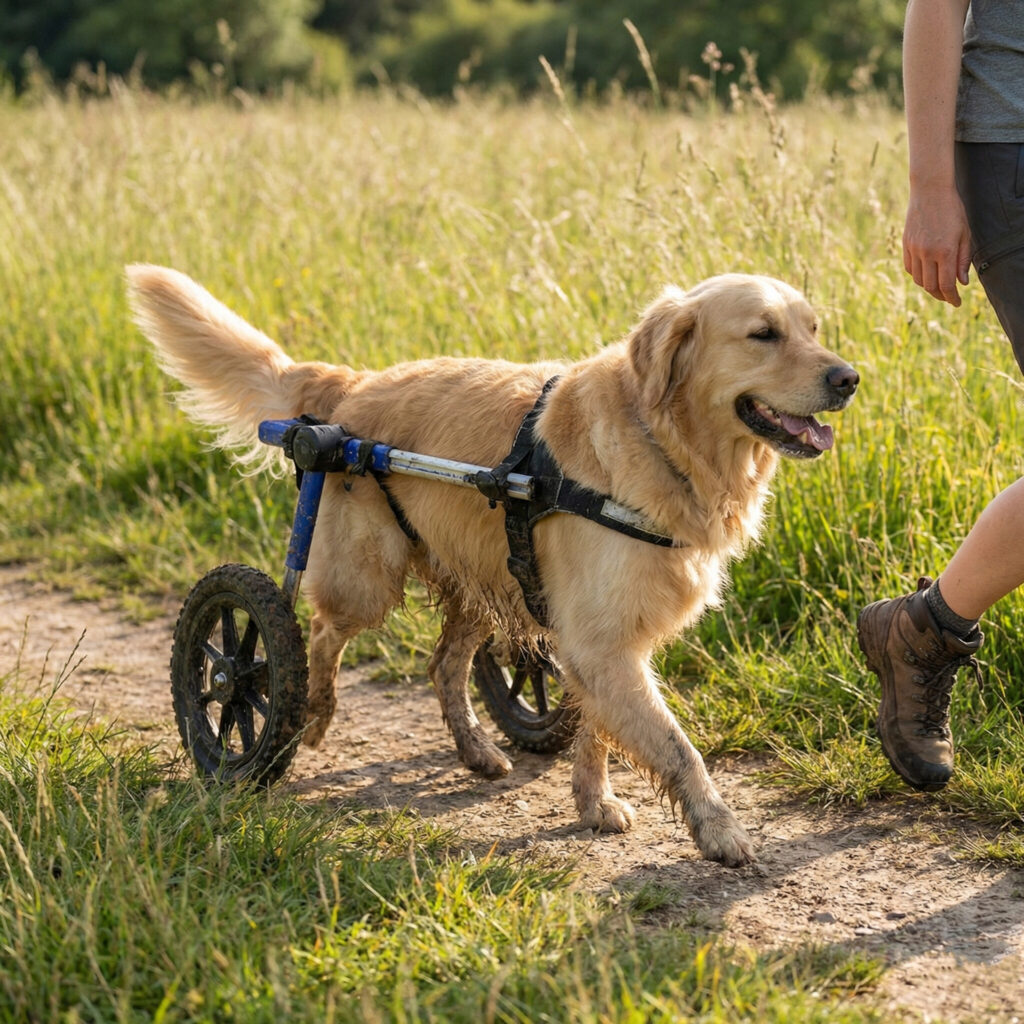
Dogs adapt to physical limitations through remarkable resilience, using compensatory behaviors, learned coping mechanisms, and their strong bond with human caregivers. Their ability to adjust often involves shifting weight, altering gait, developing new ways to play, and relying more on their other senses.
Summary Table
| Feature | Description |
| Key Adaptations | Compensatory behaviors (e.g., shifting weight, altered gait), reliance on other senses, developing new play styles, strong human bond. |
| Common Limitations | Early recognition, veterinary care, environmental modifications, assistive devices, consistent support, positive reinforcement, and mental stimulation. |
| Owner’s Role | Maintains quality of life, preserves independence, strengthens human-animal bond, and provides mental engagement. |
| Benefits of Adapt. | Pain management, preventing secondary injuries, managing frustration, ensuring safety, and maintaining muscle mass. |
| Challenges | Maintains quality of life, preserves independence, strengthens the human-animal bond, and provides mental engagement. |
| Outlook | With proper care and support, most dogs with physical limitations can lead happy, fulfilling lives. Early intervention is key. |
How Dogs Adapt to Physical Limitations
Dogs are incredibly resilient creatures. When faced with physical limitations, whether from injury, illness, or old age, they often show an astonishing capacity to adapt and maintain a good quality of life. This blog post explores the various ways dogs cope with physical challenges, the role of their human companions, and how we can best support them.
Read Also: How Aging Affects Dog Sleep Patterns
Understanding Physical Limitations in Dogs
Physical limitations in dogs can stem from a wide range of issues. These can be:
- Congenital: Present from birth, such as some forms of hip or elbow dysplasia, or genetic eye conditions.
- Acquired: Developing over time, like arthritis, intervertebral disc disease (IVDD), or age-related vision and hearing loss.
- Traumatic: Resulting from an injury, such as a broken leg, spinal cord injury, or amputation.
- Neurological: Affecting the brain, spinal cord, or nerves, leading to conditions like Wobbler syndrome or degenerative myelopathy.
Common conditions include:
- Arthritis (Osteoarthritis): Chronic joint inflammation causing pain and reduced mobility.
- Hip and Elbow Dysplasia: Abnormal development of the hip or elbow joints, leading to instability and arthritis.
- Blindness or Severe Vision Impairment: Caused by cataracts, glaucoma, progressive retinal atrophy, or injury.
- Deafness: Can be congenital, age-related, or due to ear infections or trauma.
- Amputations: Loss of a limb due to injury, cancer, or severe infection.
- Paralysis or Paresis: Weakness or inability to move a part of the body, often due to spinal cord issues.
The Mechanisms of Canine Adaptation
Dogs don’t just “give up” when faced with a physical challenge. Instead, they employ a variety of adaptive strategies.
1. Compensatory Behaviors
One of the most immediate ways dogs adapt is through compensatory behaviors. This means they adjust how they move to minimize pain or optimize function.
- Weight Shifting: A dog with a painful front leg might lean more on its back legs or shift weight to the other front leg. A dog with hip pain might carry more weight forward.
- Altered Gait: They may develop a limp, a bunny hop (using both back legs together), or a modified walk to avoid putting pressure on an affected area. For example, a dog with hind leg weakness might drag its paws or scuff its nails.
- Using Other Body Parts: A dog with a weak hind end might learn to use its front paws more for propulsion or to pull itself up.
- Posture Changes: They might adopt a different standing or sitting posture to relieve pressure on sore joints or muscles.
2. Enhanced Use of Other Senses
When one sense is diminished, dogs often compensate by relying more heavily on their other, highly developed senses.
- Blindness:
- Hearing: Blind dogs become acutely aware of sounds, using them to navigate their environment, locate their owners, and identify objects. They might learn to map their surroundings based on echoes or the distinct sounds of different rooms.
- Smell: Their powerful sense of smell becomes an even more vital tool. They can follow scent trails, identify people and objects by their unique odors, and detect changes in their environment.
- Touch/Vibrations: They might become more sensitive to ground vibrations or air currents, helping them detect obstacles or approaching figures.
- Deafness:
- Vision: Deaf dogs rely heavily on visual cues. They become highly attuned to body language, hand signals, facial expressions, and even subtle changes in their owner’s posture.
- Vibrations: They might feel vibrations through the floor, alerting them to someone entering the room or a door closing.
- Smell: Similar to blind dogs, their sense of smell can become more important for environmental awareness.
3. Developing New Strategies for Daily Activities
Dogs don’t just change how they move; they often develop entirely new approaches to common activities.
- Play: A three-legged dog might learn to retrieve a ball by rolling it with its nose instead of running, or engage in tug-of-war while sitting. A dog with limited mobility might enjoy puzzle toys or scent games that don’t require much movement.
- Eating and Drinking: Dogs with neck pain might need raised bowls. Those with front limb issues might eat lying down.
- Grooming: A dog unable to reach a certain spot might rub against furniture or solicit more grooming from its human.
- Climbing/Descending: They might learn to use ramps instead of stairs, or find alternative, flatter routes.
4. Emotional and Psychological Adaptations
Dogs also adapt on an emotional and psychological level, often showing remarkable resilience and a positive outlook, especially with supportive humans.
- Increased Reliance on Humans: They may form an even stronger bond with their caregivers, looking to them for guidance, comfort, and assistance.
- Reduced Frustration: While some dogs initially experience frustration, many learn to accept their limitations and find joy in what they can do, rather than dwelling on what they cannot.
- Calmness: Some dogs with chronic pain or mobility issues might become calmer and less energetic, preferring quiet activities.
Read Also: How to Care for Senior Dogs at Home
The Crucial Role of Human Caregivers
While dogs are naturally adaptable, their humans play an indispensable role in supporting their journey.
1. Early Recognition and Veterinary Care
- Observation: Owners are often the first to notice subtle changes in their dog’s behavior, gait, or activity levels. Early detection of pain or difficulty is key.
- Diagnosis: A prompt veterinary diagnosis is crucial to understanding the limitations and developing a management plan. This might involve X-rays, MRI, blood tests, or specialized neurological exams.
- Treatment: Veterinary care can include pain management (medication, injections), physical therapy, acupuncture, hydrotherapy, surgery, or assistive devices.
2. Environmental Modifications
Making a dog’s environment more accessible can dramatically improve their quality of life.
- Ramps and Stairs: For dogs with mobility issues, ramps can replace stairs to access furniture, cars, or outdoor areas.
- Non-Slip Flooring: Rugs or runners on slippery floors (hardwood, tile) provide better traction and prevent falls.
- Gate Off Hazards: Blocking off stairs or dangerous areas ensures safety for blind or disoriented dogs.
- Clear Pathways: Keeping pathways clear of clutter helps blind dogs navigate without bumping into objects.
- Raised Bowls: For dogs with neck or back pain, elevated food and water bowls can make eating more comfortable.
3. Assistive Devices
Modern veterinary medicine offers a range of assistive devices that can significantly aid dogs with physical limitations.
- Harnesses: Support harnesses (especially rear-end support harnesses) can help owners lift or stabilize dogs with hind leg weakness.
- Wheelchairs/Carts: For dogs with hind-end paralysis or severe weakness, custom-fitted wheelchairs allow them to run, play, and explore.
- Orthotics and Prosthetics: Custom braces or artificial limbs can help dogs with limb deformities or amputations.
- Paw Protection: Boots can protect paws that drag due to neurological conditions.
- Goggles: For blind dogs, “halo” devices attached to a harness can provide a physical bumper to detect obstacles.
4. Training and Communication
- Verbal Cues: For blind dogs, clear verbal cues for “step up,” “step down,” “stop,” “left,” and “right” are invaluable for navigation.
- Hand Signals: Deaf dogs rely on consistent hand signals for commands and communication.
- Scent Cues: For blind and deaf dogs, distinct scents can be associated with different objects or people.
- Clicker Training: Can be adapted for dogs with various limitations, focusing on positive reinforcement for desired behaviors.
5. Mental Stimulation
Physical limitations don’t mean a dog can’t be mentally engaged. Mental stimulation is crucial for their well-being.
- Puzzle Toys: Food-dispensing puzzle toys challenge dogs to figure out how to get treats.
- Scent Games: “Find it” games, where treats are hidden around the house, engage their powerful sense of smell.
- Chew Toys: Durable chew toys provide stress relief and mental focus.
- Enrichment: Introducing new scents, sounds, or textures can stimulate their minds.
6. Emotional Support and Patience
- Consistency: Maintaining a consistent routine helps dogs, especially those with sensory impairments, feel secure.
- Patience: Adapting takes time. Owners need to be patient, understanding, and celebrate small victories.
- Positive Reinforcement: Rewarding good behavior and successful adaptations encourages dogs and builds confidence.
- Affection: Extra cuddles and reassurance strengthen the bond and provide emotional comfort.
Read Also: Signs Your Dog Is Becoming a Senior
Benefits of Successful Adaptation
When dogs successfully adapt to their physical limitations, with the right support, the benefits are immense:
- Improved Quality of Life: They can continue to enjoy life, engage with their families, and participate in adapted activities.
- Maintained Independence: Assistive devices and environmental changes help them retain a sense of autonomy.
- Stronger Human-Animal Bond: The shared journey of overcoming challenges often deepens the connection between a dog and its owner.
- Mental Well-being: Continued mental and emotional engagement prevents boredom, frustration, and depression.
Challenges and Considerations
Despite the remarkable adaptability of dogs, there are still challenges:
- Pain Management: Ensuring effective and ongoing pain relief is paramount. Chronic pain can lead to depression and further physical decline.
- Preventing Secondary Injuries: Over-reliance on healthy limbs can lead to strain or injury in those areas. For instance, a three-legged dog might develop arthritis in its remaining limbs.
- Weight Management: Less active dogs can gain weight, which exacerbates joint pain and other health issues.
- Managing Frustration: Some dogs may initially struggle with their limitations, showing signs of frustration or anxiety.
- Safety Concerns: Blind or deaf dogs require extra vigilance to ensure their safety, especially outdoors.
Conclusion
Dogs truly embody the spirit of resilience. Their ability to adapt to physical limitations, whether through innate compensatory mechanisms, enhanced sensory perception, or new behavioral strategies, is inspiring. However, this adaptation is significantly enhanced and made possible by the unwavering love, dedication, and practical support of their human families.
By understanding their needs, providing appropriate care, making necessary modifications, and offering endless patience and encouragement, we can ensure that our physically challenged canine companions continue to lead full, happy, and dignified lives.
Their journey reminds us that limitations do not define an individual, but rather, the strength of their spirit and the depth of the bond they share.