
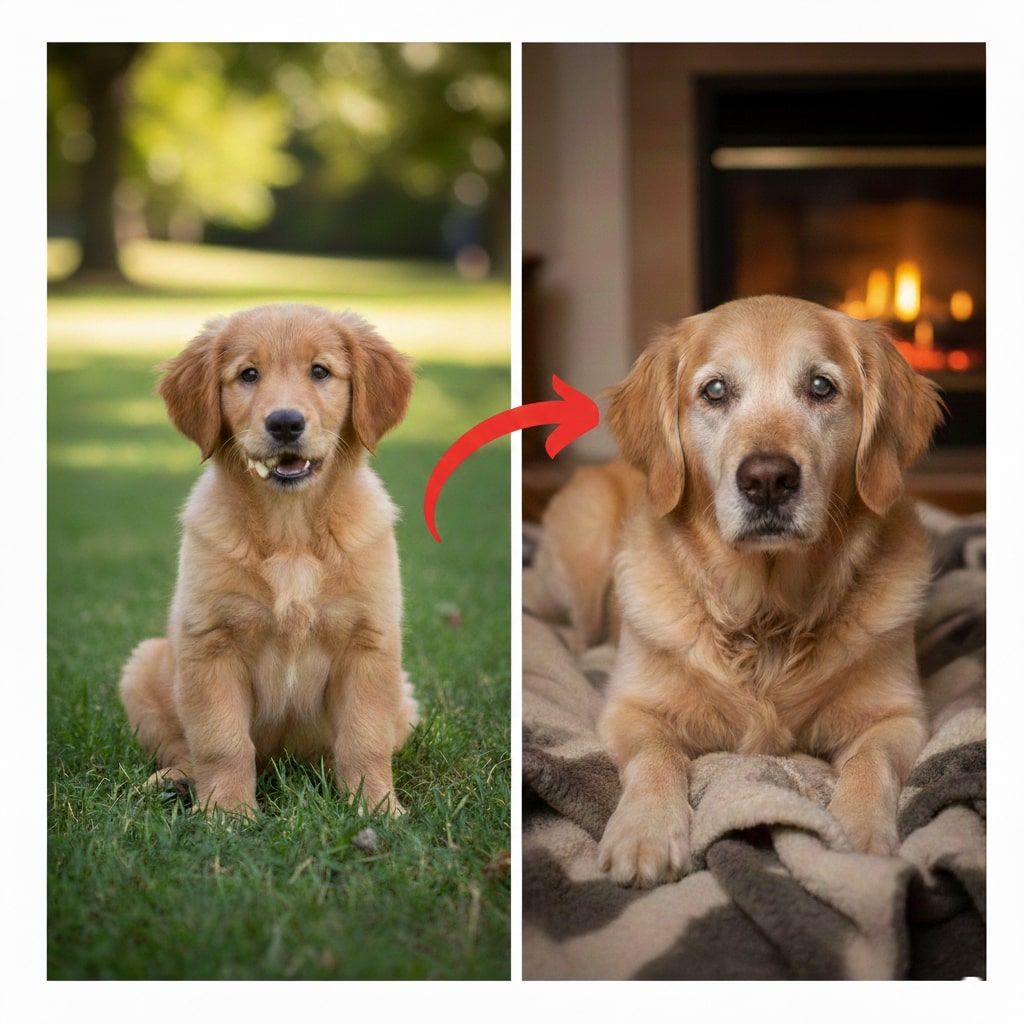
As dogs age, expect gradual changes in their physical abilities, behavior, and sensory perception. Common signs include slowing down on walks due to joint stiffness or arthritis, a graying muzzle, and cloudy eyes (nuclear sclerosis). You may notice behavioral shifts like increased sleeping, anxiety, or confusion—often linked to Canine Cognitive Dysfunction. Senior dogs also require dietary adjustments for slower metabolisms and more frequent veterinary check-ups to manage age-related conditions like dental disease and kidney function.
Summary Table: How Aging Affects Dogs
| Category | Common Signs & Changes |
| Physical | Weight gain/loss, muscle loss, stiff joints, graying coat, lumps/bumps. |
| Sensory | Clouding eyes (Nuclear Sclerosis), reduced hearing, poor night vision. |
| Cognitive | Confusion, pacing at night, anxiety, changes in sleep cycles. |
| Dietary | Lower caloric needs, higher protein (if kidneys allow), joint supplements. |
| Behavioral | Less tolerance for noise/chaos, increased need for rest, clinginess. |
How Aging Affects Dogs: What to Expect?
Watching a beloved dog grow older is a bittersweet journey. The energetic puppy that once zoomed around your living room eventually becomes a slower, more deliberate senior. While we cannot stop time, understanding the aging process helps us provide the best possible care for our furry companions.
Aging is not a disease; it is a natural biological process. However, it does bring specific health challenges. By recognizing the signs early, from physical shifts to subtle behavioral quirks, you can ensure your dog’s golden years are comfortable and happy.
Read Also: Why Do Dogs Follow Their Owners Everywhere?
1. Physical Changes: The Visible Signs of Aging
The most obvious signs of aging are physical. These changes often happen gradually, so you might not notice them day-to-day until you look back at old photos.
Coat and Skin Changes
One of the first things owners notice is the “sugar face.” Your dog’s muzzle, face, and paws will likely turn gray or white. The skin may also lose elasticity and become thinner, making it more prone to injury. You might notice the coat becoming coarser or dryer.
- Warts and Lumps: Older dogs are prone to developing fatty lumps called lipomas, as well as benign warts and skin tags. While usually harmless, any new lump should be checked by a veterinarian to rule out cancer.
Mobility and Joint Health
If your dog hesitates before jumping into the car or takes longer to stand up after a nap, they are likely experiencing joint stiffness. Osteoarthritis is extremely common in senior dogs. The cartilage cushioning their joints wears down, causing pain and inflammation.
- Muscle Loss: You may notice your dog’s legs looking thinner, especially the hind legs. This muscle atrophy (sarcopenia) contributes to weakness and instability.
- Slowing Down: Walks that used to take 20 minutes might now take 40, or your dog may stop and refuse to go further.
Weight Fluctuations
Metabolism slows down as dogs age. If they continue eating the same amount of food while exercising less, they will gain weight. Obesity puts massive stress on aging joints. Conversely, some senior dogs lose weight rapidly. This can be a sign of underlying issues like dental disease, kidney failure, or diabetes and requires immediate vet attention.
Read Also: What Does It Mean When a Dog Avoids Eye Contact?
2. Sensory Changes: Vision and Hearing
Your dog’s world is defined by their senses. When these dull, it can be confusing or frightening for them.
Vision Loss
Have you noticed a bluish-gray haze in your dog’s eyes? This is likely Nuclear Sclerosis, a normal hardening of the lens that happens to almost all older dogs. It does not significantly affect vision. However, Cataracts are white and opaque and do cause blindness.
- Night Vision: Senior dogs often struggle to see in the dark. They may be hesitant to go outside at night or bump into furniture in dimly lit rooms.
Hearing Loss
Hearing loss is often selective at first—you might think your dog is ignoring you. Eventually, they may not hear you opening the food bag or the doorbell ringing.
- Startle Reflex: Because they can’t hear you approaching, deaf dogs may startle easily if you touch them unexpectedly. It is best to approach them from the front or stomp on the floor so they feel the vibration.
3. Cognitive Changes: “Doggy Dementia”
Just like humans can get Alzheimer’s, dogs can suffer from Canine Cognitive Dysfunction (CCD). This affects memory, learning, and awareness.
Signs of CCD include:
- Disorientation: Getting stuck in corners or standing at the wrong side of the door to go out.
- Interaction Changes: Becoming unusually clingy or, conversely, withdrawing from family affection.
- Sleep-Wake Cycle Disturbances: Sleeping deeply all day but pacing, panting, or whining all night (often called “sundowning”).
- House Soiling: Forgetting housetraining and having accidents indoors despite having access to the outside.
If you notice these signs, talk to your vet. Supplements and medications can help manage these symptoms and improve quality of life.
Read Also: Why Do Dogs Tilt Their Heads?
4. Behavioral Shifts
Pain and sensory loss often change a dog’s personality. A once gregarious dog might become “grumpy” or intolerant of chaos.
- Anxiety: Seniors are less adaptable. Moving furniture, a new routine, or loud house guests can cause significant anxiety.
- Noise Phobia: Many older dogs develop new fears of thunderstorms or fireworks, even if they never cared before.
- Aggression: If a dog is in pain (e.g., from arthritis), they may snap if a child grabs them or if they are bumped. This is a defensive reaction, not “meanness.”
Dietary Needs for the Senior Dog
Nutrition plays a massive role in longevity. Senior dog food is formulated to address their changing physiology.
1. Calorie Control
Because they move less, they need fewer calories. However, they still need distinct nutrients.
2. High-Quality Protein
Unless your dog has kidney disease, do not restrict protein. Older dogs actually need more high-quality protein to maintain their muscle mass.
3. Hydration
Kidney function naturally declines with age. You might notice your dog drinking more water and urinating more frequently. Ensure they always have access to fresh water.
4. Supplements
- Glucosamine & Chondroitin: Essential for joint support.
- Omega-3 Fatty Acids: Great for reducing inflammation and keeping the skin healthy.
- Antioxidants: Vitamins C and E help support brain health and the immune system.
Veterinary Care and Maintenance
Puppies need frequent vet visits, and so do seniors. The “annual checkup” should become a semi-annual checkup (every 6 months) once your dog is a senior (usually around age 7-10 depending on size).
Important Screenings:
- Blood Work: To check liver and kidney function, red blood cell counts, and blood sugar.
- Urinalysis: To detect infections or early kidney issues.
- Dental Care: Periodontal disease is rampant in seniors. Rotten teeth cause immense pain and can spread bacteria to the heart and kidneys. A dental cleaning can rejuvenate an “old” dog who was simply in pain from a toothache.
Read Also: Can Dogs Eat Mayonnaise?
Adjusting Your Home for Comfort
Small changes in your environment can make a world of difference for a dog with limited mobility or vision.
1. Traction is Key
Hardwood or tile floors are like ice rinks for arthritic dogs. They slip, panic, and risk injury.
- Solution: Put down yoga mats or non-slip area rugs in high-traffic pathways.
2. Ramps and Steps
Jumping out of a car or off a high bed places massive force on aging joints.
- Solution: Use pet ramps or stairs for the couch and car.
3. Orthopedic Bedding
A thin blanket on the floor is no longer sufficient.
- Solution: Invest in a thick, memory foam orthopedic bed that supports their joints and keeps them off the cold floor.
4. Elevate Food Bowls
Bending all the way down to the floor can be painful for dogs with neck or back arthritis.
- Solution: Raise their food and water bowls slightly (to about chest height) to reduce strain.
The Emotional Bond
Caring for an aging dog is a profound experience. The bond often deepens as your dog relies on you more. They may not be able to chase a ball for an hour, but they will happily sit by your feet for three.
Patience is your most valuable tool. They don’t mean to have accidents in the house, and they aren’t trying to be difficult when they walk slowly. They are simply navigating a body that is changing.
Conclusion
Aging in dogs is inevitable, but it doesn’t have to be scary. By knowing what to expect, you can pivot from simply “owning” a dog to actively managing their senior wellness.
Focus on the three pillars of senior care: Comfort (pain management and home adjustments), Nutrition (weight control and supplements), and Vigilance (regular vet visits to catch illness early).
Your dog has given you years of unwavering loyalty. Now is the time to return the favor by making their final chapters as safe, warm, and loving as possible.