
Dogs
How to Help a Puppy Adjust to a New Home?
To help a puppy adjust to a new home, establish a consistent routine immediately for feeding, potty breaks, and sleeping. Create a safe, designated space, like a crate or playpen,

To help a puppy adjust to a new home, establish a consistent routine immediately for feeding, potty breaks, and sleeping. Create a safe, designated space, like a crate or playpen,

Puppies typically experience two distinct fear periods during their development. The first fear period occurs between 8 to 11 weeks of age, often coinciding with the time they leave their
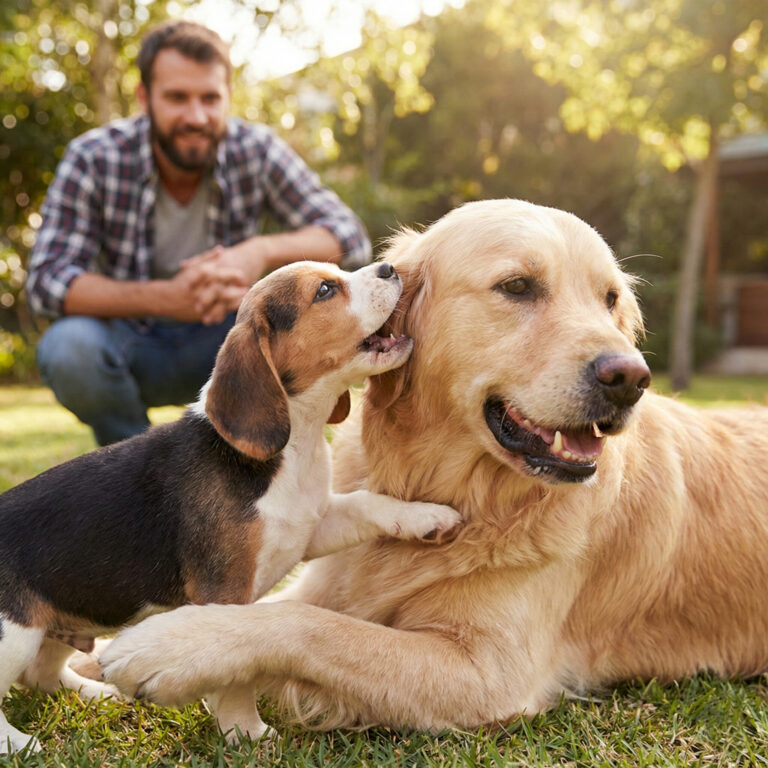
Puppies learn social boundaries primarily through interaction with their mother and littermates between 3 and 14 weeks of age. During play, they develop bite inhibition when siblings yelp or stop
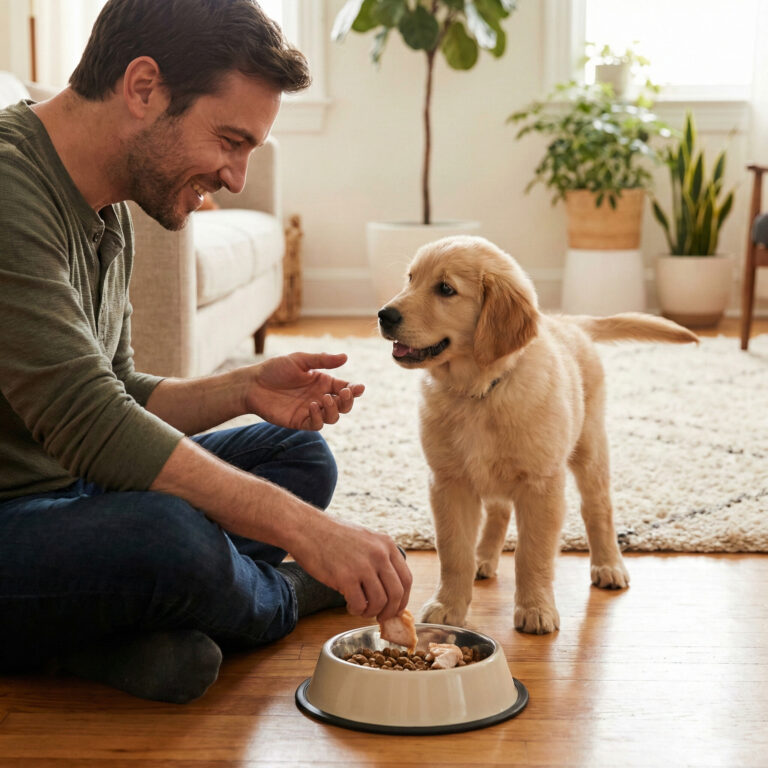
To prevent resource guarding in puppies, use positive reinforcement to teach them that human presence near their valued items leads to rewards, not loss. Implement “trading games” where you exchange
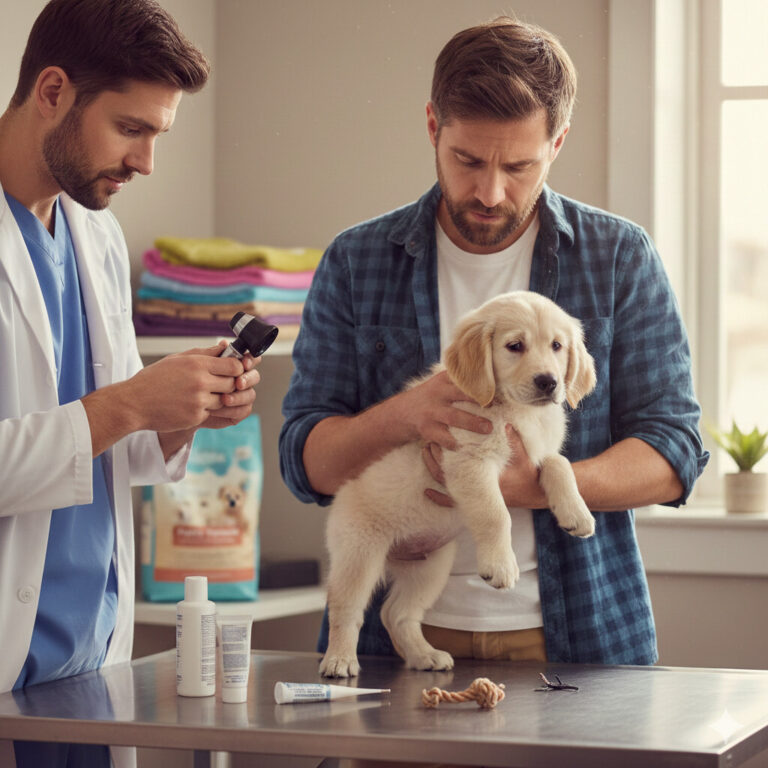
The most common puppy health concerns include gastrointestinal issues like Parvovirus and worms, respiratory infections like Kennel Cough, and skin problems caused by fleas or mites. Puppies are also prone
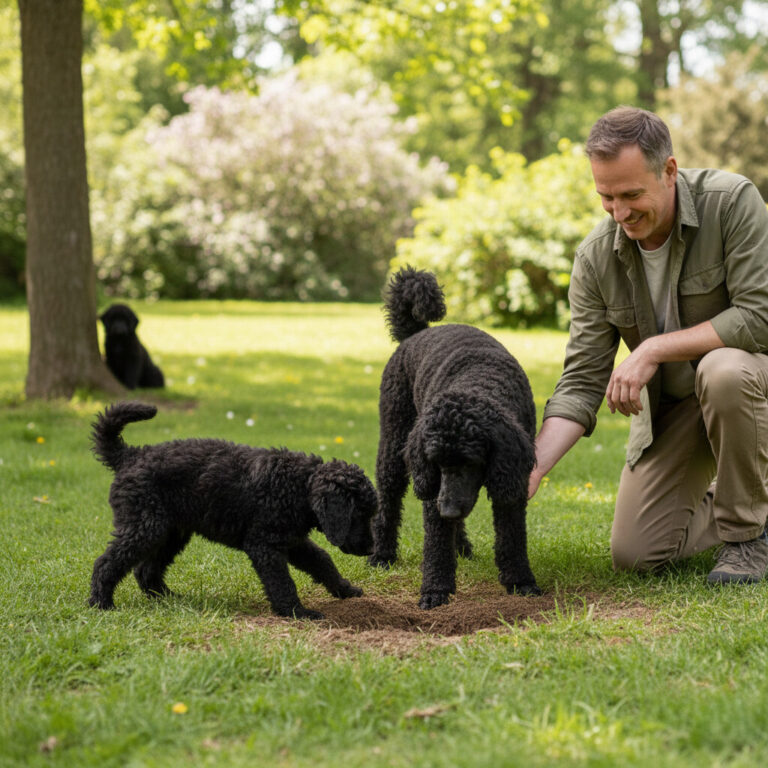
Puppies learn from adult dogs primarily through a process called allelemimetic behavior (mimicry) and observational learning. By watching older dogs, puppies understand social cues, bite inhibition, hunting techniques, and appropriate
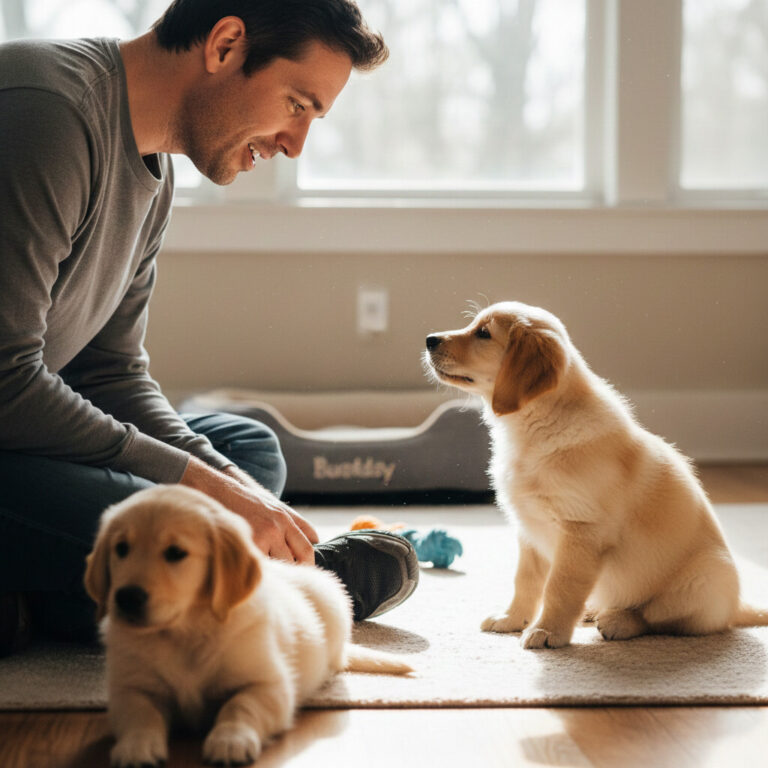
Most puppies begin to recognize their name between 6 and 12 weeks of age. However, they do not understand the name as a personal identity like humans do. Instead, they
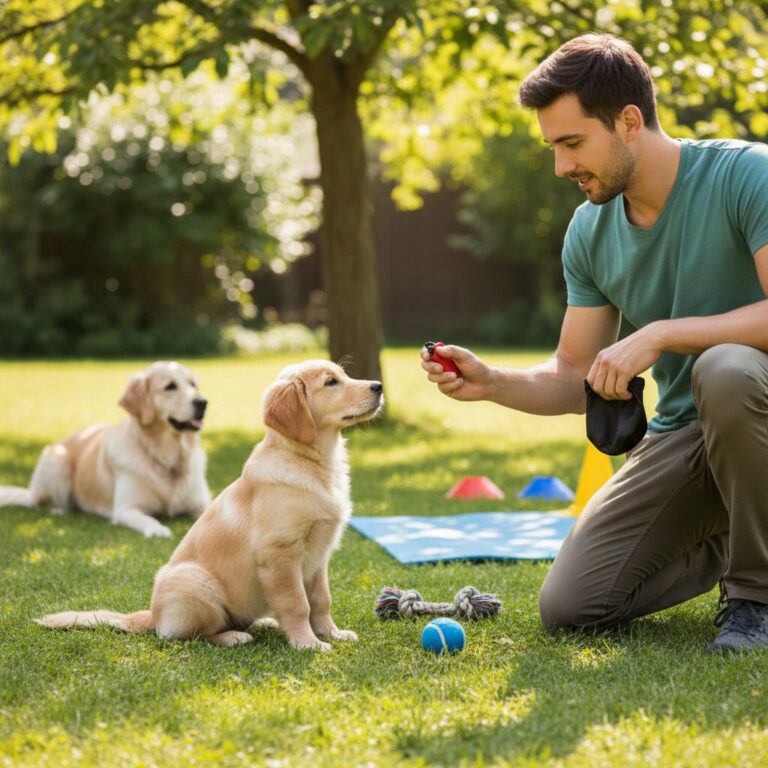
Most puppies learn basic commands like “sit” and “stay” within 4 to 6 months. However, fully potty training a puppy usually takes 4 to 6 months, while achieving reliable behavior

Puppies chew everything primarily to relieve the pain of teething, explore their new world, and combat boredom or anxiety. Just like human babies, puppies use their mouths to investigate textures
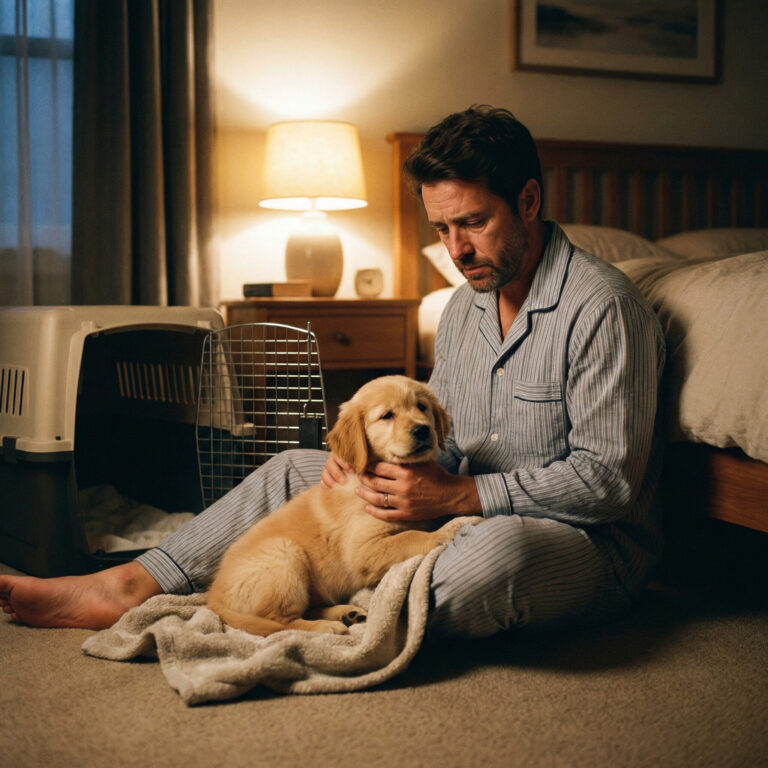
Puppies cry at night primarily due to separation anxiety, loneliness, and the stress of leaving their mother and littermates. Other common causes include physical needs like hunger, thirst, or a
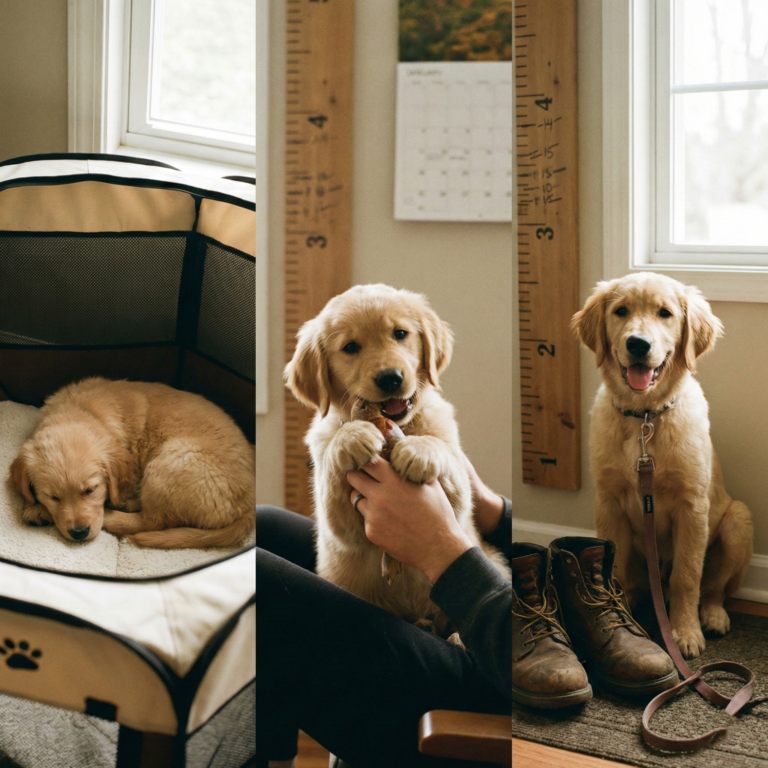
During a puppy’s first 90 days, expect a transition often described by the “3-3-3 Rule.” In the first 3 days, the puppy is overwhelmed and decompressing. During the first 3
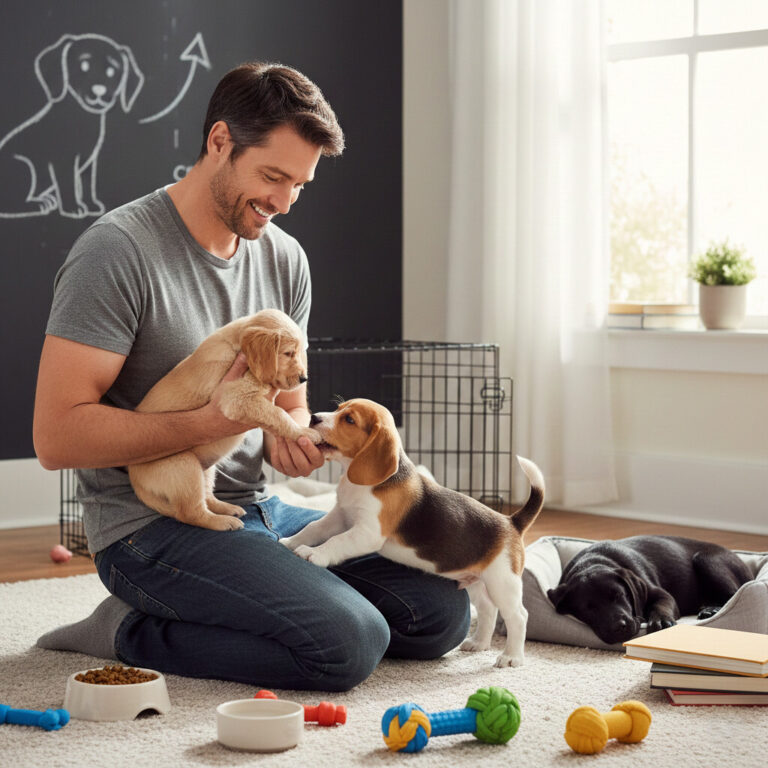
Puppy care and development involve guiding a dog from infancy through adulthood by focusing on specific growth milestones. Key aspects include providing age-appropriate nutrition, adhering to a vaccination schedule, and