Dogs
Why Dogs Seek Approval but Cats Don’t
Dogs seek approval because they evolved from wolves, which are pack animals that rely on social hierarchy and cooperation to survive. They view humans as part of their pack and

Dogs seek approval because they evolved from wolves, which are pack animals that rely on social hierarchy and cooperation to survive. They view humans as part of their pack and
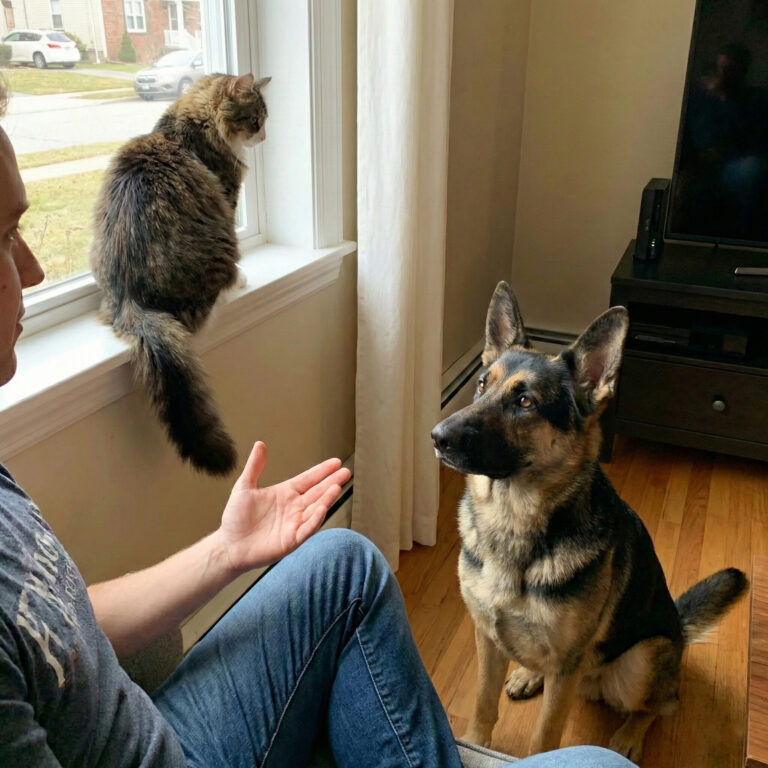
Cats ignore commands because they were not bred to work alongside humans like dogs were. Dogs have a “pack mentality” and a long history of selective breeding for cooperation, making
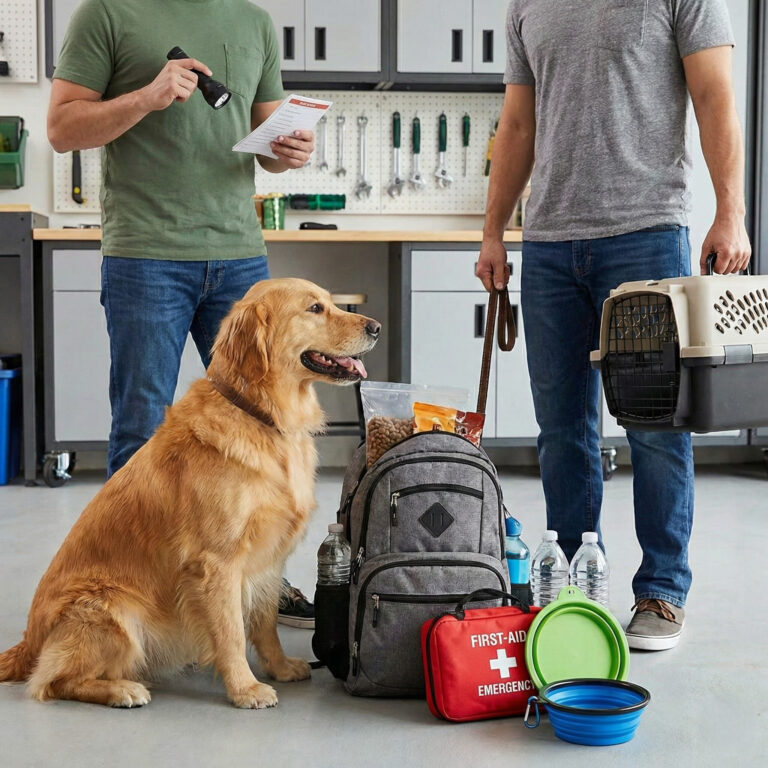
To prepare your dog for emergencies, you must create a specific pet disaster plan. Build a “grab-and-go” bag containing at least five days of food, water, medications, and copies of
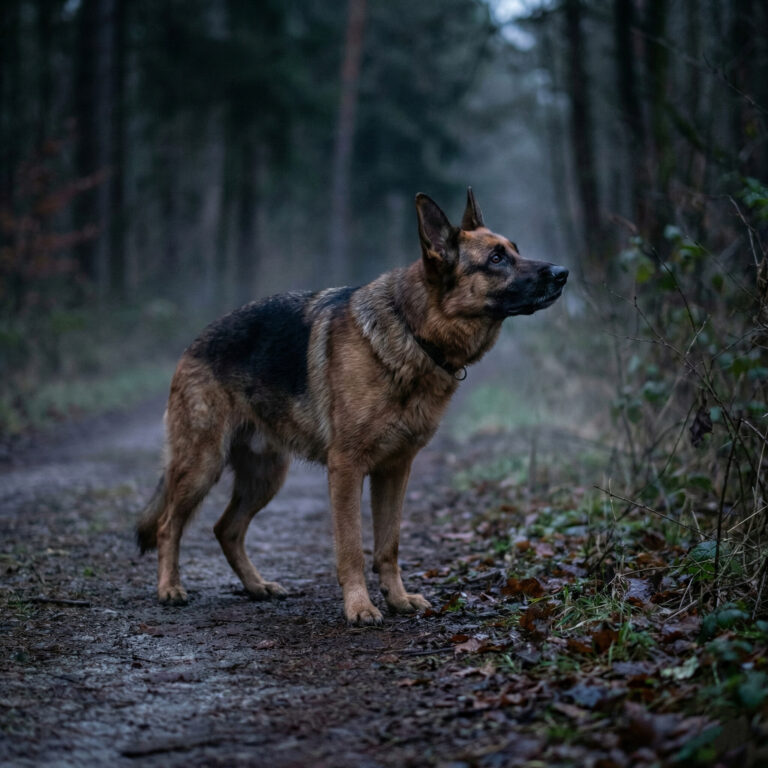
Dogs sense danger using a combination of their highly evolved biological senses, which are significantly more acute than humans’. Their primary tool is their sense of smell, allowing them to
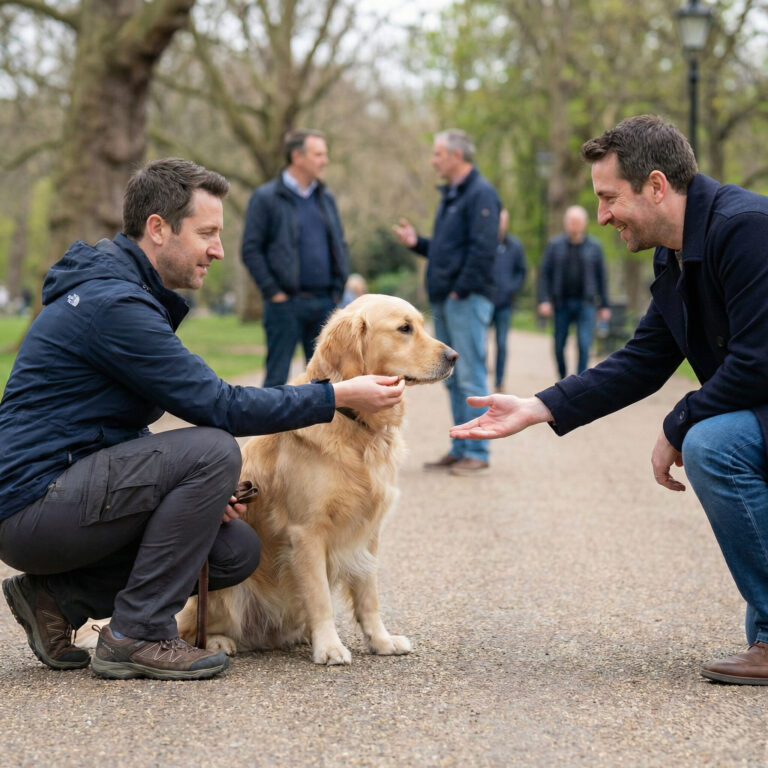
To teach a dog to be calm around strangers, use positive reinforcement to change their emotional response from fear or over-excitement to calmness. Start from a distance where the dog
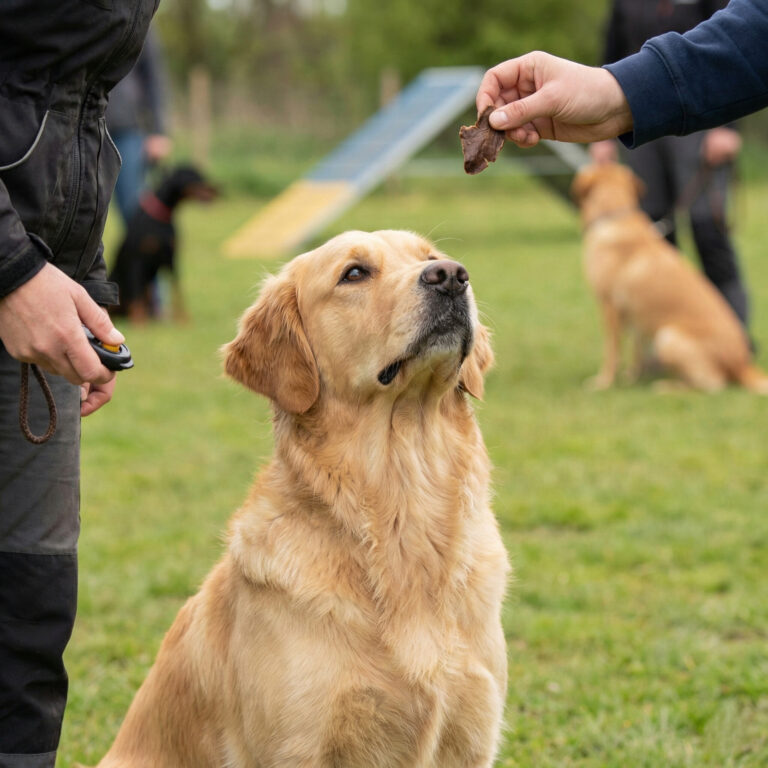
Treats affect dog training success by acting as a primary reinforcer, utilizing the principles of operant conditioning to increase the likelihood of desired behaviors being repeated. High-value food rewards create
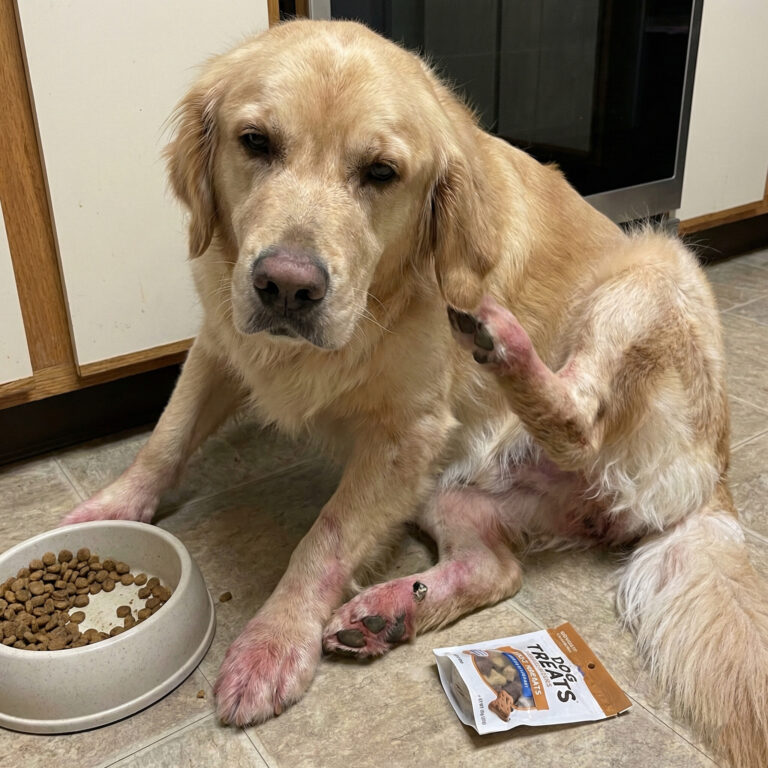
The most common signs of food sensitivities in dogs affect the skin and the digestive system. Look for persistent itching (especially around the paws, face, ears, and rear end), red
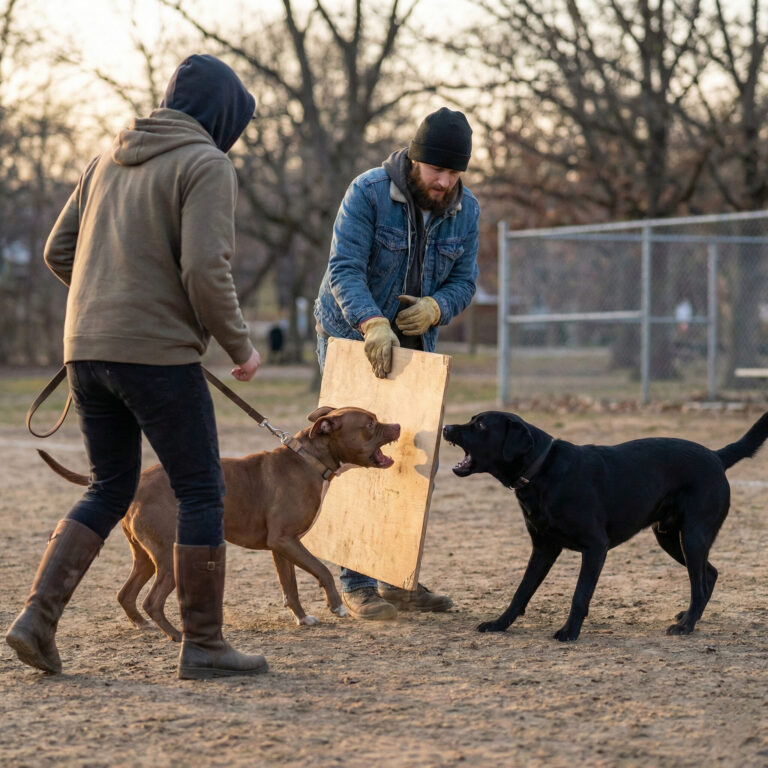
The safest way to break up a dog fight is never to get physically between the dogs. If two people are present, the most effective technique is the “wheelbarrow method,”
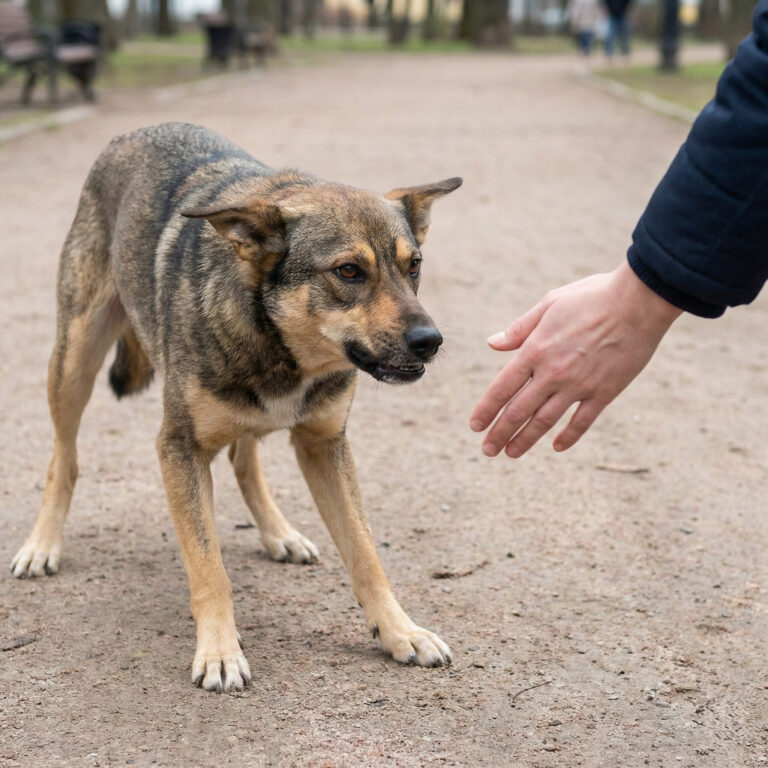
A dog rarely bites “out of the blue.” They almost always provide a series of warning signs before escalating to aggression. To read these signs, you must look at the
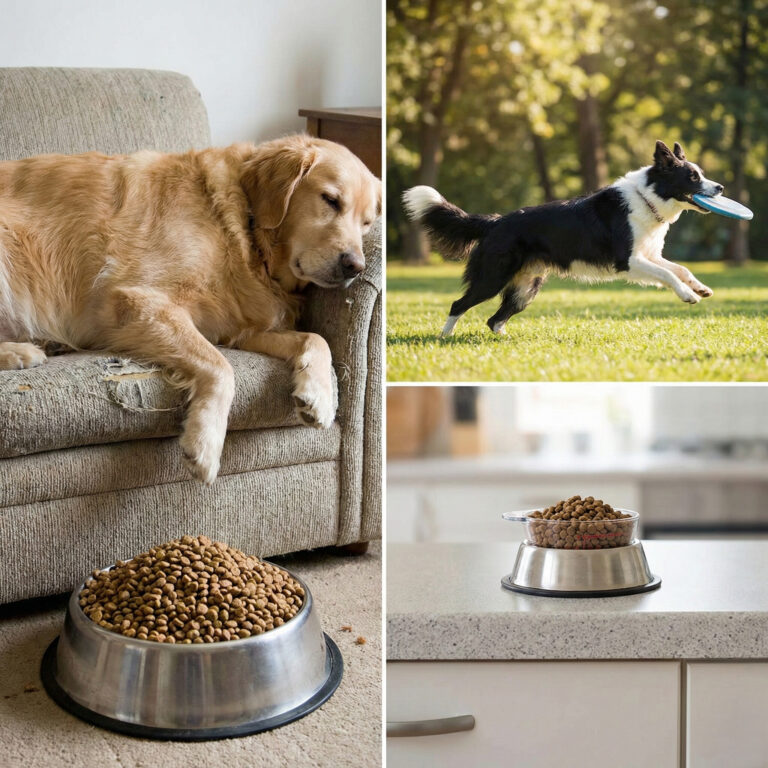
Yes, portion sizes directly control your dog’s energy levels. Food is fuel. Too much food forces the body to spend excessive energy on digestion, leading to immediate lethargy (a “food
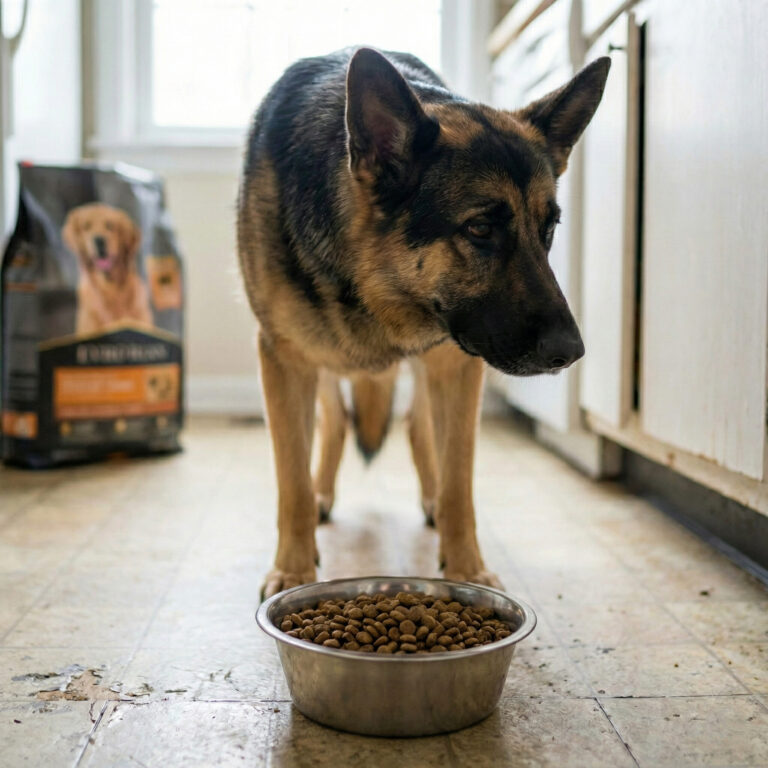
Yes, dogs can get bored with eating the same food every single day. While their taste buds aren’t as developed as humans’, their powerful sense of smell drives their appetite.
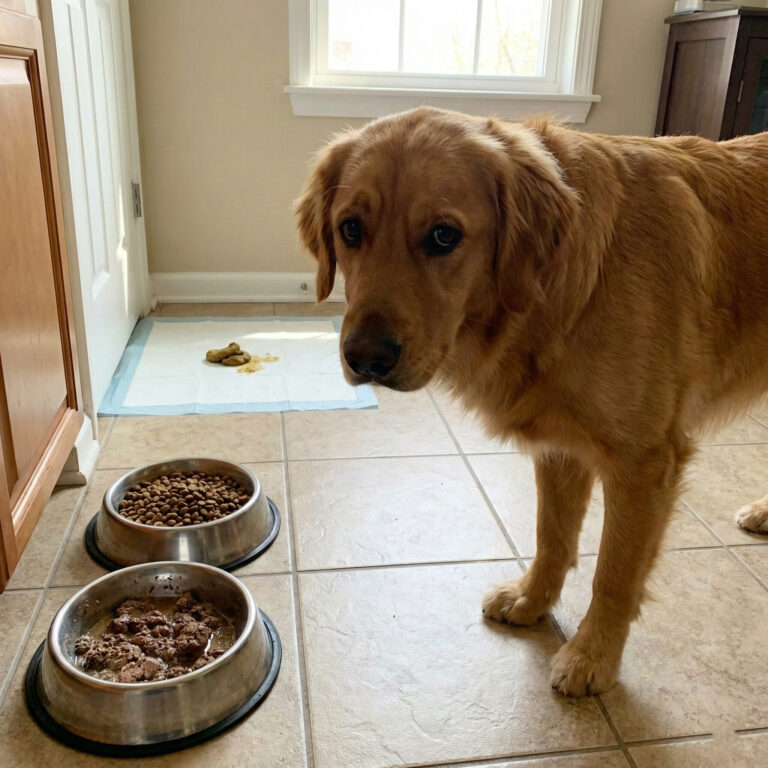
Changing a dog’s food suddenly often disrupts their digestive system. Dogs develop specific gut bacteria tailored to break down their usual diet. Introducing new ingredients, different protein sources, or changing