Cats
How Cats Recognize Their Owners
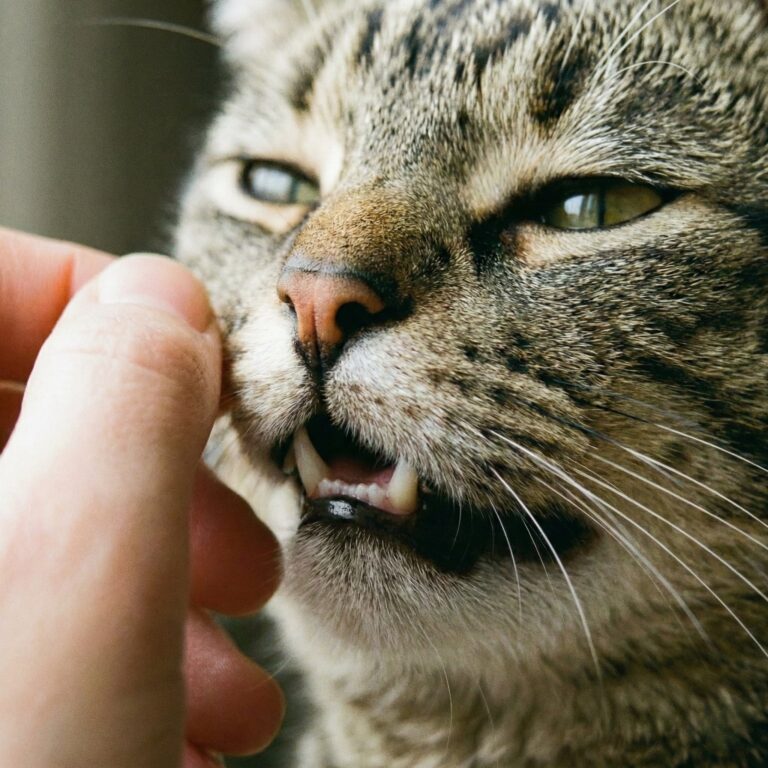
Cats recognize their owners primarily through sound and scent rather than sight. They rely on their highly developed hearing to distinguish their owner’s specific vocal pitch and tone from strangers.

Cats recognize their owners primarily through sound and scent rather than sight. They rely on their highly developed hearing to distinguish their owner’s specific vocal pitch and tone from strangers.
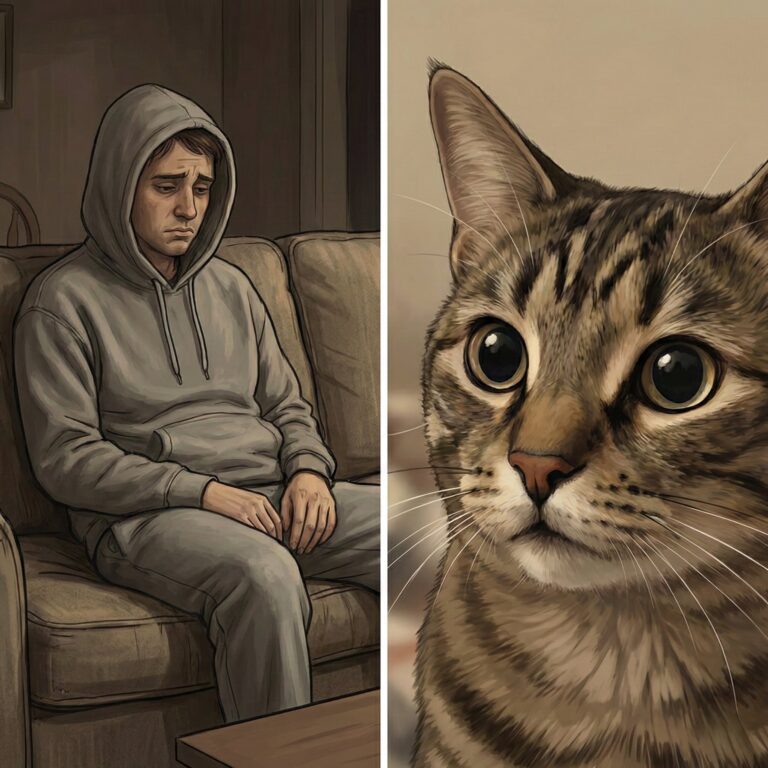
Yes, research suggests cats can recognize and respond to human emotions, though they may not understand them exactly like humans do. Studies show cats can distinguish between happy and angry
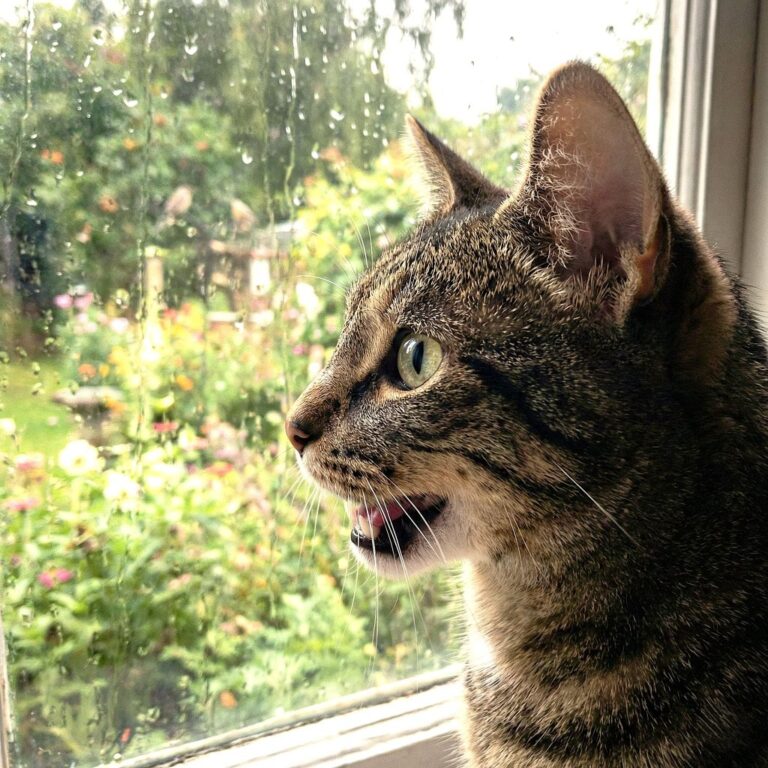
Cats chirp or chatter at birds primarily due to an instinctive predatory response. This distinct rapid jaw movement and sound mimics the “neck bite” wild cats use to subdue prey
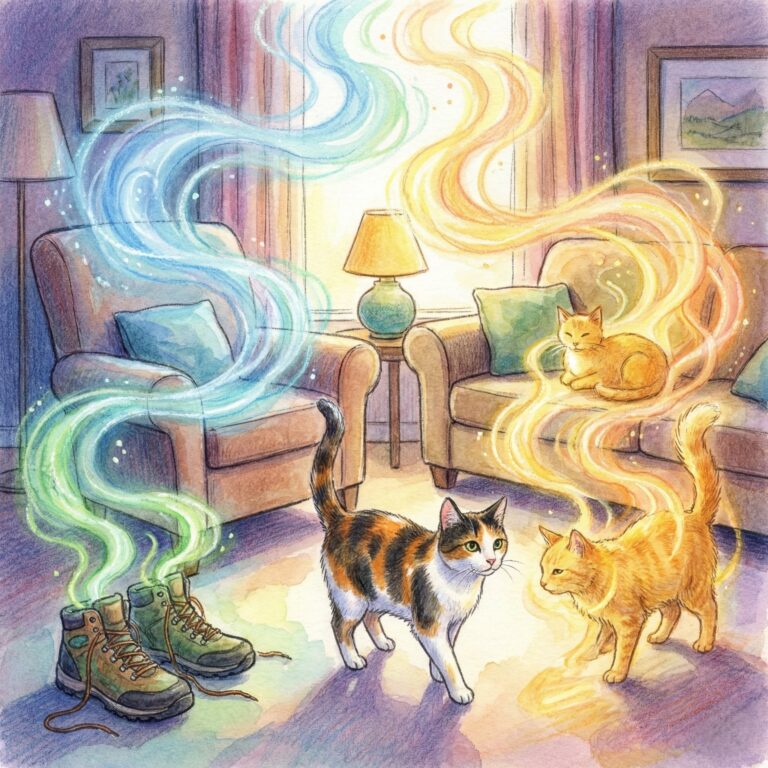
Cats communicate primarily through a complex chemical language involving pheromones and scent marking. By rubbing their faces on objects (bunting), scratching surfaces, or spraying urine, they leave behind unique olfactory
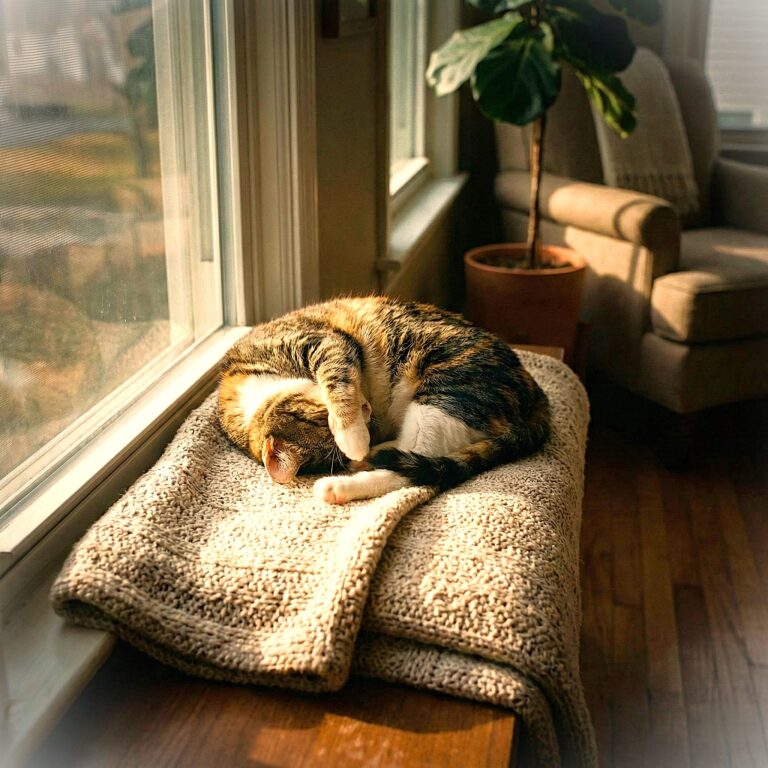
Cats typically sleep between 12 and 16 hours a day. However, this varies significantly by age. Kittens and senior cats often sleep up to 20 hours a day for growth

Cats knock things over primarily due to hunting instincts, boredom, or attention-seeking behavior. In the wild, cats use their paws to test if prey is alive or dangerous. Indoors, this
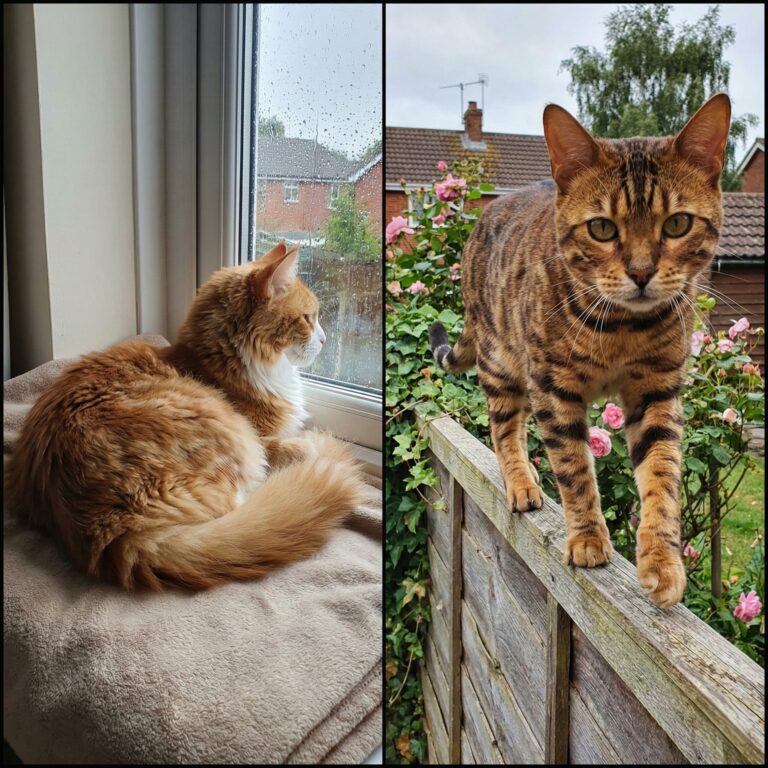
The choice between keeping a cat indoors or letting them outdoors largely depends on safety versus enrichment. Indoor cats generally live significantly longer (10 – 15+ years) and are safe
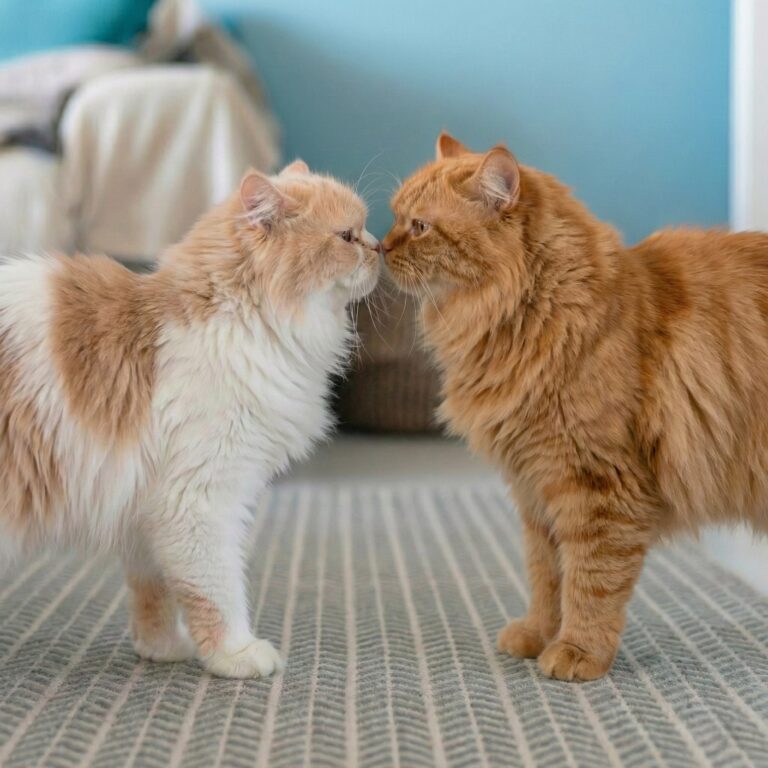
To introduce a new cat to your home successfully, follow a slow, phased approach. Start by isolating the new cat in a dedicated “safe room” with their own food, water,

Dogs follow their owners everywhere primarily due to their pack instinct, which drives them to seek safety and companionship with their group leader. This behavior, often called being a “Velcro
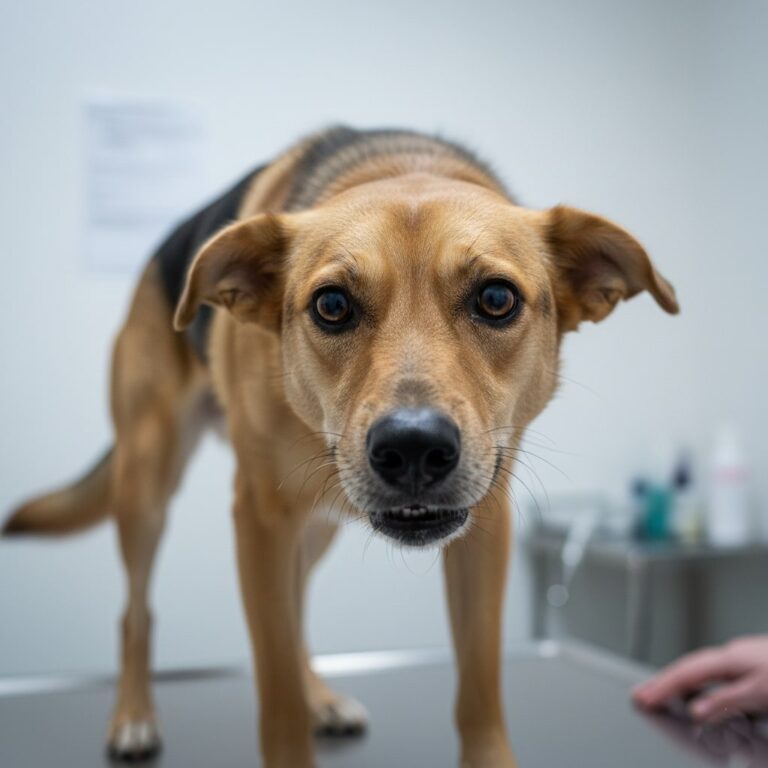
Signs your dog is stressed include body language cues like pinned ears, a tucked tail, or “whale eye” (showing the whites of the eyes). Behavioral changes such as excessive yawning,

Dogs circle before lying down primarily due to an evolutionary instinct inherited from their wild ancestors, wolves. In the wild, circling helped flatten tall grass and snow to create a

When a dog avoids eye contact, it is usually a sign of submission, anxiety, or fear. In dog language, a direct stare can be interpreted as a threat or a