Cats
Why Do Cats Headbutt People?
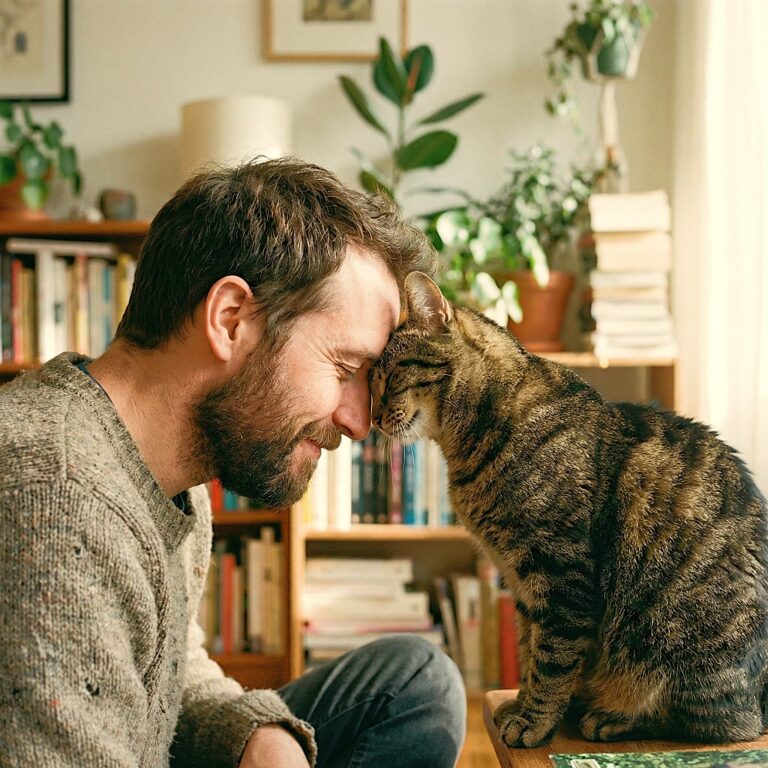
Cats headbutt people, a behavior scientifically known as bunting, primarily to mark them with scent glands located on their heads. This action deposits pheromones that mark you as safe, trusted,

Cats headbutt people, a behavior scientifically known as bunting, primarily to mark them with scent glands located on their heads. This action deposits pheromones that mark you as safe, trusted,

Vertical space is essential for cats because it satisfies their natural instinct to climb, observe their environment from a safe vantage point, and establish territory. Providing elevated areas like cat
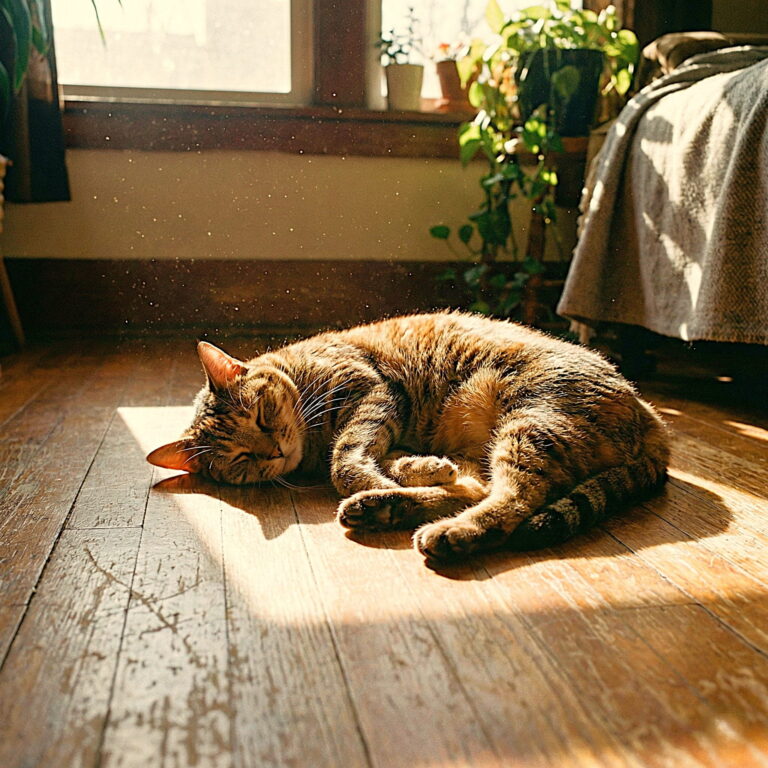
Cats choose their sleeping spots based on a combination of safety, temperature regulation, and territory. Their primary instinct is survival, leading them to select elevated areas for a clear vantage
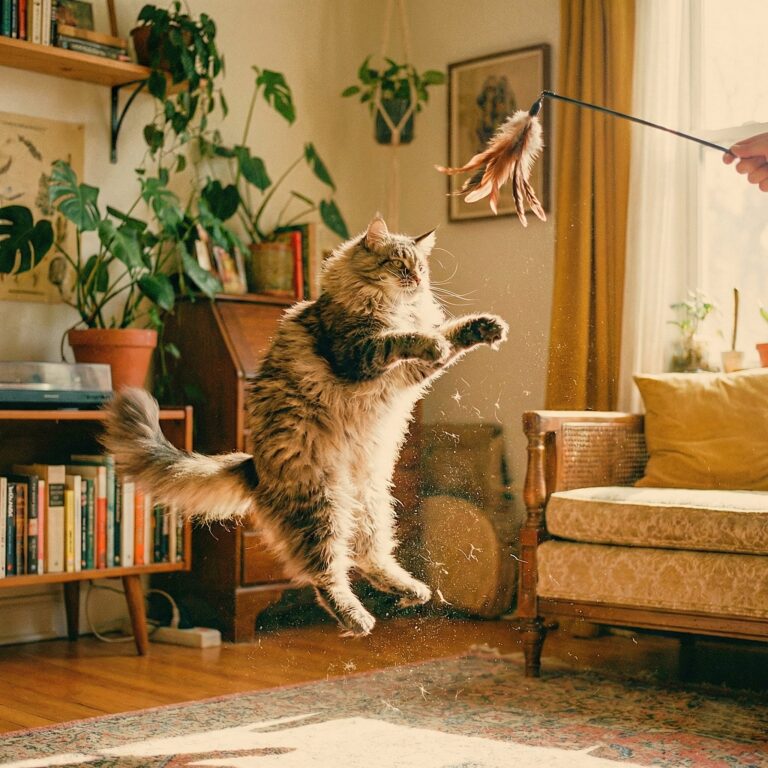
Seasonal changes affect cat behavior primarily due to fluctuations in daylight hours (photoperiod) and temperature. These environmental shifts trigger biological responses such as increased shedding in spring, reduced appetite and
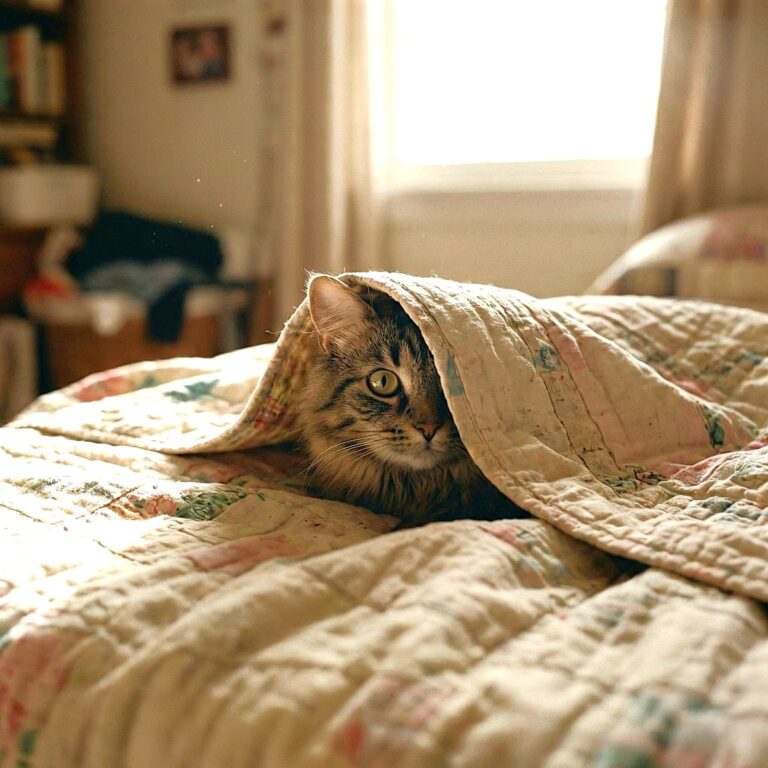
To help a shy or timid cat gain confidence, create a dedicated “safe room” where they can retreat and feel secure. Use positive reinforcement by offering high-value treats and playing

Cats love boxes because they provide a safe, enclosed space that reduces stress and offers protection. The confined area mimics a den, allowing cats to hide from predators while stalking
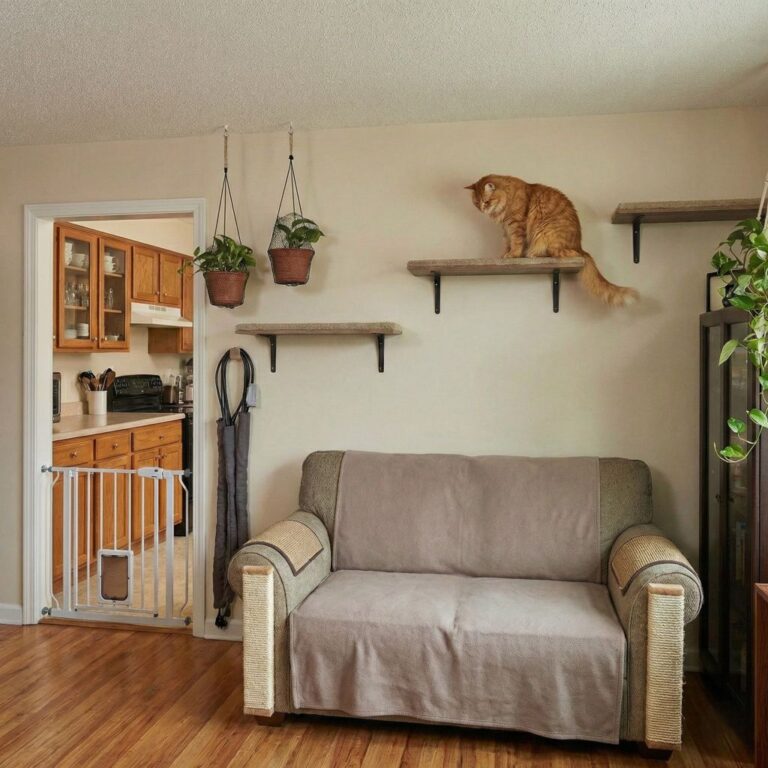
To make your home cat-safe, identify and remove common hazards like toxic plants (lilies, ivy), secure loose electrical cords, and lock away cleaning chemicals and medications. Ensure windows have secure
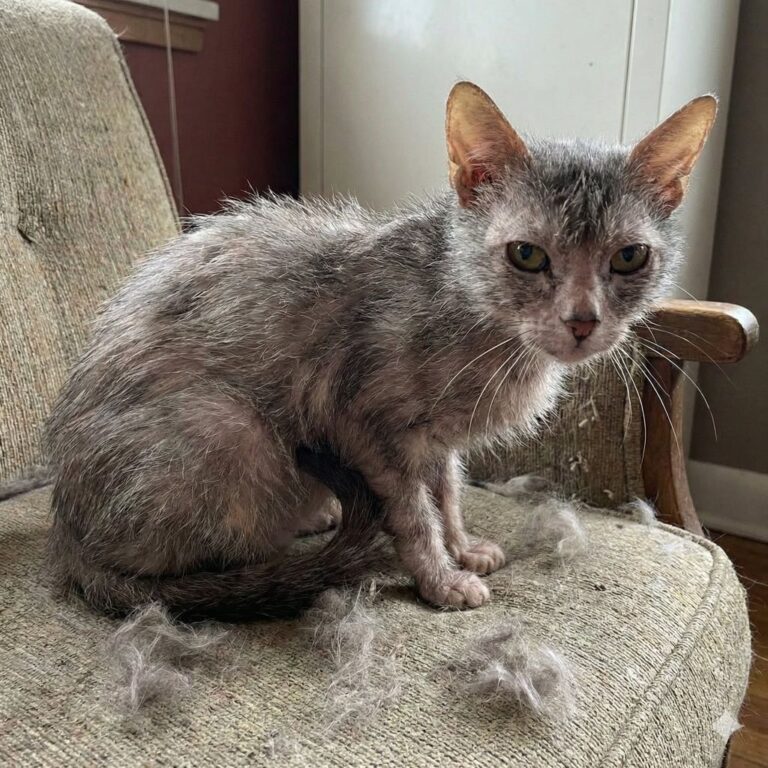
To reduce shedding in cats, brush them daily using a deshedding tool or slicker brush to remove loose fur before it falls. Improve their diet by adding Omega-3 and Omega-6
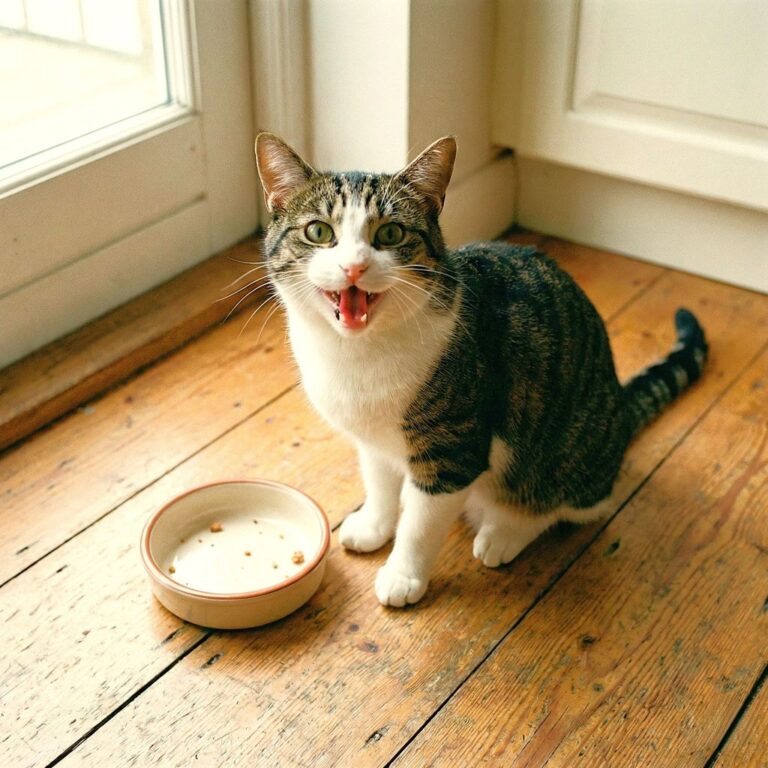
Cats communicate with humans through a complex mix of vocalizations, body language, and scent. While meowing is a behavior developed almost exclusively for interacting with people, they also use tail
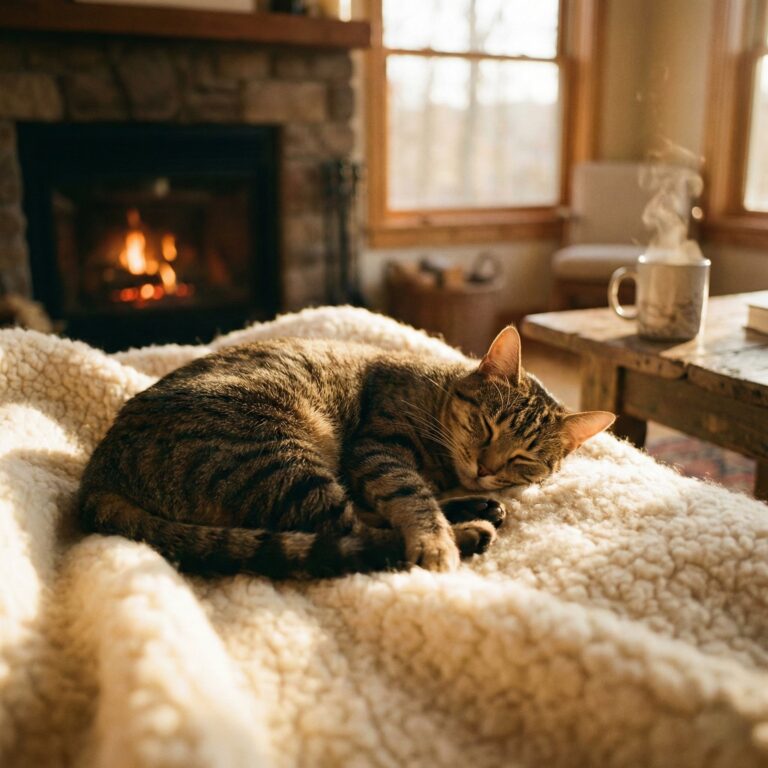
Cats purr primarily to communicate. While most people associate purring with happiness and contentment, cats also purr when they are hungry, stressed, or in pain. Research suggests that the low
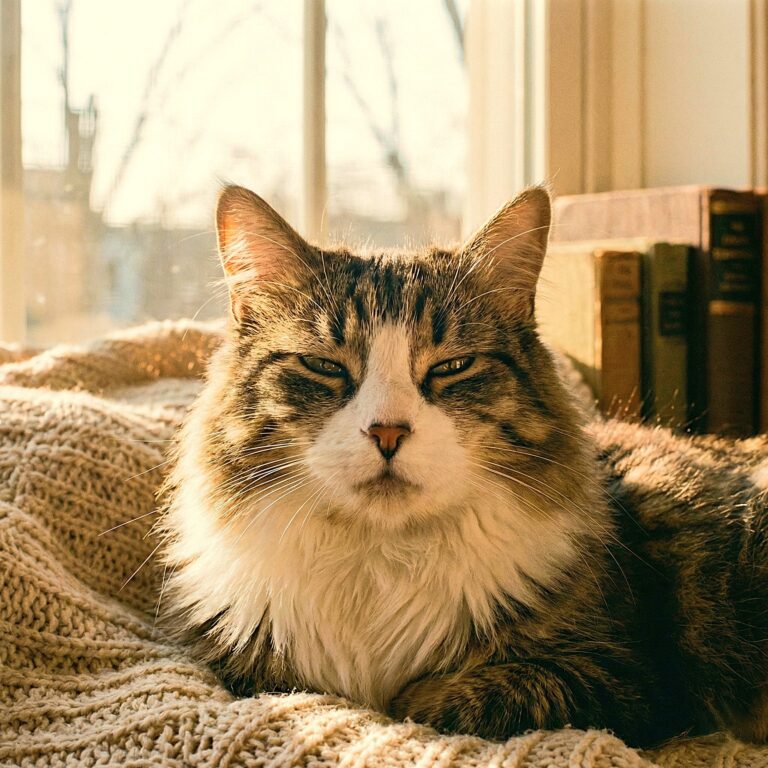
Cats show affection through subtle body language and behaviors rather than overt displays. Key signs include slow blinking, purring, kneading (making biscuits), head bunting, showing their belly, and following you
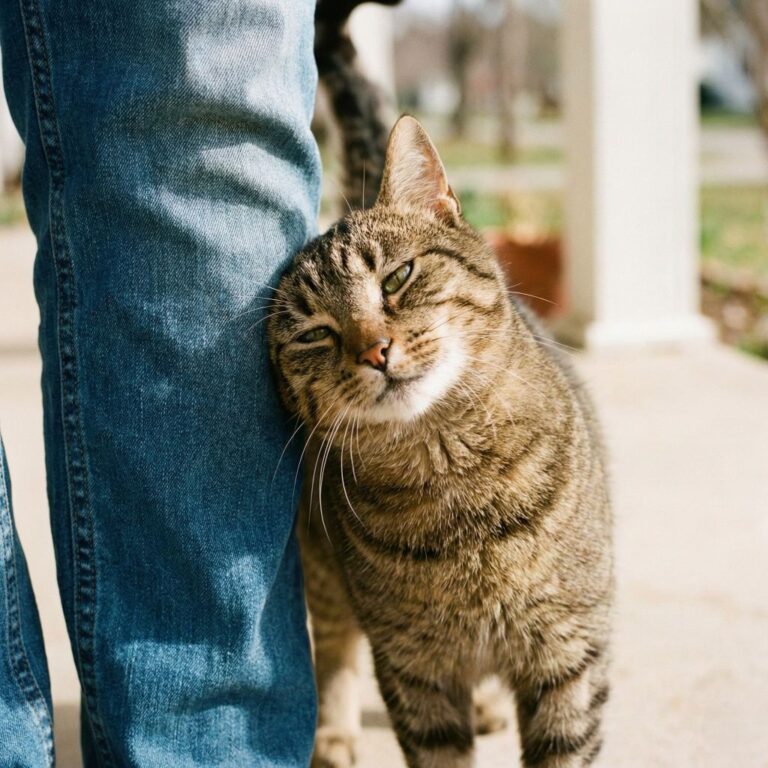
Cats rub against their owners primarily to mark their territory and show affection. This behavior, known as “bunting,” allows a cat to transfer pheromones from scent glands located on their