
Dogs
When Do Puppies Stop Teething?
Most puppies finish teething by six to seven months of age. By this time, all 28 baby teeth should have fallen out and been replaced by 42 permanent adult teeth.

Most puppies finish teething by six to seven months of age. By this time, all 28 baby teeth should have fallen out and been replaced by 42 permanent adult teeth.

Puppies learn bite inhibition through feedback loops, primarily with their littermates and mother. When a puppy bites too hard during play, the other dog will yelp and stop interacting. This

Training improves a dog’s mental health by providing essential cognitive stimulation, establishing clear communication, and creating a sense of predictability. Regular training sessions release dopamine (the feel-good hormone), reduce cortisol

Some dogs are harder to train than others due to a combination of genetics, independent nature, motivation levels, and past experiences. Breeds bred to work independently (like Hounds or Terriers)

To stop a dog from barking excessively, you must first identify the trigger, such as boredom, fear, territoriality, or separation anxiety. Once the cause is found, remove the motivation for

To stop a cat from jumping on counters, you must combine management techniques with environmental enrichment. First, remove all food rewards by keeping counters clean and storing food in airtight

Yes, cats can learn their names. Research confirms that domestic cats can distinguish their own names from other spoken words, names of other pets, and even strangers’ voices. While they

Bad breath in cats, also known as halitosis, is most commonly caused by dental issues like periodontal disease, plaque buildup, and gingivitis. However, persistent foul breath can also be a

Adult cats generally need core vaccines (FVRCP and Rabies) every one to three years depending on the vaccine type and local laws. Kittens require a series of shots starting at
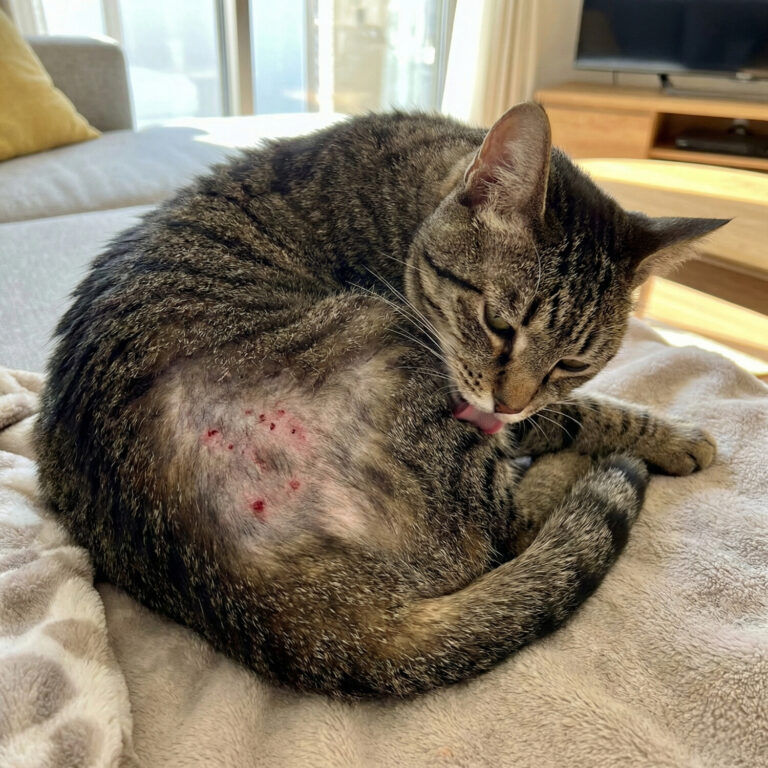
How Do I Know If My Cat Has Skin Allergies? To detect skin allergies in cats, look for excessive scratching, licking, or chewing of the fur. Common physical signs include
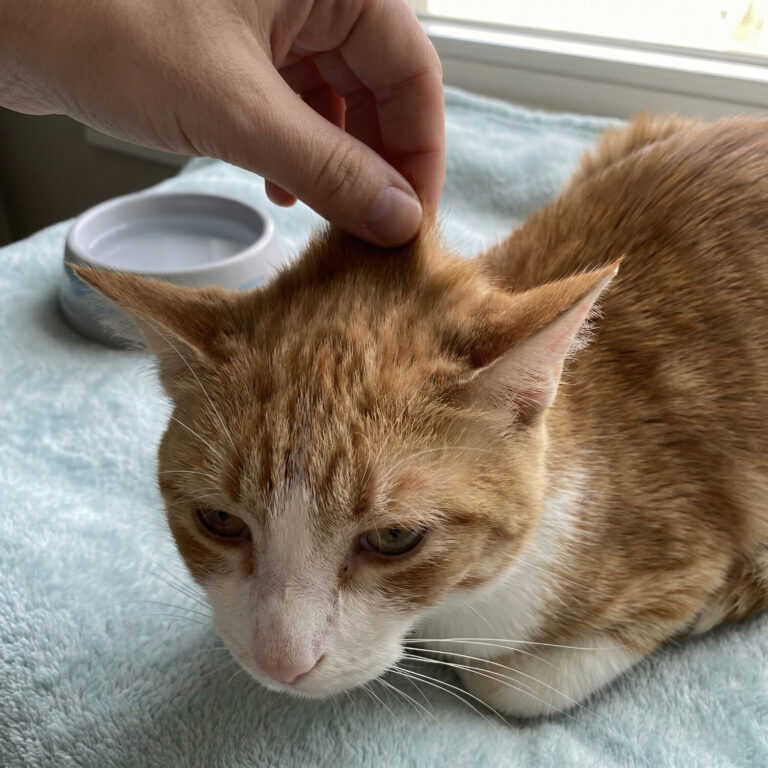
Dehydration in cats occurs when a cat loses more fluid than it takes in, leading to an imbalance of electrolytes. The most common signs include sticky or dry gums, loss

Cats shed more in spring and autumn due to a biological response to the amount of daylight, known as the photoperiod. In spring, increased daylight triggers cats to shed their