
Dogs
What Causes Sudden Fear in Dogs?
Sudden fear in dogs is often caused by unexpected loud noises (thunder, fireworks), sudden medical pain or injury, or age-related changes like failing vision or Canine Cognitive Dysfunction (dementia). It

Sudden fear in dogs is often caused by unexpected loud noises (thunder, fireworks), sudden medical pain or injury, or age-related changes like failing vision or Canine Cognitive Dysfunction (dementia). It

Dogs dig on beds and couches primarily due to ancestral instincts. This behavior, often called “denning” or “nesting,” mimics how wild ancestors dug into the earth to create a comfortable,
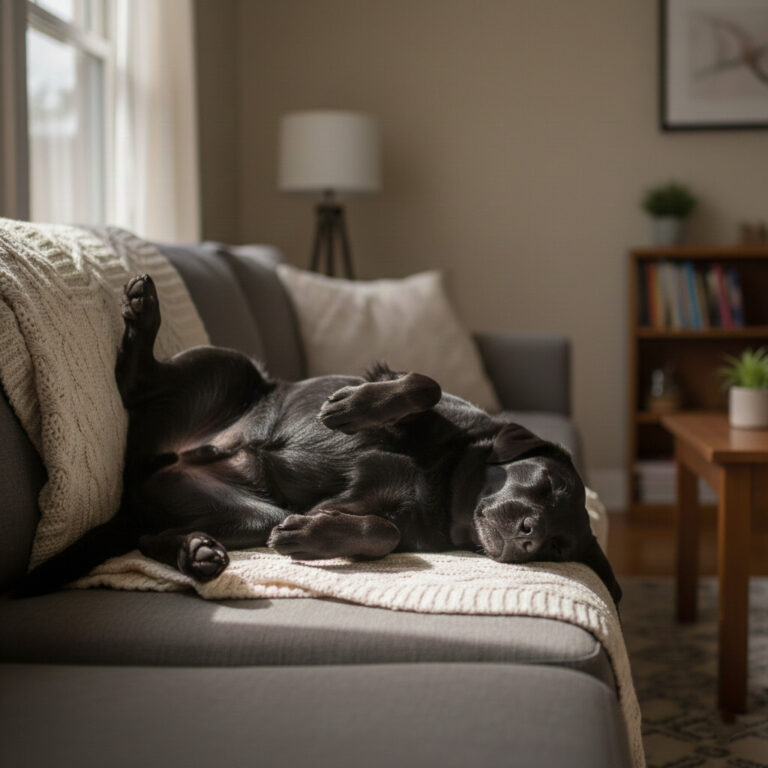
Dogs sleep on their backs primarily to regulate body temperature and cool down, as their bellies have thinner fur and sweat glands are located in their paws. This position also
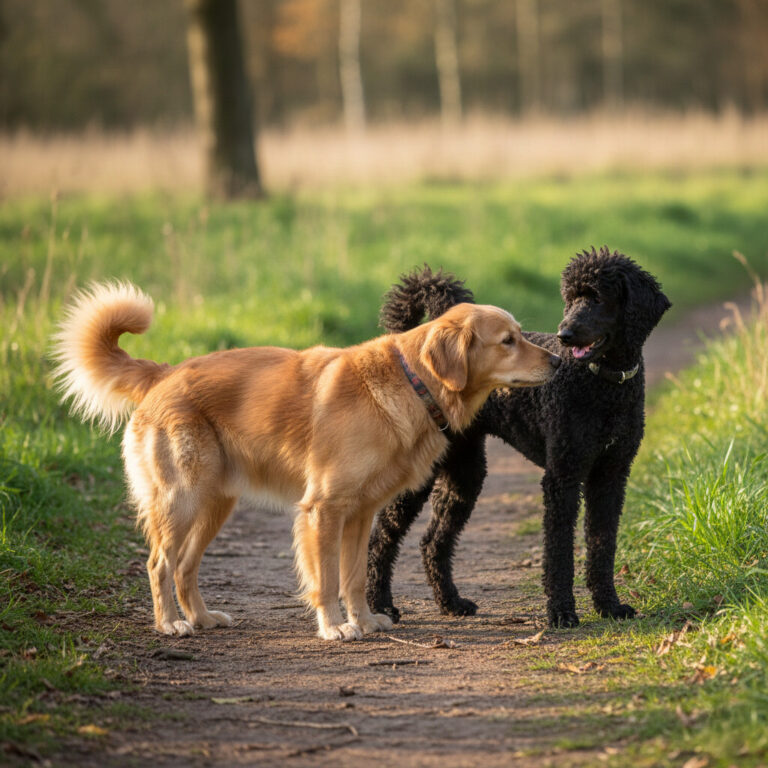
Dogs sniff each other primarily to gather vital social and biological information. Through a specialized scent-processing system involving the Jacobson’s organ, dogs detect pheromones released from another dog’s anal glands.
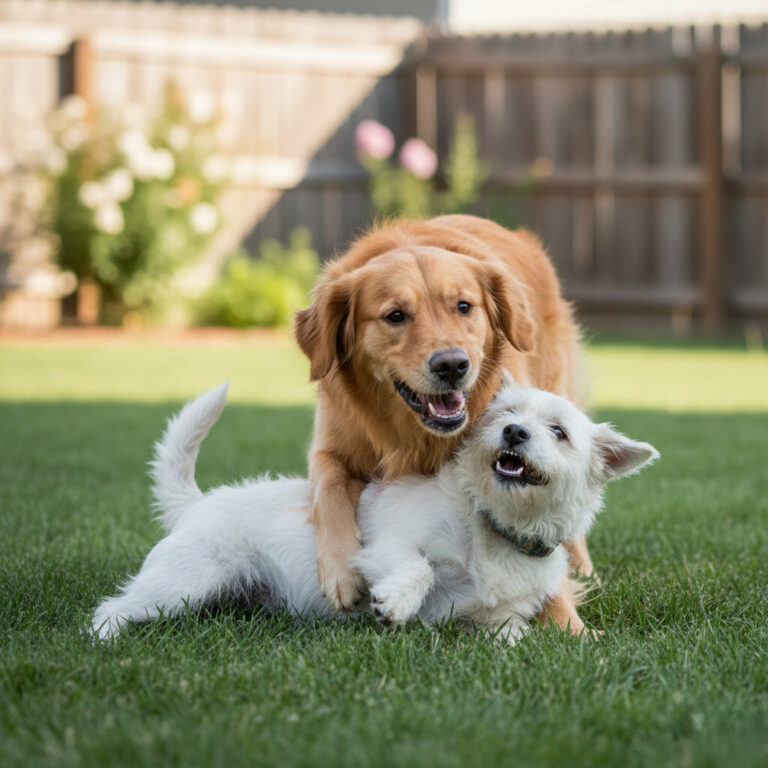
When a dog growls while playing, it is usually a sign of excitement and enjoyment, not aggression. This vocalization is a normal part of canine play behavior, often heard during
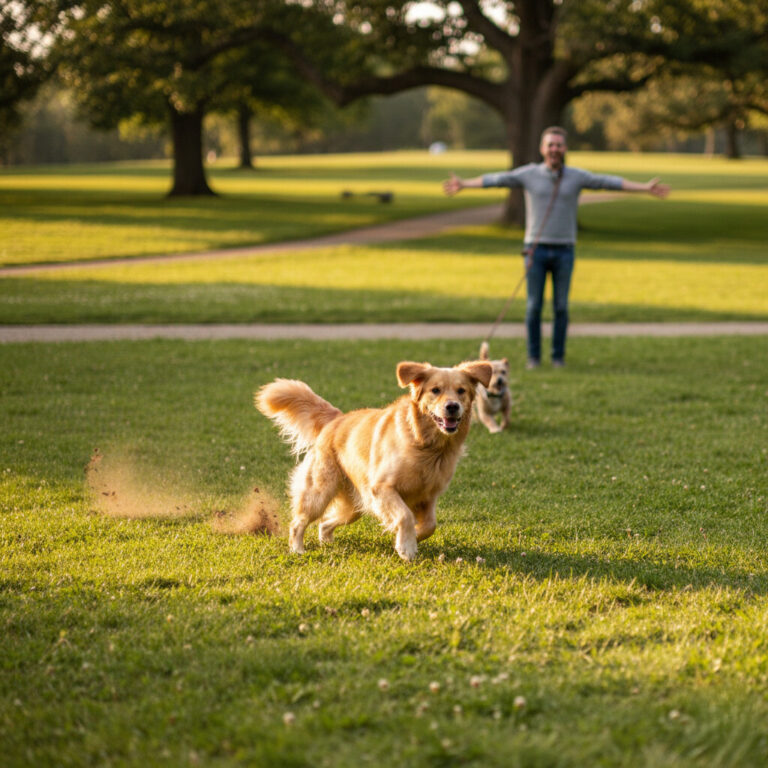
Dogs get “zoomies,” scientifically known as Frenetic Random Activity Periods (FRAPs), to release pent-up energy, relieve stress, or express pure joy. Common triggers include bath time, defecation, late-night spurts of

Dogs lean on people primarily to express affection, seek comfort, or feel secure. Because dogs are pack animals, physical contact helps them bond and feel safe. While often compared to
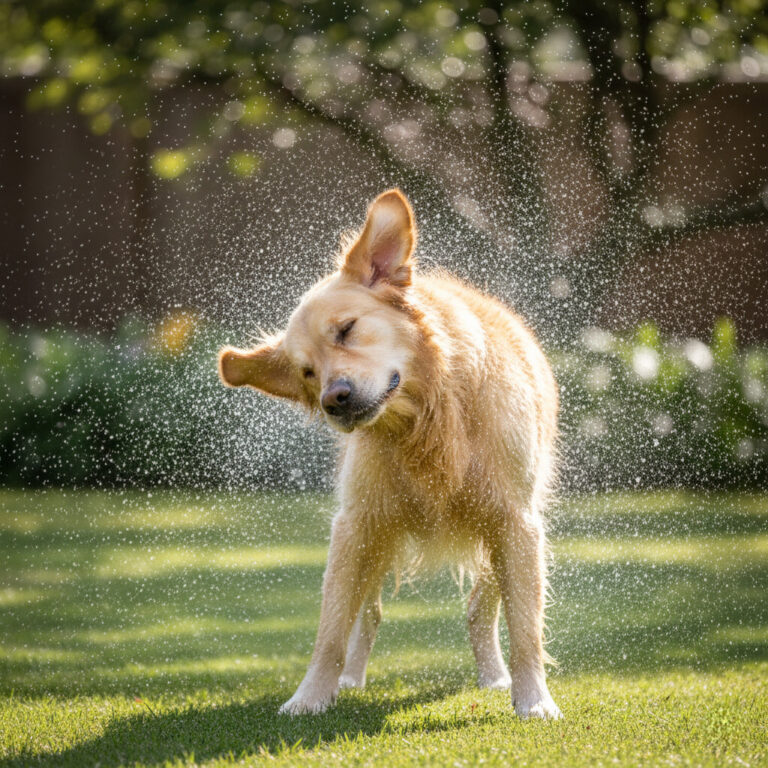
Dogs shake after a bath primarily to dry off quickly and prevent hypothermia. This “wet dog shake” is an instinctual reflex that removes up to 70% of water from their

A dog sigh usually means one of two things, depending on their facial expressions and body language. If your dog sighs with half-closed eyes and a relaxed body, it is
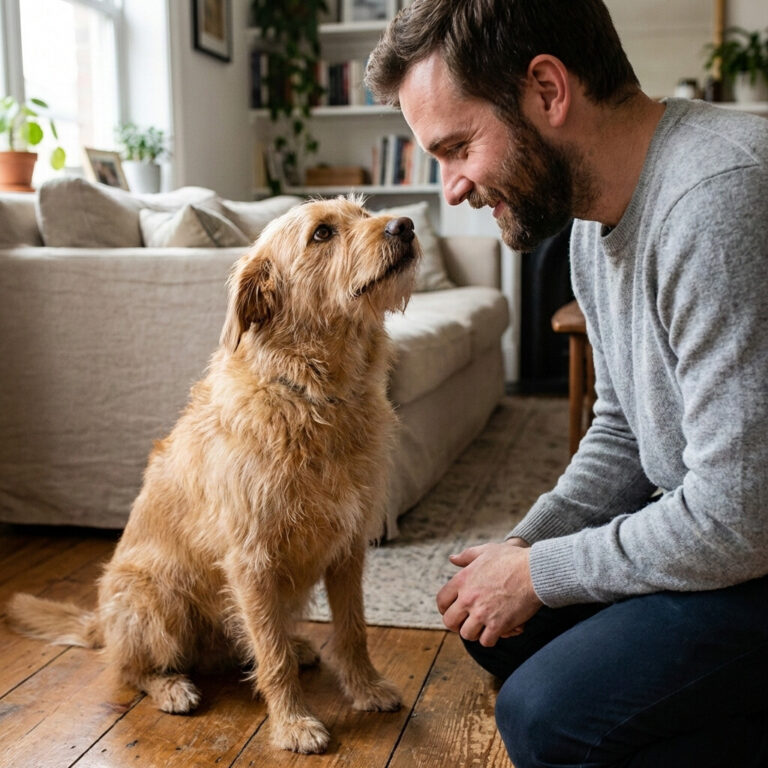
Dogs stare at their owners primarily to communicate needs or emotions. The most common reason is affection; staring releases oxytocin (the “love hormone”) in both the dog and the human,
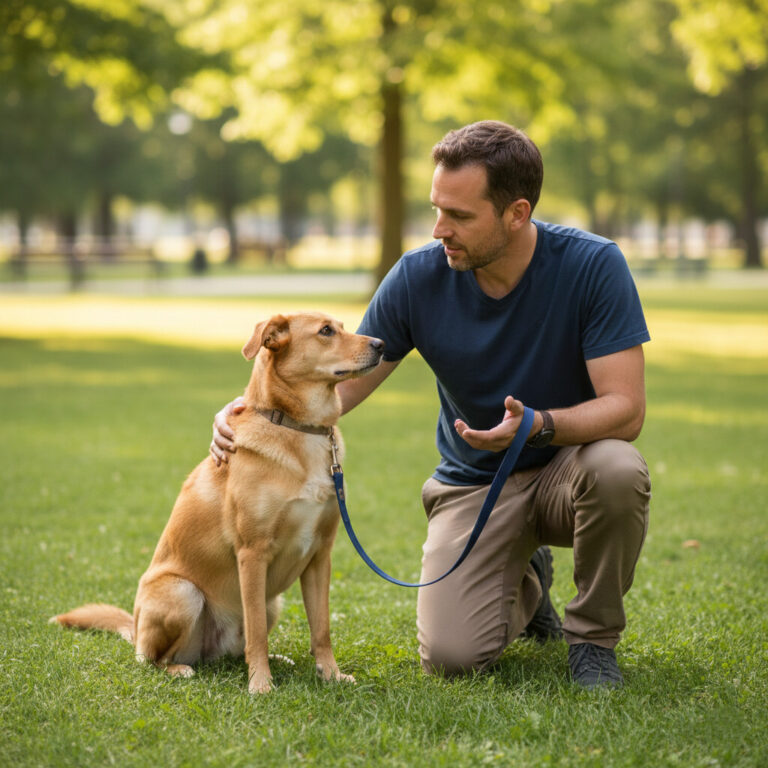
Dog psychology is the study of how canines think, feel, and learn. Unlike wolves, dogs do not strictly follow a linear “alpha” hierarchy but live in family-oriented social groups. Their
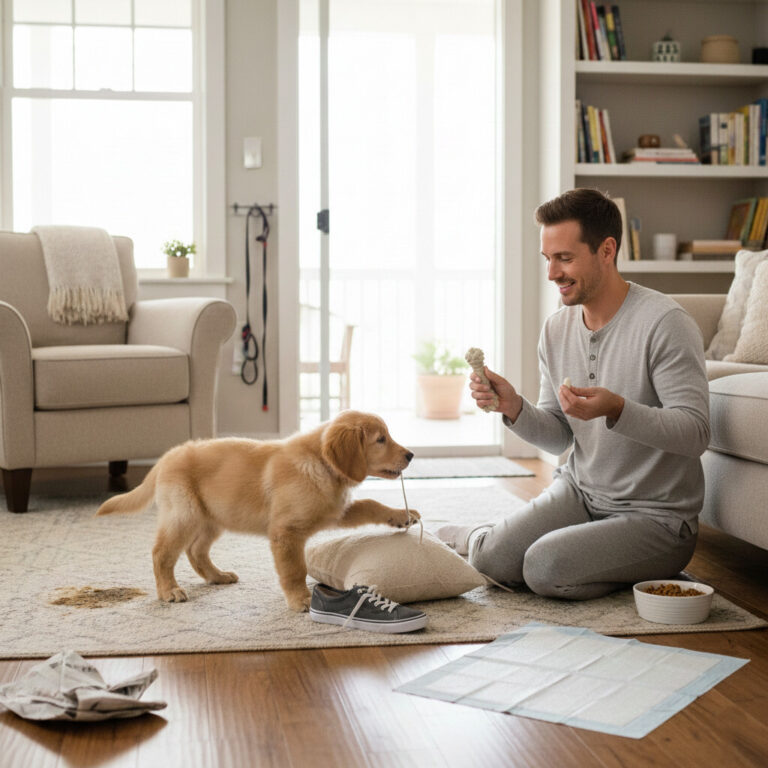
To fix common puppy behavior problems like biting, chewing, and accidents, you must rely on consistency, supervision, and positive reinforcement. Use a crate to manage potty training, redirect chewing to