Dogs
Dog Behavior & Psychology
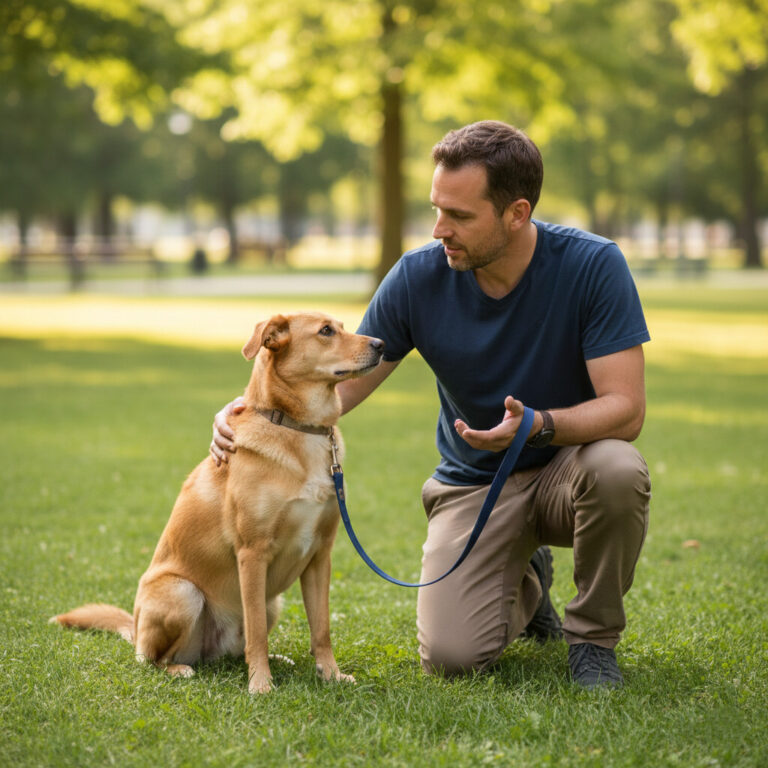
Dog psychology is the study of how canines think, feel, and learn. Unlike wolves, dogs do not strictly follow a linear “alpha” hierarchy but live in family-oriented social groups. Their

Dog psychology is the study of how canines think, feel, and learn. Unlike wolves, dogs do not strictly follow a linear “alpha” hierarchy but live in family-oriented social groups. Their
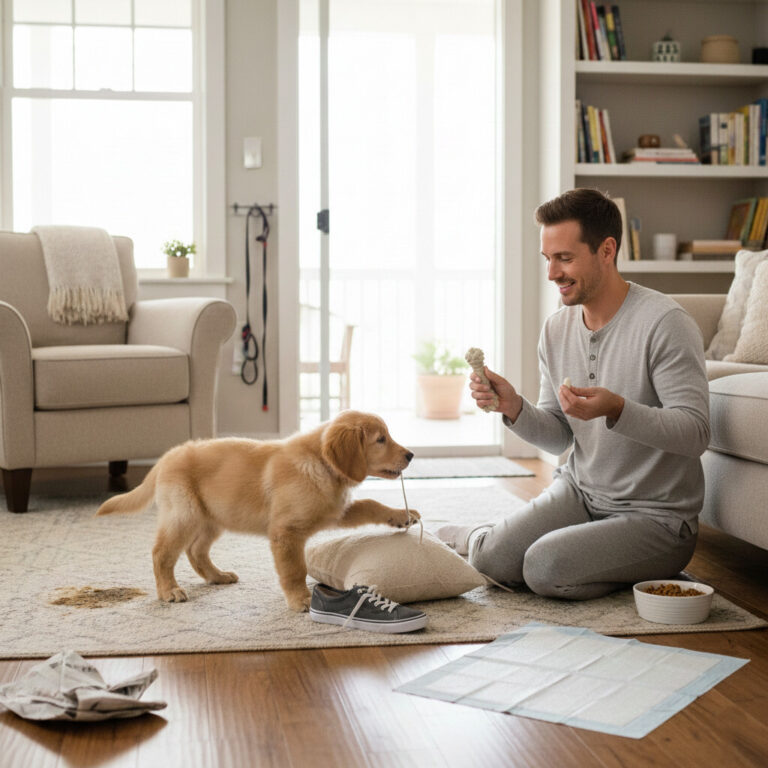
To fix common puppy behavior problems like biting, chewing, and accidents, you must rely on consistency, supervision, and positive reinforcement. Use a crate to manage potty training, redirect chewing to
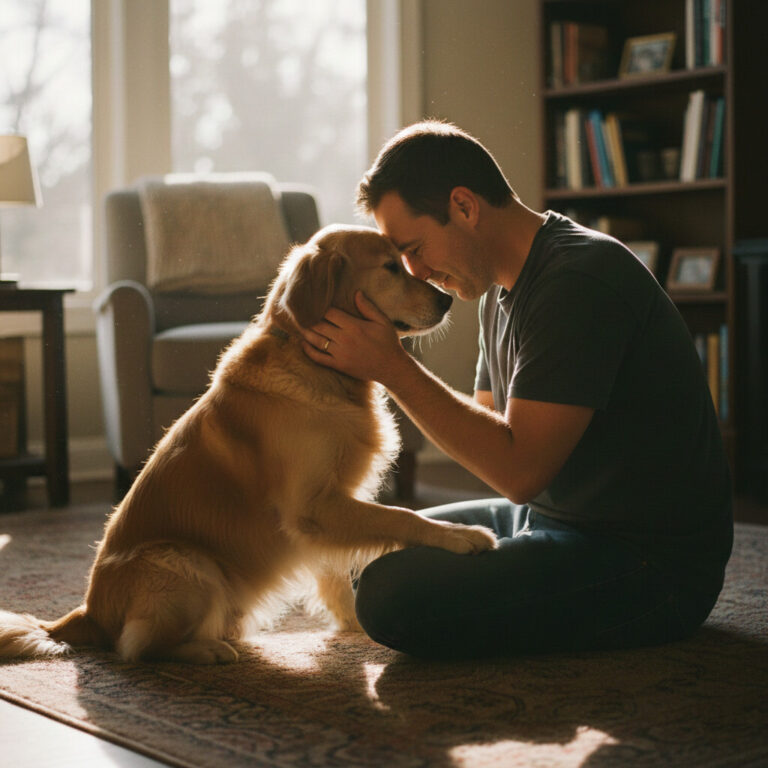
Dogs bond with humans through a unique biological feedback loop involving oxytocin, often called the “love hormone.” When a dog and a human gaze into each other’s eyes, both brains
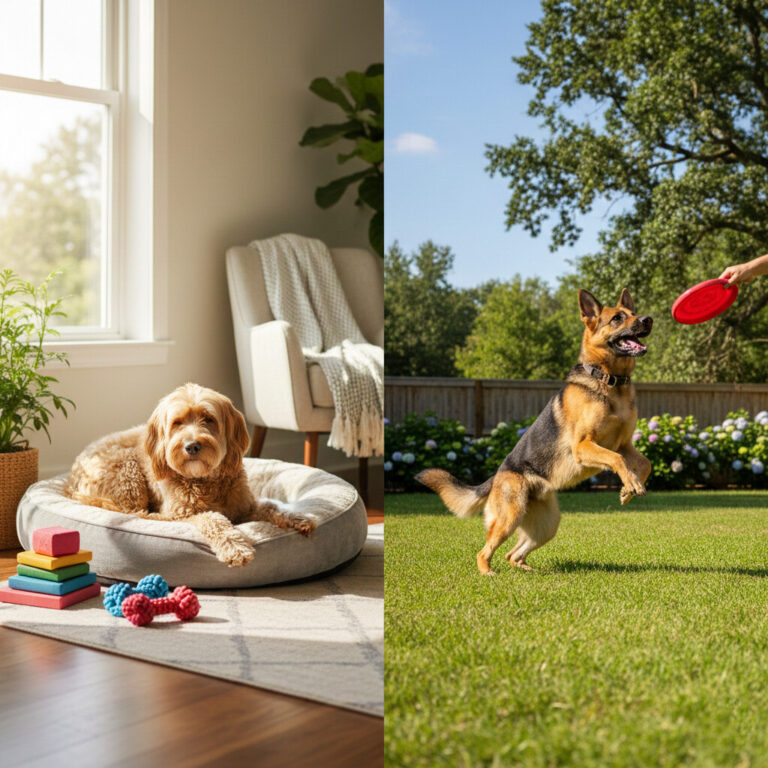
The consensus among veterinarians and animal behaviorists is that dogs generally thrive best as indoor pets with regular outdoor access. Dogs are social pack animals that require daily interaction with
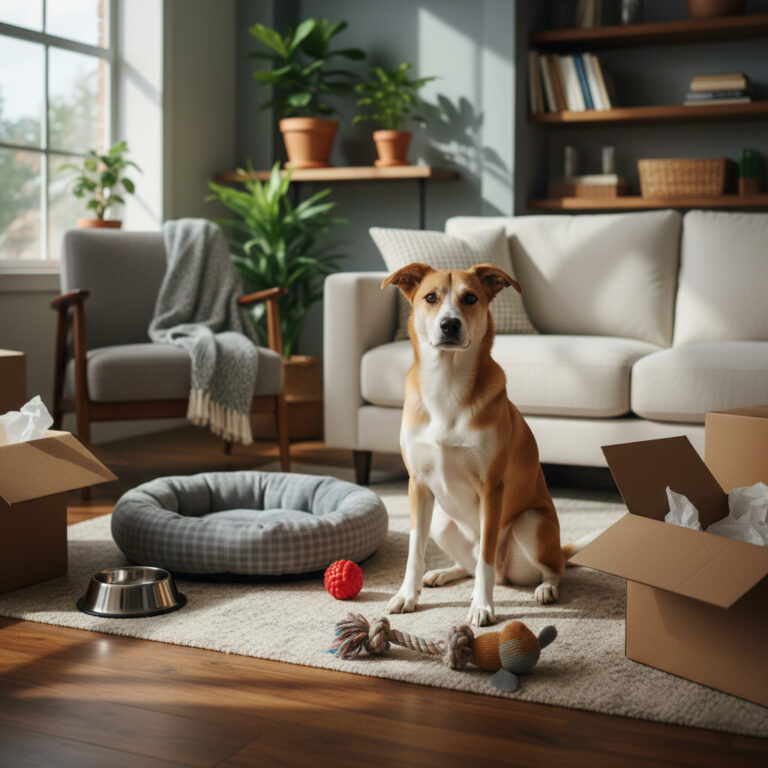
Most dogs adapt to a new home by following the 3-3-3 Rule: 3 days to decompress, 3 weeks to learn the routine, and 3 months to feel fully at home.
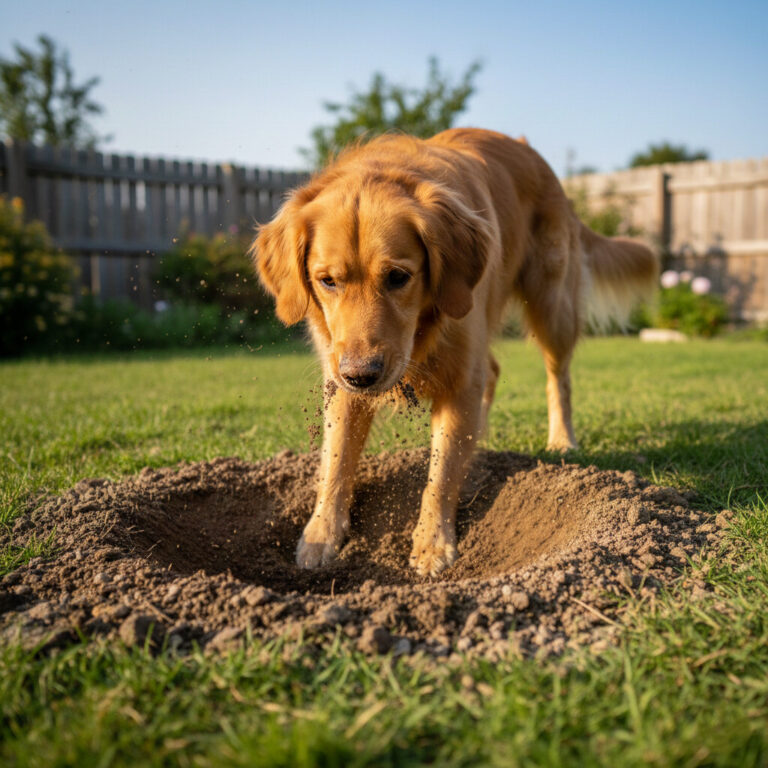
Dogs dig holes primarily due to instinct, boredom, or physical comfort. They may dig to cool off in fresh dirt, hunt burrowing animals, bury “valuables” like bones, or relieve separation
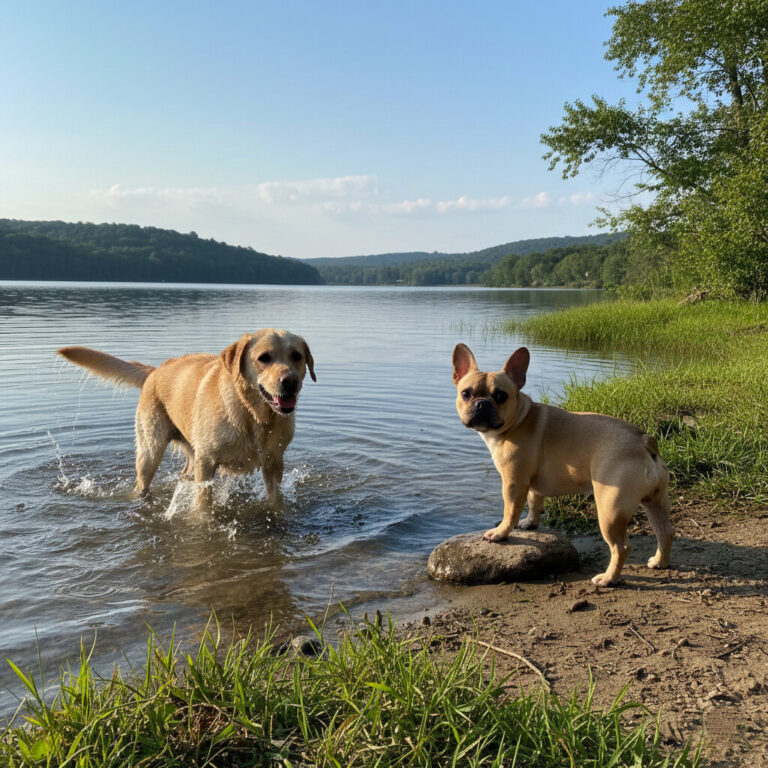
Whether a dog loves or hates water largely depends on genetics, anatomy, and past experiences. Breeds like Retrievers and Spaniels were historically bred for water work and possess physical traits
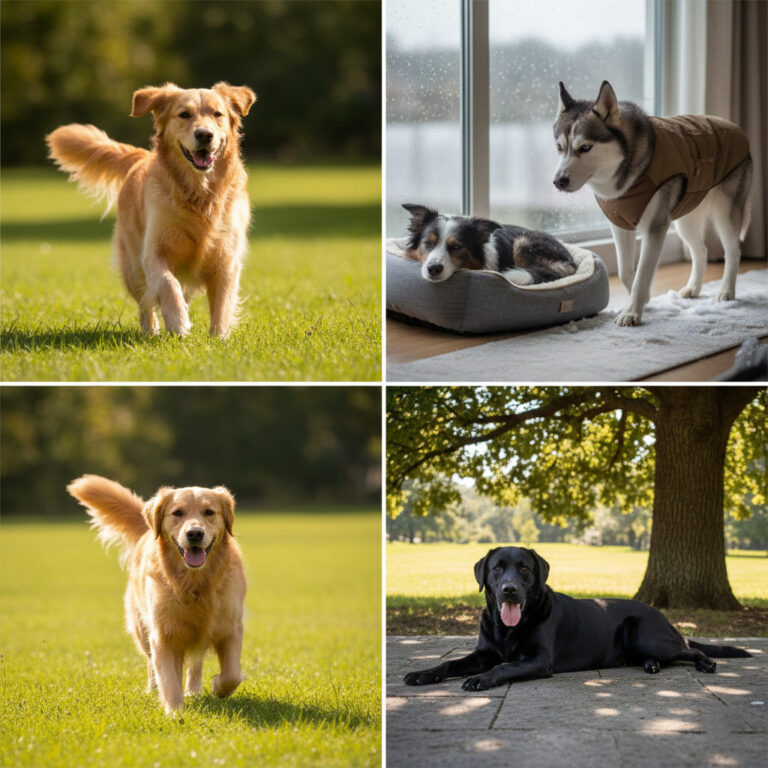
Dogs are sensitive to weather changes often before humans even notice the sky turning gray. Research indicates that shifts in barometric pressure, static electricity, temperature, and wind speed can significantly
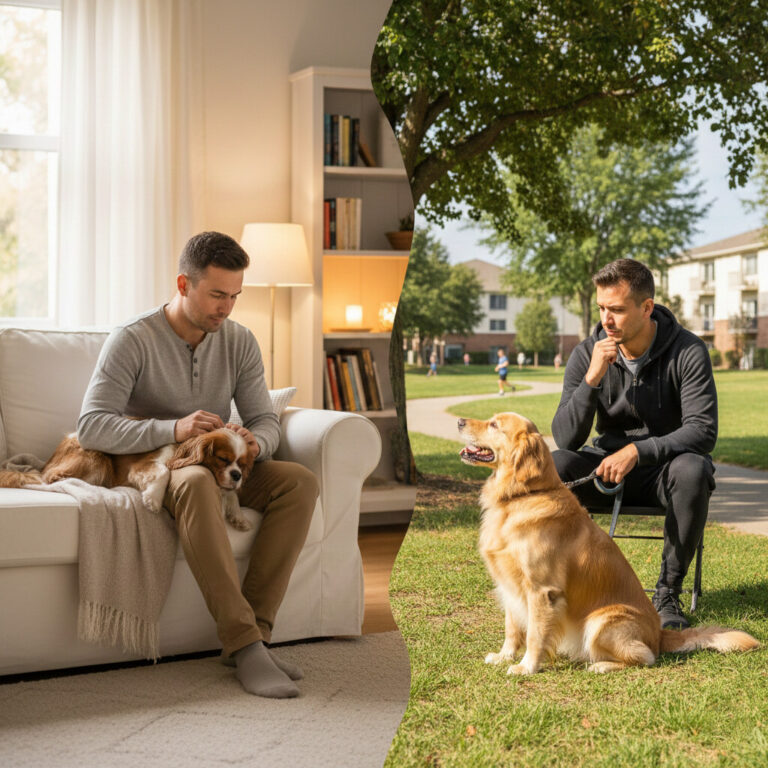
To choose the right dog for your lifestyle, you must evaluate four key areas: your activity level (active vs. sedentary), your living space (apartment vs. house with a yard), your

The main difference between a Working Dog and a Companion Dog is their purpose and energy level. Working dogs (like Shepherds, Collies, and Huskies) are bred to perform specific tasks
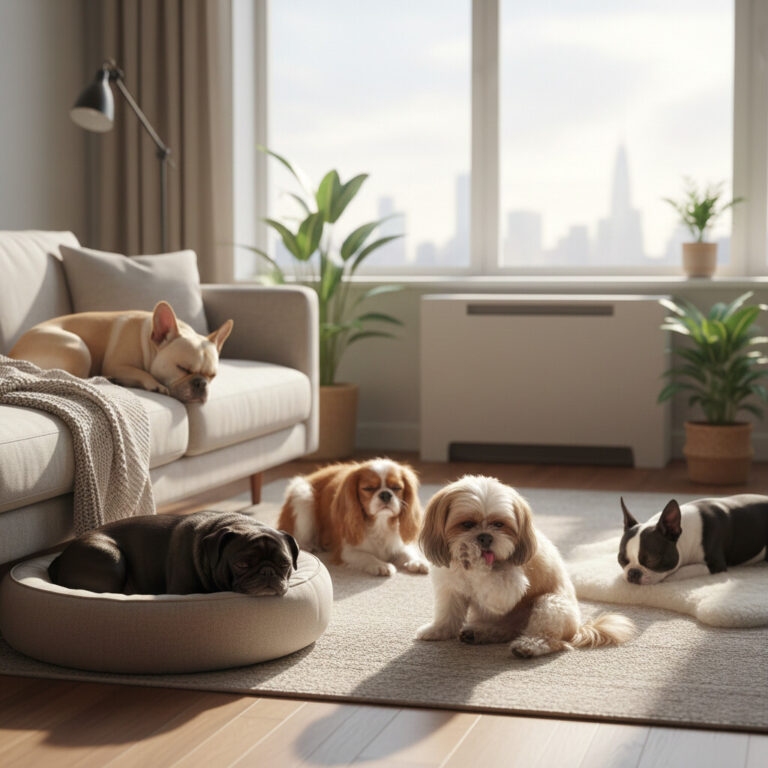
The best dog breeds for apartment living are those that are adaptable, possess moderate to low energy levels, and are generally quiet. Top choices include the French Bulldog, Cavalier King
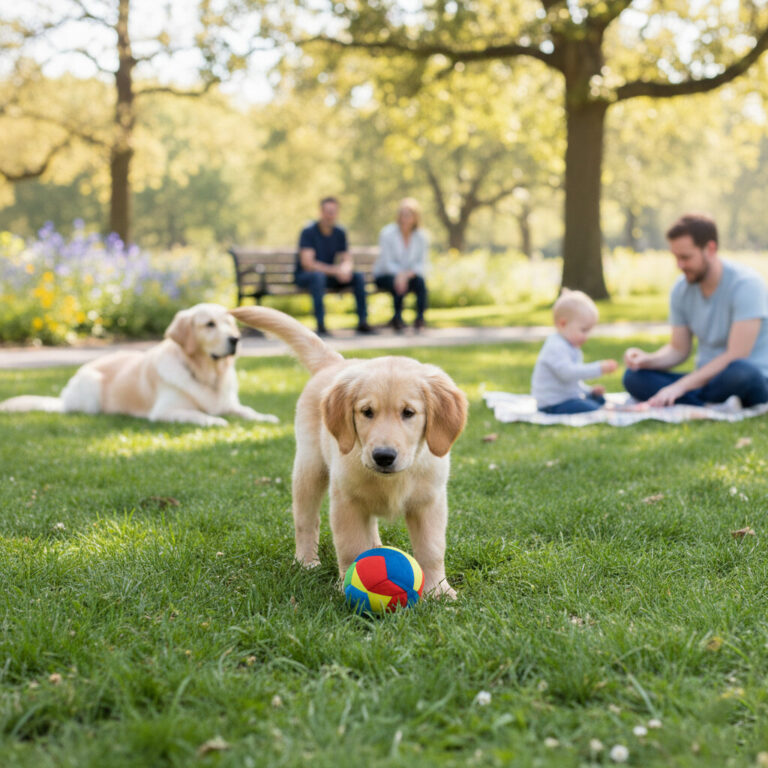
Puppy socialization is the process of safely exposing a young dog to new people, animals, environments, and sounds during their critical developmental window (typically 3 to 14 weeks of age).