
Cats
How Long Do Kittens Sleep Each Day?
Kittens generally sleep between 18 and 22 hours per day. Newborn kittens sleep almost constantly, waking only to nurse. As they mature into older kittens (around 3 to 6 months),

Kittens generally sleep between 18 and 22 hours per day. Newborn kittens sleep almost constantly, waking only to nurse. As they mature into older kittens (around 3 to 6 months),

Most kittens begin to open their eyes between 7 and 10 days after birth. The process is gradual and usually takes about two to three days to complete fully. By
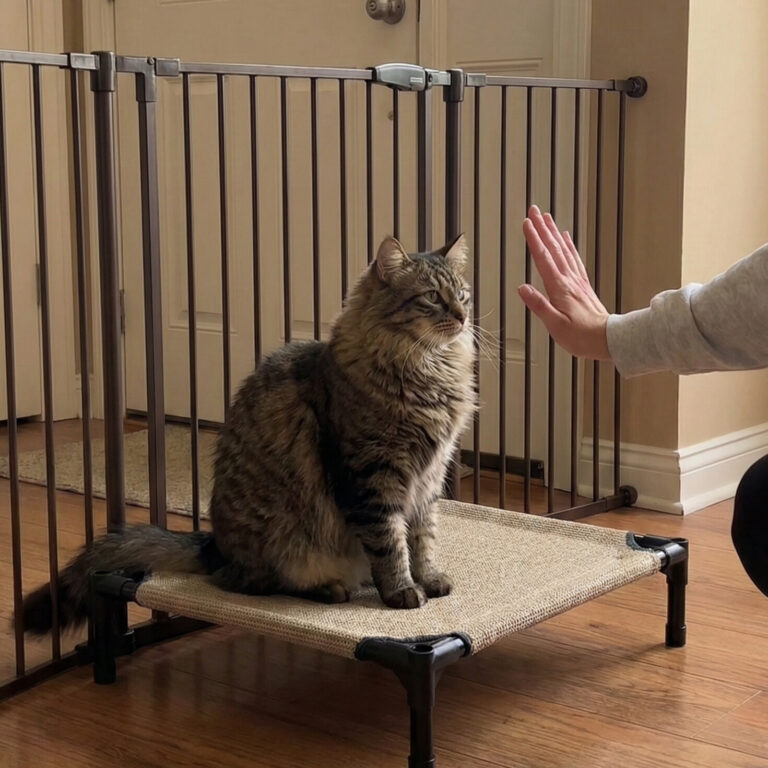
To stop a cat from door dashing you must combine management techniques with positive reinforcement training. Start by spaying or neutering your cat to reduce hormonal roaming urges and install

Kittens learn social skills primarily during a critical socialization window between 2 and 7 weeks of age. They acquire these skills through three main channels: observation and discipline from their
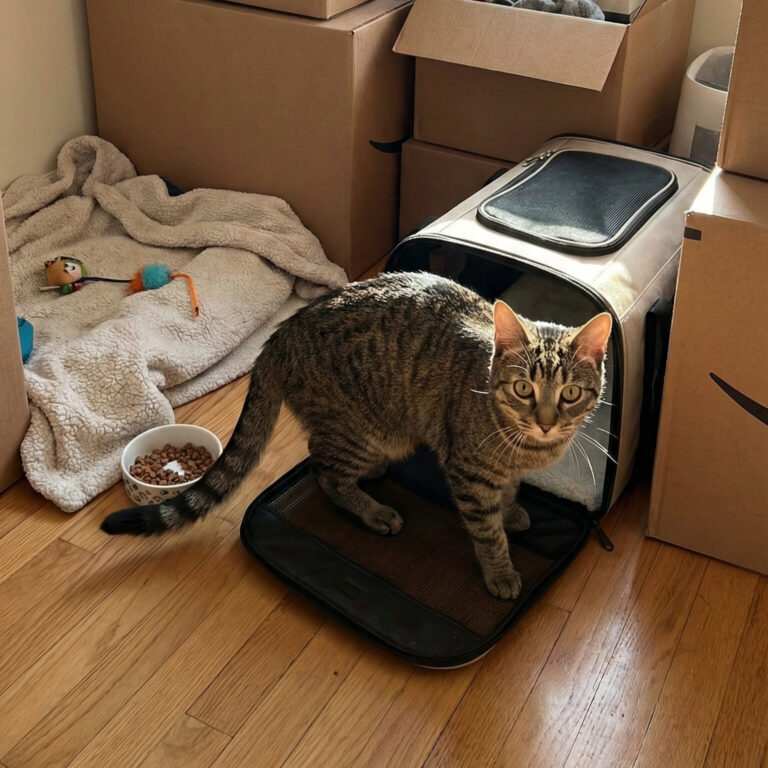
To help a cat adjust after moving homes, start by setting up a dedicated “safe room” in the new house with their litter box, food, water, and bedding before letting

To reduce aggression between household cats, first separate them to de-escalate tension. Reintroduce them slowly using scent swapping and visual barriers. Ensure each cat has its own resources, including food

To stop a cat from waking you at night you must reset their internal body clock by simulating a hunt before bed. Engage them with intense interactive play using a

To stop a cat from jumping on counters, you must combine management techniques with environmental enrichment. First, remove all food rewards by keeping counters clean and storing food in airtight

Yes, cats can learn their names. Research confirms that domestic cats can distinguish their own names from other spoken words, names of other pets, and even strangers’ voices. While they
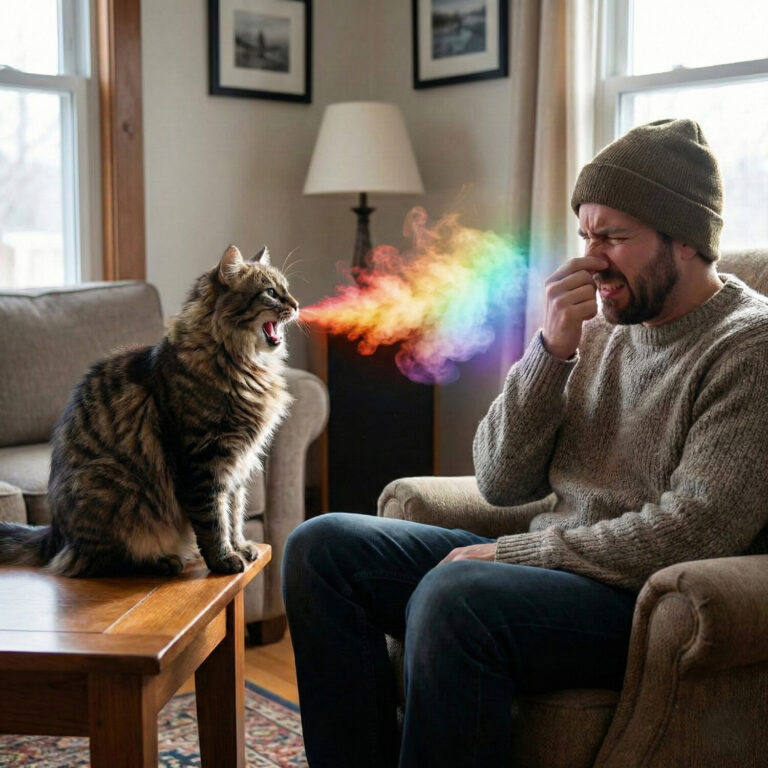
Bad breath in cats, also known as halitosis, is most commonly caused by dental issues like periodontal disease, plaque buildup, and gingivitis. However, persistent foul breath can also be a
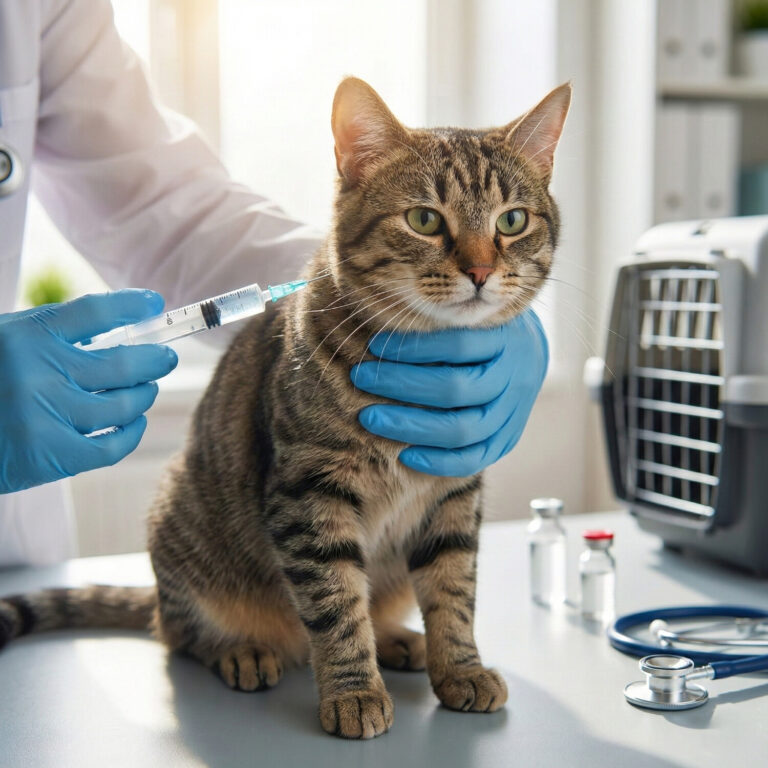
Adult cats generally need core vaccines (FVRCP and Rabies) every one to three years depending on the vaccine type and local laws. Kittens require a series of shots starting at
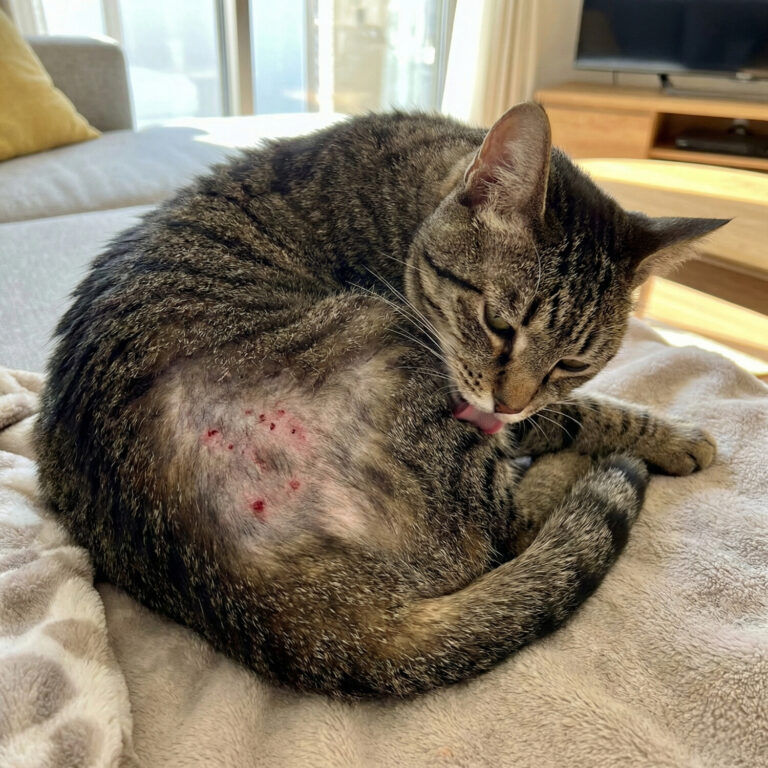
How Do I Know If My Cat Has Skin Allergies? To detect skin allergies in cats, look for excessive scratching, licking, or chewing of the fur. Common physical signs include