
Cats
Can Cats Eat Chicken?
Yes, cats can eat chicken. In fact, chicken is one of the healthiest human foods you can share with your feline friend. However, it must be prepared correctly—cooked thoroughly, unseasoned,

Yes, cats can eat chicken. In fact, chicken is one of the healthiest human foods you can share with your feline friend. However, it must be prepared correctly—cooked thoroughly, unseasoned,
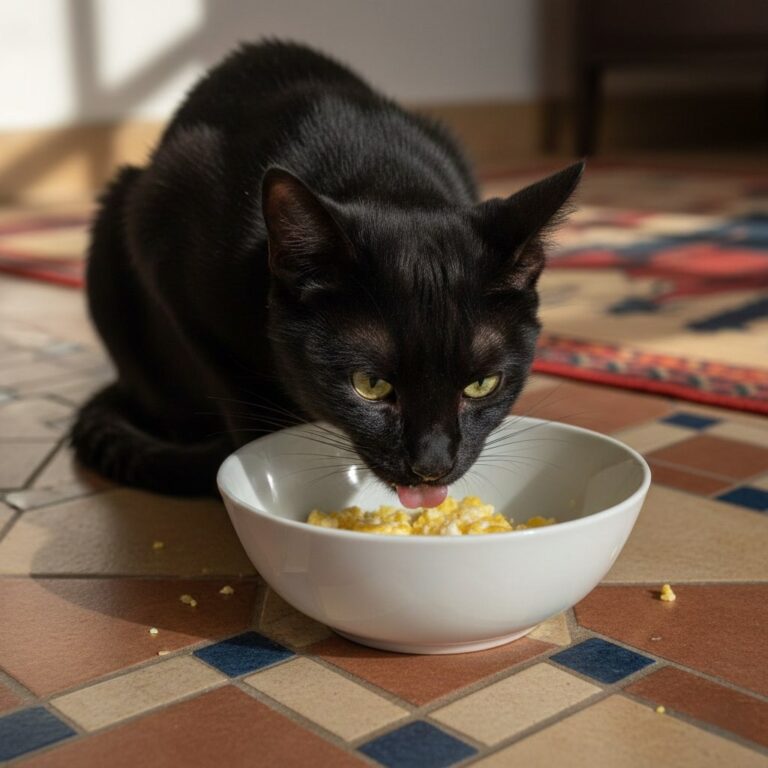
Yes, cats can eat eggs, but they must be fully cooked. Eggs are a great source of protein and amino acids for cats. However, you should never feed raw eggs

Yes, cats can eat small amounts of plain, baked bread. It is generally not toxic to them, but it offers no nutritional value and acts as “empty calories.” You must

Cats sleep above your head on your pillow primarily for warmth, as heat rises and escapes from the top of your human head. Additionally, this position offers them security by

Yes, cats can eat tuna, but only in moderation as an occasional treat. It should never replace their regular diet. While tuna offers protein and omega-3s, eating too much can
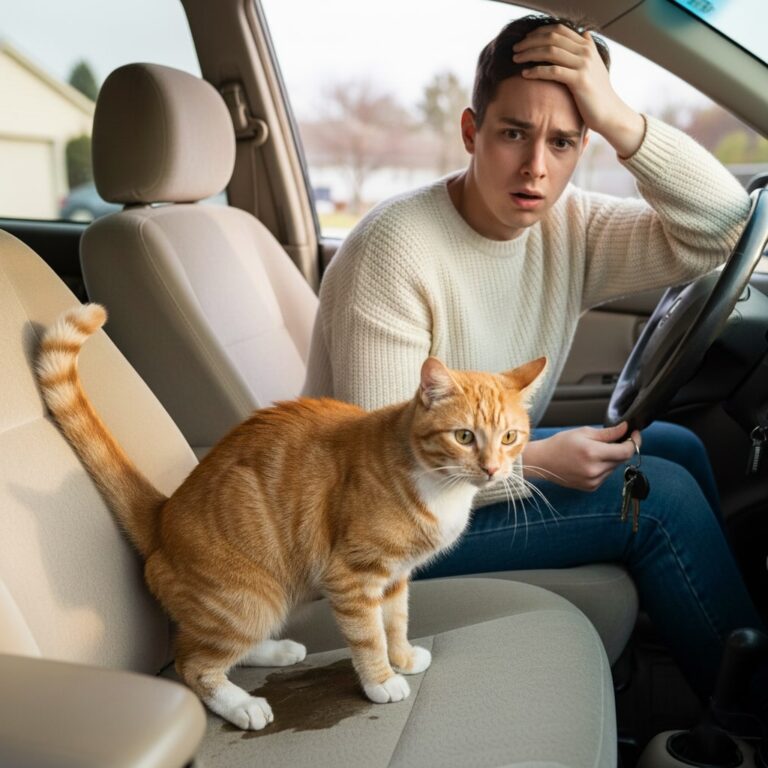
To get cat pee out of a car, immediately blot up as much liquid as possible with paper towels. Do not rub. Next, saturate the area with an enzymatic cleaner

Yes, cats can eat popcorn, but only if it is fully popped, plain, and unsalted. Popcorn itself is not toxic to cats, but common toppings like butter, salt, caramel, and

Yes, cats can eat broccoli. It is safe, non-toxic, and can be a healthy treat in moderation. Broccoli is best served steamed or boiled and cut into small pieces to

Generally, no, cats should not eat cheese. While it is not usually toxic, most adult cats are lactose intolerant. Eating cheese can lead to digestive problems like diarrhea, vomiting, and
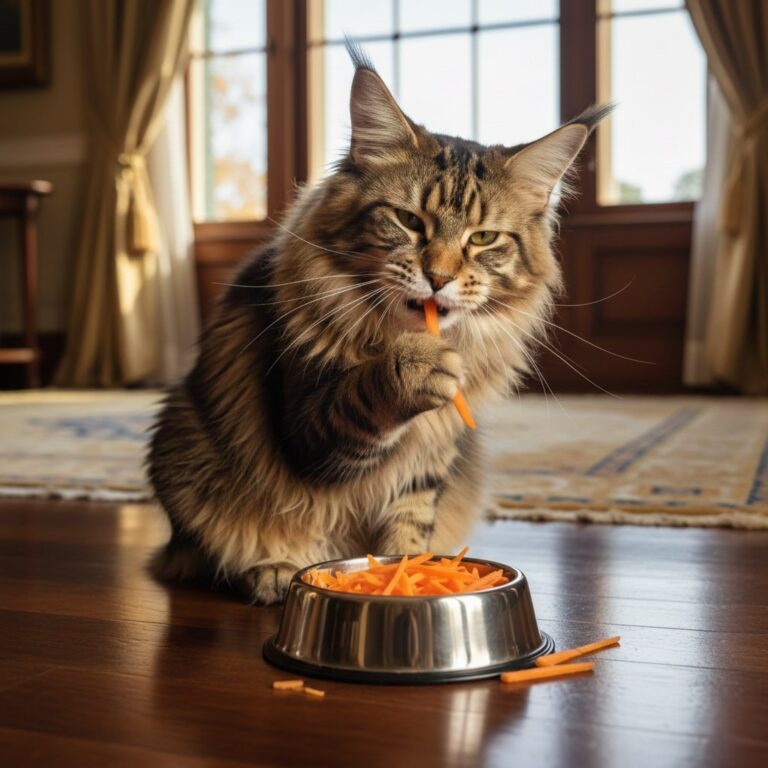
Yes, cats can eat carrots. Carrots are non-toxic and safe for cats when given in moderation. However, cats are obligate carnivores, so they do not require vegetables in their diet.

No, you should not give paprika to cats. While it is not toxic or fatal in small amounts, paprika contains capsaicin, which causes mouth irritation, stomach upset, and digestive pain.
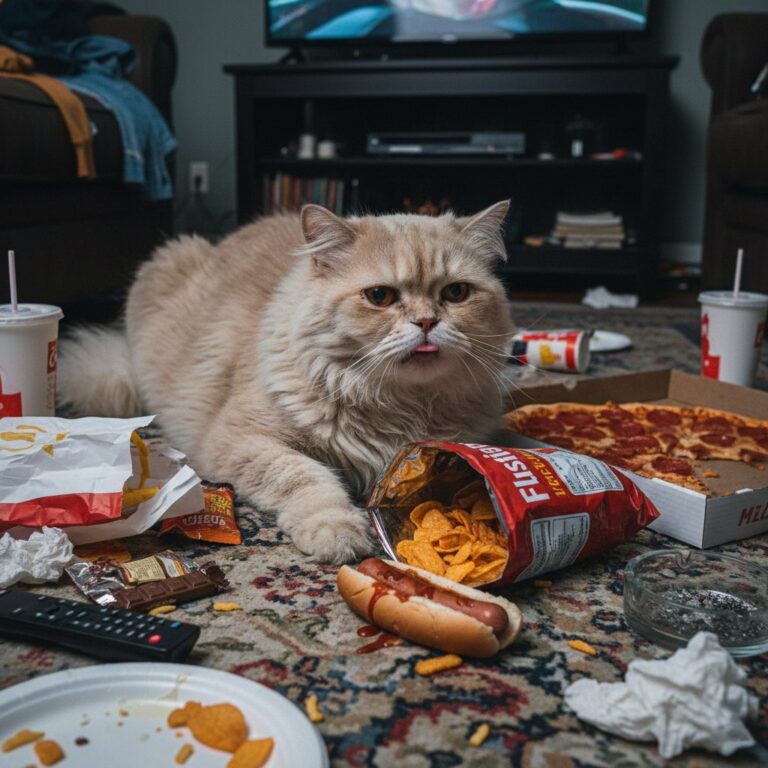
Feeding cats human junk food long-term causes serious, life-shortening health problems. High levels of salt, fat, and sugar lead to obesity, diabetes, pancreatitis, and kidney failure. Because cats are obligate