
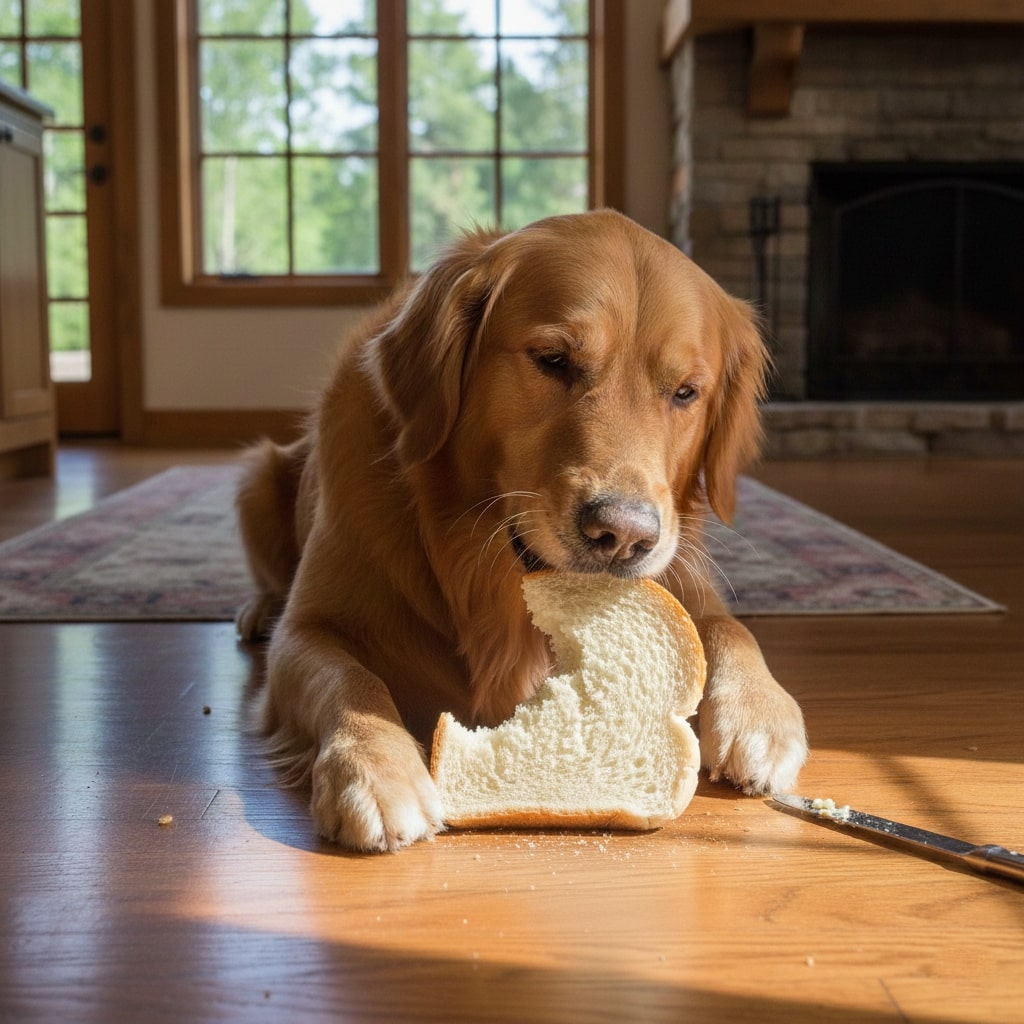
Yes, dogs can eat bread, but only in moderation and if it is plain. Plain white or whole wheat bread is generally safe for most healthy dogs as an occasional treat. However, bread offers no nutritional value for dogs and is full of empty carbohydrates. Never feed your dog bread containing raisins, garlic, onions, macadamia nuts, or artificial sweeteners (xylitol), as these are toxic. Also, raw bread dough is extremely dangerous and requires immediate veterinary attention.
Summary Table
| Type of Bread | Safe for Dogs? | Notes & Risks |
| Plain White Bread | Yes | Safe in small amounts. High in sugar/carbs. |
| Whole Wheat Bread | Yes | Better than white, but still high carb. Check for allergies. |
| Sourdough | Caution | Baked is okay occasionally; Raw dough is fatal. |
| Raisin Bread | NO | TOXIC. Raisins cause kidney failure. |
| Garlic/Onion Bread | NO | TOXIC. Causes anemia (red blood cell damage). |
| Banana Bread | Caution | High sugar; dangerous if it contains nuts or chocolate. |
| Raw Dough | DANGER | EMERGENCY. Causes bloating and alcohol poisoning. |
Is Bread Safe for Dogs?
For the vast majority of dogs, a small piece of plain baked bread is not harmful. Think of bread as a “filler” food—it fills their stomach but doesn’t give them the vitamins or proteins they need to stay healthy.
Read Also: Can Dogs Eat Chicken?
White vs. Whole Wheat
- White Bread: Generally safe but high in sugar and simple carbs. It can spike your dog’s blood sugar.
- Whole Wheat: A slightly better option because it has fiber, but it should still be strictly limited.
Tip: If your dog is overweight or diabetic, you should avoid feeding them bread entirely.
When Is Bread Dangerous? (Toxic Ingredients)
The bread itself isn’t usually the problem—it is the extra ingredients we add for flavor. Always check the label before sharing a bite.
1. Raisins and Grapes
Raisin bread is one of the most dangerous foods for dogs. Even a few raisins can cause sudden kidney failure. This is a life-threatening emergency.
2. Garlic and Onions
Garlic bread (or bread like focaccia topped with onions) is toxic. Garlic and onions damage a dog’s red blood cells, leading to anemia. Symptoms like weakness and pale gums may not show up for a few days.
3. Xylitol (Artificial Sweetener)
Many “diet” or “sugar-free” breads (and some peanut butters) contain Xylitol. This is incredibly toxic to dogs. It causes a rapid drop in blood sugar (hypoglycemia) and liver failure.
4. Nuts and Seeds
- Macadamia Nuts: Highly toxic; affects nerve function.
- Walnuts/Pecans: Can cause gastric upset or obstruction.
- Seeds: Small seeds usually pass through, but large amounts can irritate the stomach.
Read Also: Can Dog Eat Strawberry Ice Cream?
The Hidden Killer: Raw Bread Dough
This is the most critical safety warning for dog owners. You must never let your dog eat raw yeast dough.
If a dog swallows raw dough, two dangerous things happen in their stomach:
- The Dough Expands: The warm environment of the stomach causes the yeast to rise. This can stretch the stomach rapidly, cutting off blood flow and potentially causing GDV (Bloat), a fatal twisting of the stomach.
- Alcohol Poisoning: As yeast ferments, it produces ethanol (alcohol). This enters the dog’s bloodstream rapidly, leading to alcohol toxicosis.
Symptoms of Raw Dough Ingestion:
- Distended (swollen) hard stomach
- Retching (trying to vomit but nothing comes up)
- Staggering or acting “drunk”
- Seizures
Immediate Action: If your dog eats raw dough, go to the emergency vet immediately.
Health Risks of Overfeeding Bread
Even if the bread is plain and “safe,” feeding it too often can cause chronic health issues.
- Obesity: Bread is calorie-dense. An inactive dog can gain weight quickly, putting stress on their joints.
- Diabetes: The high glycemic index of white bread causes insulin spikes.
- Tooth Decay: The sugars in bread can stick to a dog’s teeth, promoting decay.
- Wheat Allergies: Some dogs are allergic to gluten or wheat. Signs include itchy skin, ear infections, and vomiting after eating.
How to Safely Serve Bread to Dogs
If you want to give your dog a treat, here is the safest way to do it:
- Keep it Plain: No butter, jam, honey, or spices.
- Portion Control: A “treat” should be the size of a crouton for small dogs, or a single crust for large dogs.
- Check Ingredients: Scan the bag for xylitol, raisins, or spices.
Safe Alternatives to Bread
If you are looking for a healthier human food snack, try these instead:
- Carrot sticks (crunchy and good for teeth)
- Green beans (low calorie)
- Apple slices (without seeds)
- Plain cooked pumpkin (great for digestion)
Conclusion
Can dogs eat bread? Yes, occasionally and sparingly. Is it good for them? No.
While a dropped crust of toast won’t hurt your best friend, you should avoid making bread a regular part of their diet. Always prioritize high-quality protein treats over empty carbohydrates.