

It is a common question among pet owners: Can dogs be racist? While dogs do not understand the human concept of race or social prejudice, they can certainly show fear or aggression toward specific groups of people.
Here is a clearer breakdown of why this happens and how you can manage your dog’s behavior.
Do Dogs Experience Racism?
The short answer is no. Dogs do not have the capacity for “racism” in the way humans do. They don’t believe one group is superior to another. However, dogs are experts at pattern recognition.
If a dog acts differently toward people of a certain race, it is usually due to one of three things:
- Lack of Socialization: If a puppy only grows up around one type of person, anyone who looks or smells different can seem “scary” or “strange.”
- Scent and Appearance: Dogs rely on their sense of smell. They can associate specific scents or even clothing styles (like hats or uniforms) with strangers.
- Owner Anxiety: Dogs are very sensitive to their owners’ feelings. If an owner becomes tense or nervous around certain people, the dog will pick up on that energy and think there is a threat.
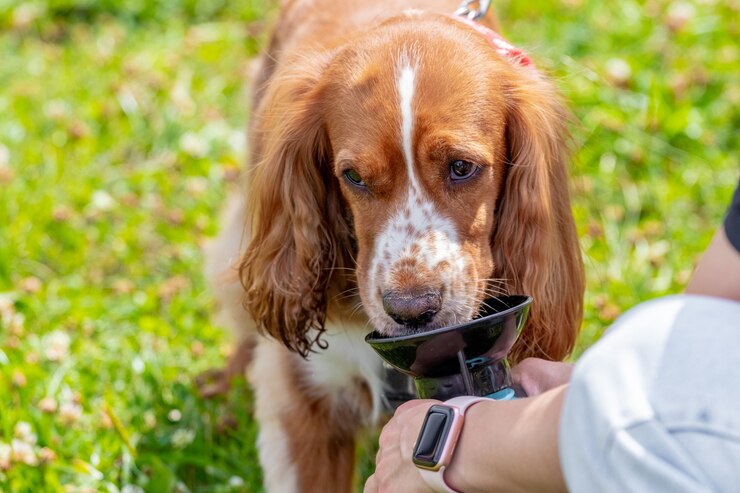
Why Dogs Might Act “Biased”
When a dog barks or growls at a specific group of people, it is usually a fear-based reaction, not a personal judgment.
- Protective Instincts: Dogs are natural protectors. If they haven’t met a diverse range of people, they may view “different-looking” strangers as a threat to the home.
- Observation: Dogs watch how we interact with others. They learn who is a “friend” and who is a “stranger” based on our body language.
- Past Trauma: In some cases, a rescue dog may have had a bad experience with a specific person in the past and may associate those traits with danger.
How to Prevent Biased Behavior
The best way to ensure your dog is friendly toward everyone is through early socialization.
- Introduce Variety Early: Expose puppies to people of all races, ages, and sizes.
- Diverse Environments: Take your dog to parks, stores, and events where they can see many different types of people in a calm setting.
- Positive Reinforcement: Give your dog treats when they remain calm and friendly around new people. This helps them associate “strangers” with “good things.”
How to Fix the Problem
If your dog is already showing signs of reacting poorly to specific groups of people, you can retrain them using these steps:
1. Identify the Trigger
Pay attention to exactly what makes your dog uncomfortable. Is it a certain skin tone, a deep voice, a specific scent, or even someone wearing a hat?
2. Use “Counter-Conditioning”
- When your dog sees a person who usually triggers them, give them a high-value treat before they have a chance to bark.
- This teaches the dog that the presence of that person means they get a reward.
3. Keep a Safe Distance
Don’t force your dog to interact with people if they are scared. Start at a distance where the dog feels safe and slowly move closer as they become more comfortable.
4. Manage the Environment
If you have guests over and your dog is not yet trained, use a crate or a separate room to keep everyone safe and reduce the dog’s stress.
Frequently Asked Questions
Q1. What’s the difference between racism and prejudice?
Prejudice is when someone thinks a certain race of people is inferior to another race of people. Racism is when someone thinks that a certain race of people is superior to another race of people.
Q2. Why do some dogs think that black people are dirty?
Some dogs think that black people are dirty because they have been the most oppressed in our society.
Q3. What is racism?
Racism is the belief that people are better than others because of their race.
Q4. Why would a dog be racist?
Dogs have been bred for centuries to be loyal to their owners. They have been bred to be friendly to people who look like them. Because of this, they are likely to have a preference for people with similar features to their own.
Q5. What are some signs that a dog may be racist?
Some signs that a dog may be racist are that the dog shows a preference for people with similar features to his or her owner. Another sign is when the dog reacts negatively to a person of a different race.
Q6. How can I help my dog overcome his or her racist tendencies?
It is important to try to understand why your dog is racist. Then, you can teach him or her to overcome it.
Conclusion
Dogs don’t judge us by our ethnicity; they judge us by how familiar we are and how we make them feel. By socializing your dog and staying calm yourself, you can help your pet become a friendly, confident companion to everyone they meet.