
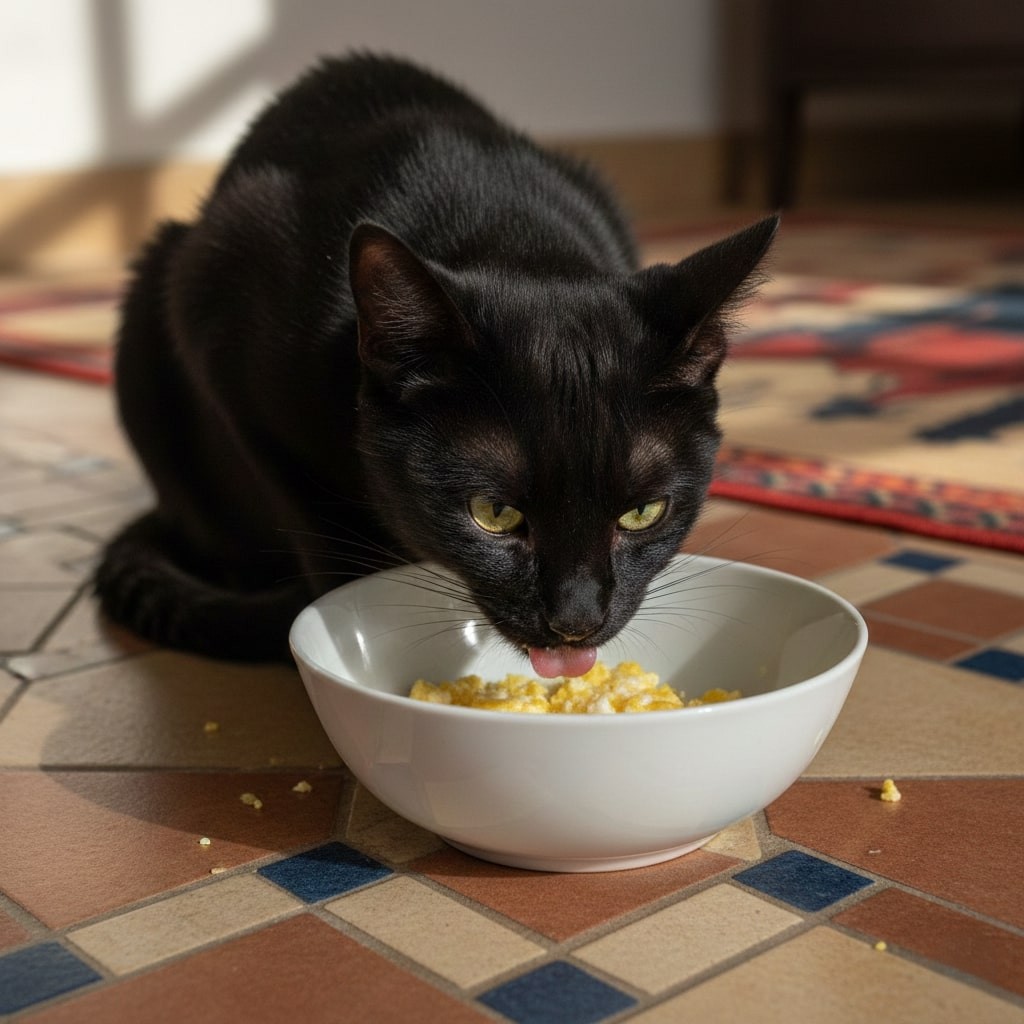
Yes, cats can eat eggs, but they must be fully cooked. Eggs are a great source of protein and amino acids for cats. However, you should never feed raw eggs to a cat due to the risk of Salmonella and E. coli. Eggs should be served plain, without salt, pepper, oil, or butter and only as an occasional treat, not a meal replacement.
Summary Table
| Feature | Safe for Cats? | Important Notes |
| Cooked Eggs | Yes | Scrambled or boiled; no seasoning/oil. |
| Raw Eggs | No | Risk of bacteria (Salmonella) and vitamin deficiency. |
| Egg Shells | Caution | Can be ground into powder for calcium (consult vet first). |
| Egg Whites | Yes | Cooked only. Good lean protein. |
| Egg Yolks | Yes | Cooked only. High in fat, so feed in moderation. |
| Frequency | Occasional | Once a week or as a small treat. |
Can Cats Have Eggs? A Complete Guide
As a cat owner, you might wonder if sharing your breakfast with your feline friend is safe. The short answer is yes, cats can eat eggs, but there are strict rules you need to follow to keep them safe and healthy.
Since cats are obligate carnivores (meaning they need animal protein to survive), eggs can be a nutritious supplement to their diet. However, they are not a replacement for high-quality cat food.
Read Also: Can Cats Eat Bread?
Benefits of Feeding Eggs to Cats
Eggs are packed with nutrients that are beneficial for cats. When prepared correctly, they offer:
- High-Quality Protein: Essential for muscle development and energy.
- Amino Acids: Eggs contain taurine and other amino acids vital for heart and eye health.
- Vitamins: Rich in Vitamin A, D, E, and B12.
- Minerals: Contains iron, selenium, and zinc which support the immune system.
The Dangers of Raw Eggs
You should never feed raw eggs to a cat. While wild cats might eat raw eggs from bird nests, domestic cats are safer sticking to cooked food.
1. Bacterial Infections
Raw eggs can carry dangerous bacteria like Salmonella and E. coli. These can cause food poisoning in cats, leading to symptoms like vomiting, diarrhea, and lethargy. This bacteria can also be transmitted to humans in the household.
Read Also: Is Paprika Safe for Cats?
2. Avidin and Biotin Deficiency
Raw egg whites contain a protein called avidin. This protein interferes with the absorption of biotin (Vitamin B7). Over time, eating raw egg whites can cause a biotin deficiency, leading to skin issues and a dull coat. Cooking the egg neutralizes avidin, making it safe.
How to Safely Prepare Eggs for Cats
To safely feed eggs to your cat, keep it simple. Human seasonings are often toxic or unhealthy for pets.
- Boiled Eggs: Hard-boiled eggs are the easiest and cleanest option. Mash a small piece and mix it into their kibble or wet food.
- Scrambled Eggs: You can scramble eggs, but do not use milk, butter, oil, salt, or pepper. Use a non-stick pan or a tiny amount of water to prevent sticking.
- Poached Eggs: Poaching in plain water is safe as long as the white is fully cooked.
Warning: Avoid cooking eggs with onions, garlic, or chives. These ingredients are highly toxic to cats and can damage their red blood cells.
Read Also: Can Cats Eat Carrots?
How Much Egg Can a Cat Eat?
Eggs are calorie-dense. An average cat only needs about 150 – 200 calories a day. One whole egg contains roughly 70 – 80 calories, which is nearly half of their daily requirement.
- Portion Size: Feed only a small amount, such as one tablespoon of cooked egg.
- Frequency: Offer eggs once a week or as a rare treat.
- Kittens: Kittens can eat small amounts of cooked egg, but their digestive systems are sensitive. Consult your vet before introducing new foods.
Can Cats Be Allergic to Eggs?
Yes, cats can develop food allergies, and eggs are a common allergen. When introducing eggs for the first time, start with a tiny morsel and watch for these signs of an allergic reaction:
- Itching or excessive scratching
- Ear infections
- Vomiting or diarrhea
- Swelling around the face
If you notice any of these symptoms, stop feeding eggs immediately and contact your veterinarian.