
Dogs
Why Do Dogs Circle Before Lying Down?
Dogs circle before lying down primarily due to an evolutionary instinct inherited from their wild ancestors, wolves. In the wild, circling helped flatten tall grass and snow to create a

Dogs circle before lying down primarily due to an evolutionary instinct inherited from their wild ancestors, wolves. In the wild, circling helped flatten tall grass and snow to create a

When a dog avoids eye contact, it is usually a sign of submission, anxiety, or fear. In dog language, a direct stare can be interpreted as a threat or a
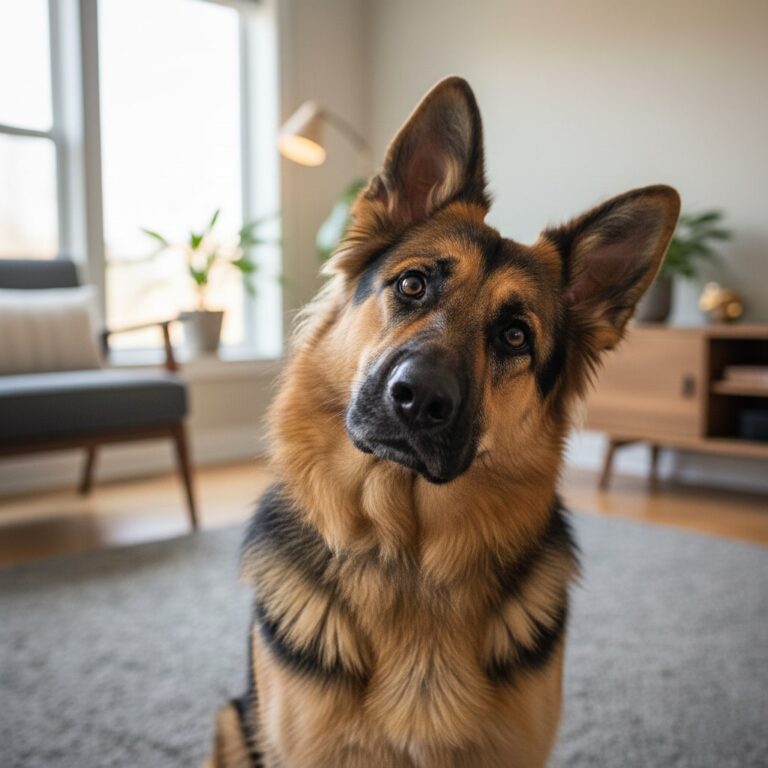
Dogs primarily tilt their heads to adjust their pinnae (outer ears) to better pinpoint the location and distance of a sound. This motion also helps them see your face more
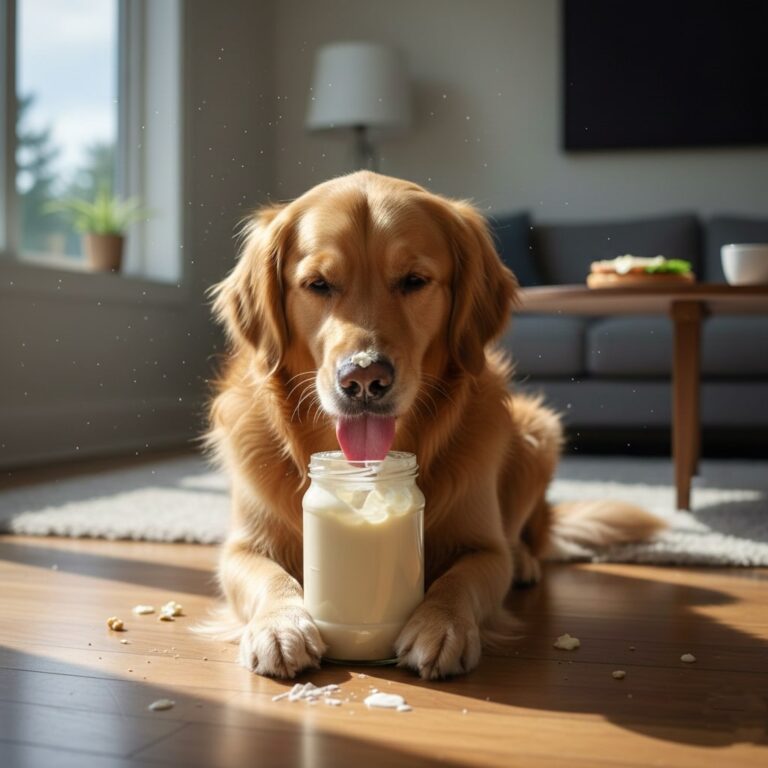
Technically, yes, dogs can eat mayonnaise because it is not toxic to them. However, it is not recommended. Mayonnaise is incredibly high in fat, which can cause upset stomachs, weight

No, dogs should not eat mustard. Mustard seeds (used to make the condiment) contain compounds called isothiocyanates, which irritate a dog’s digestive system. While a small lick of yellow mustard
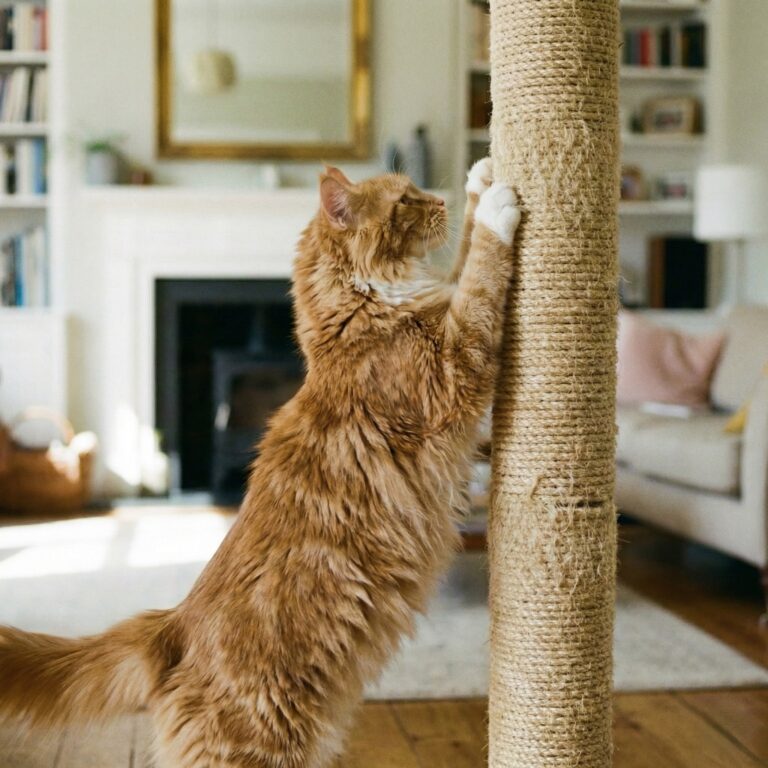
Cats scratch furniture to groom their claws, mark their territory with scent, stretch their muscles, and relieve stress. To stop it, you must provide appropriate alternatives like sturdy sisal posts,
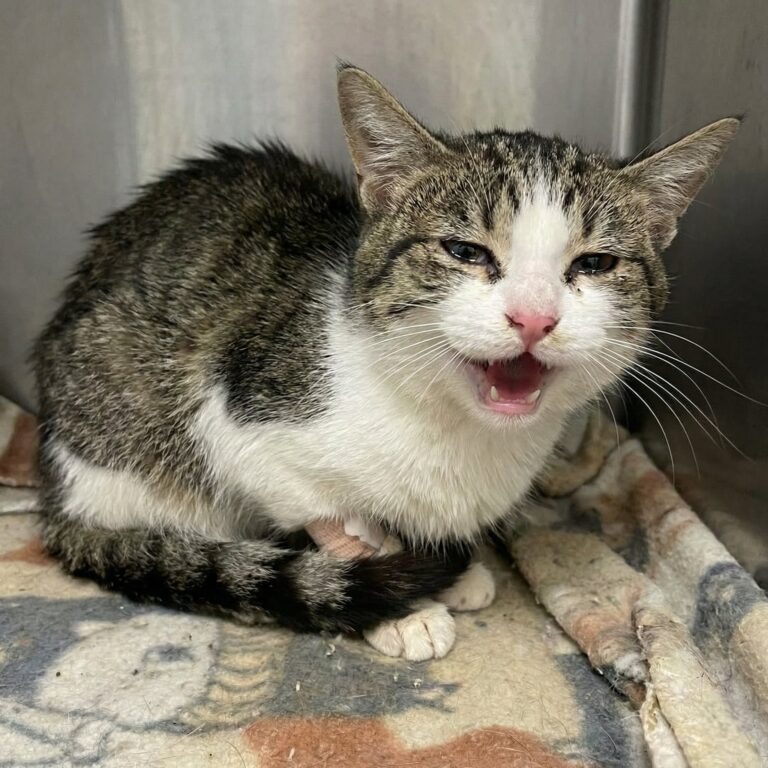
To determine if your cat is in pain, look for deviations from their normal routine. The most reliable indicators are behavioral changes rather than vocalizations. Common signs include hiding more
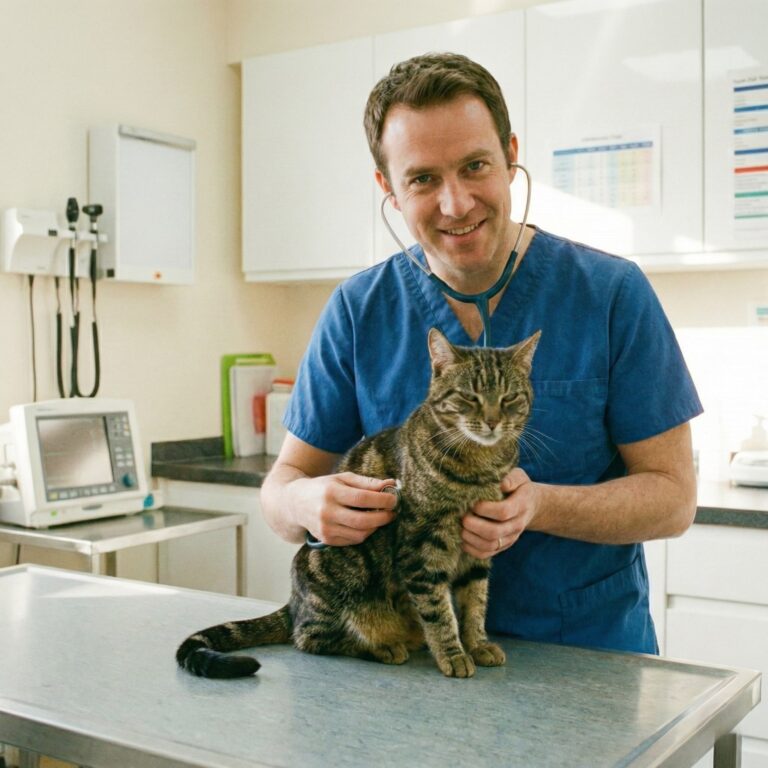
Regular veterinary visits are essential for indoor cats because they are masters at hiding pain and illness. Routine exams allow vets to detect silent killers like kidney disease, dental issues,
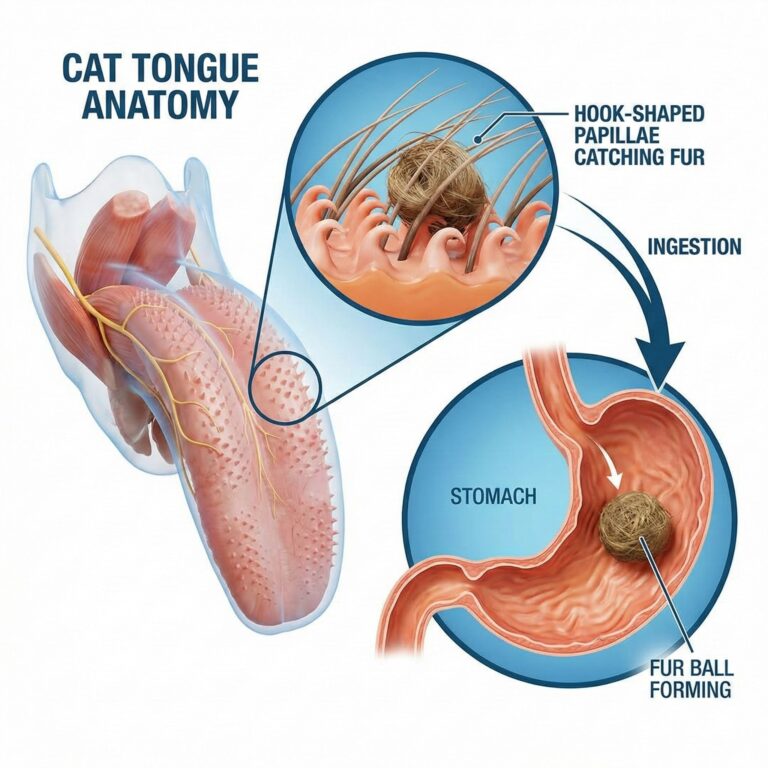
A hairball, scientifically known as a trichobezoar, is a clump of fur that accumulates in a cat’s stomach as a result of grooming. While most ingested fur passes through the
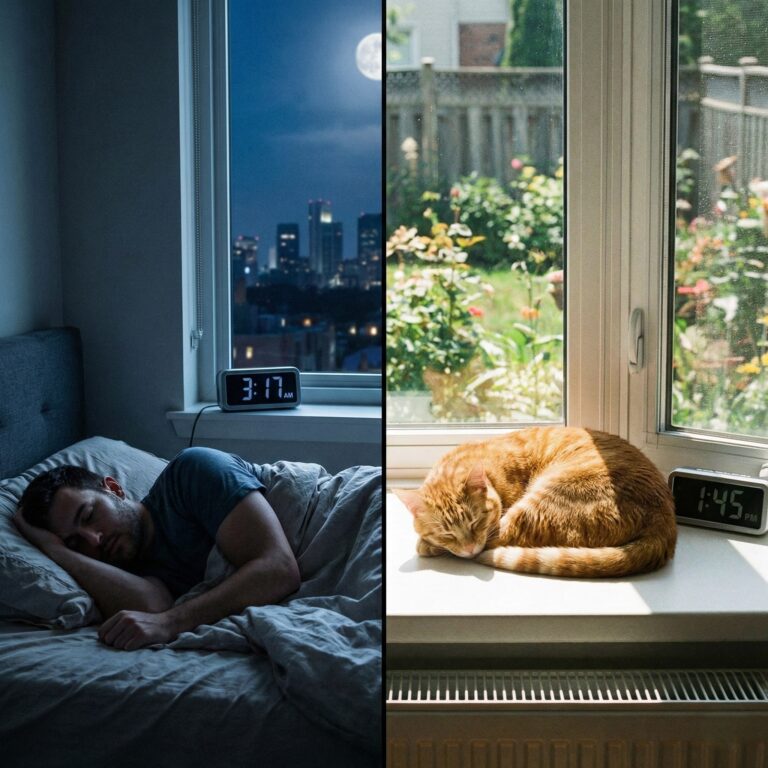
The primary difference between cat and human sleep lies in the structure and timing. Humans are diurnal and monophasic sleepers, typically resting for one consolidated 7 – 9 hour block
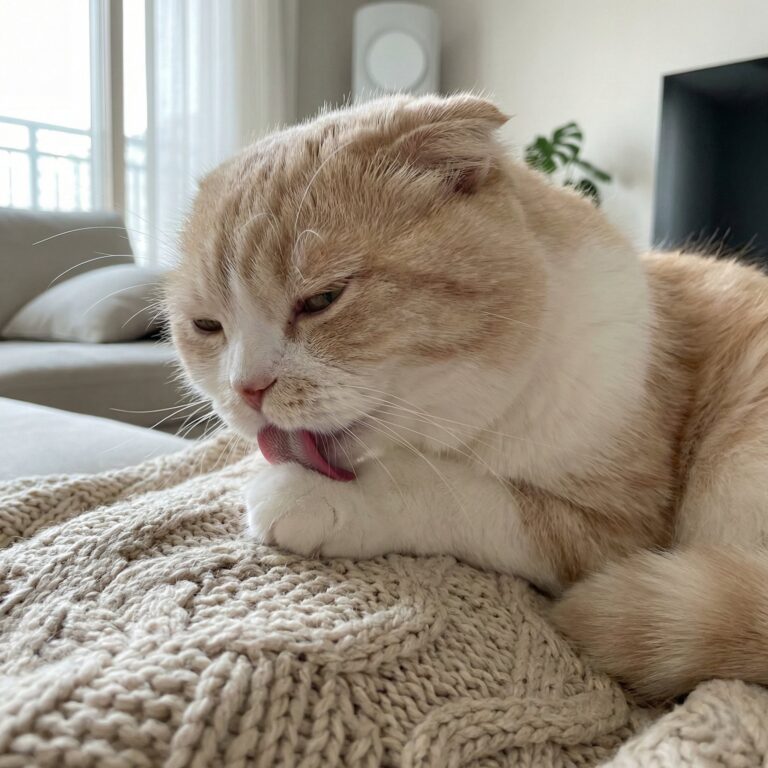
Cats groom themselves primarily to maintain hygiene, regulate body temperature, and remove scents that could attract predators. This behavior also serves as a self-soothing mechanism to reduce stress and helps
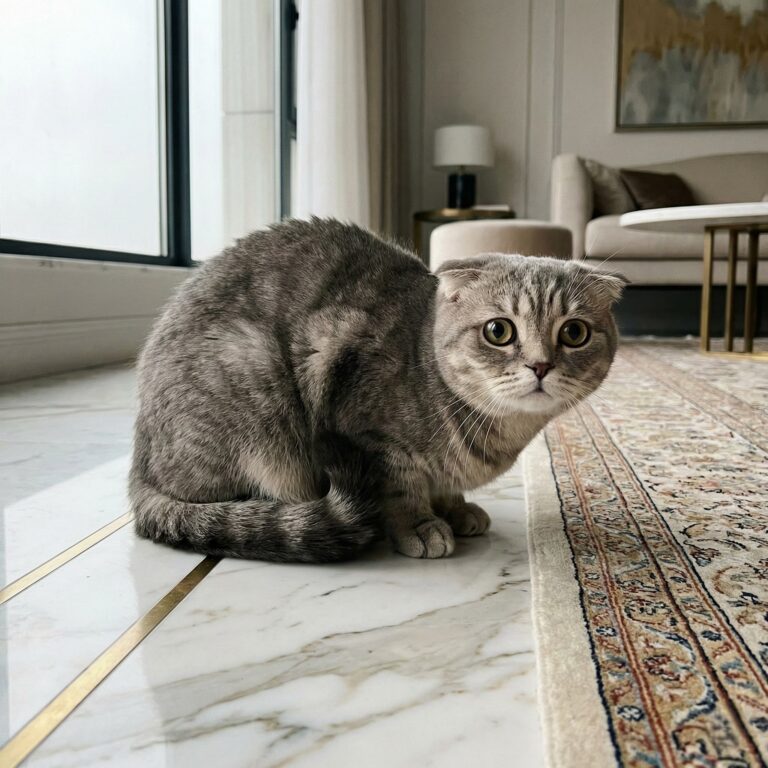
What are the signs of anxiety in cats? Common signs of anxiety in cats include behavioral changes like hiding, aggression, and urinating outside the litter box. Physical symptoms often involve