
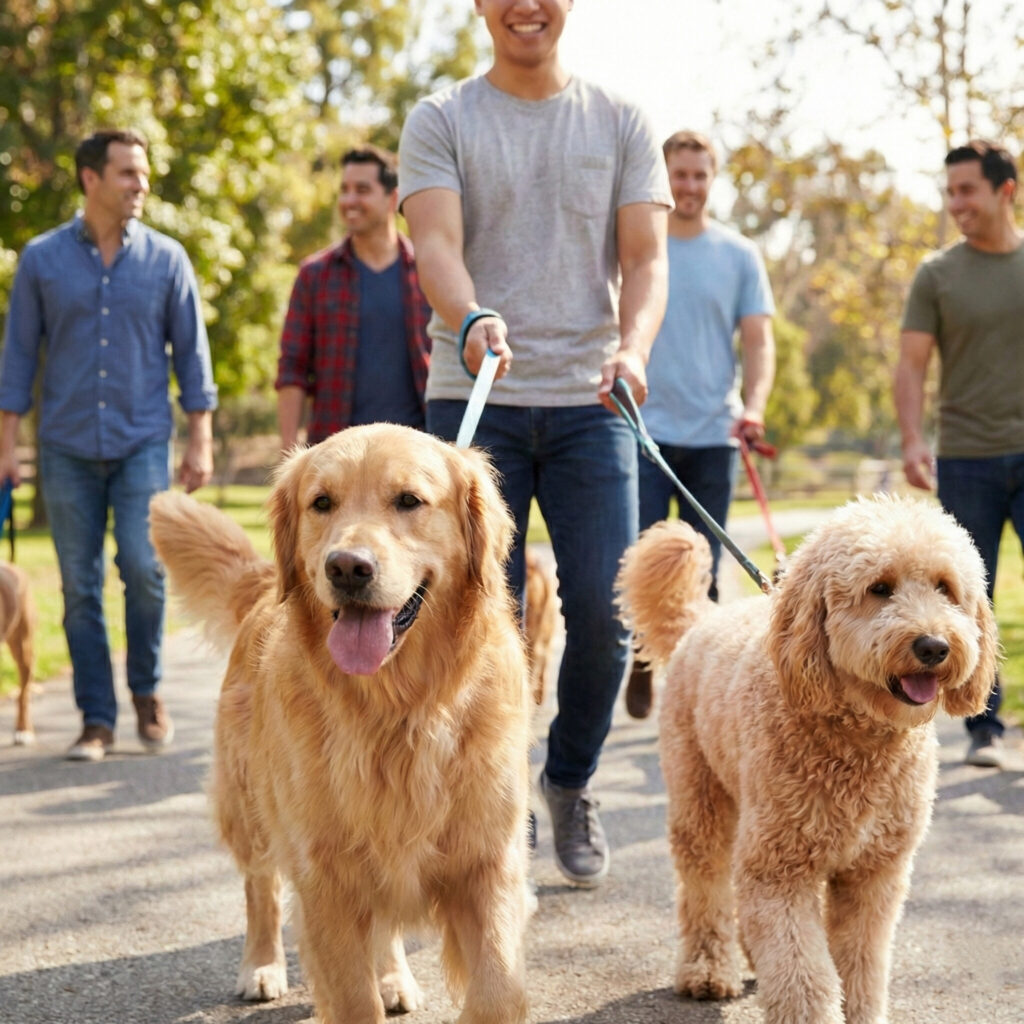
The best dog breeds for first-time owners are typically characterized by agreeable temperaments, high trainability, and moderate energy levels that fit average lifestyles. The top contenders generally include the friendly and eager-to-please Labrador Retriever and Golden Retriever, the highly intelligent and versatile Poodle (all sizes), and affectionate smaller companion breeds like the Cavalier King Charles Spaniel and the Bichon Frise. These breeds usually adapt well to new homes and forgive novice training mistakes.
Summary Table: Top Breeds for Beginners
| Breed | Size | Energy Level | Grooming Needs | Trainability |
| Labrador Retriever | Large | High | Low | Very High |
| Golden Retriever | Large | Medium-High | Medium-High | Very High |
| Poodle (Standard) | Large | Medium-High | High (Professional) | Very High |
| Cavalier King Charles | Small | Medium | Medium | High |
| Bichon Frise | Small | Medium | High (Professional) | Medium-High |
| Pug | Small | Low-Medium | Low | Medium |
| Greyhound | Large | Low-Medium | Low | Medium |
The Best Dog Breeds for First-Time Owners
Bringing your very first dog home is an exciting milestone. It also brings significant life changes and responsibilities. Choosing the right breed is the single most important step in ensuring a happy relationship between you and your new companion.
A “good beginner dog” isn’t just about being cute. It is about finding a breed with a temperament that is forgiving of novice mistakes, is relatively easy to train, and has care requirements that fit your current lifestyle.
This guide details the best breeds for new owners, breaking down why they work and what you need to know before committing.
Read Also: How Breed Traits Influence Behavior
Things to Consider Before You Choose
Before looking at specific breeds, you must evaluate your own life. A dog is a 10-to-15-year commitment. Being honest about these factors now will prevent heartbreak later.
Your Activity Level
Be realistic about how active you are right now, not how active you plan to be.
- Sedentary: If your perfect weekend involves movies on the couch, do not get a high-energy working breed that needs two hours of running daily.
- Active: If you hike every weekend and run daily, a low-energy companion breed might not keep up.
Your Living Situation
Do you live in a small apartment in the city, or a house with a large fenced backyard in the suburbs?
- Apartments: Size matters less than energy level and tendency to bark. A giant, lazy Greyhound is better in an apartment than a small, hyperactive Jack Russell Terrier.
- Houses: A yard is great, but it does not replace walks and interaction.
Time Commitment
Dogs cannot be left alone for 8-10 hours every day. They need bathroom breaks, feeding, training, and socialization. Puppies require significantly more time than adults. Consider if your work schedule allows for a dog.
Grooming and Maintenance
Are you willing to brush a dog daily and pay for professional grooming every six weeks? Or do you need a “wash-and-go” dog?
- High Grooming: Poodles, Bichons (non-shedding but mat easily).
- High Shedding: Labs, Goldens, Corgis (hair everywhere, constantly).
The Friendly Giants (Large Breeds)
These breeds are popular for good reason. They are known for incredible temperaments and a desire to work with their humans. However, their size and puppy energy can be overwhelming if you aren’t prepared.
1. Labrador Retriever
The Labrador Retriever has been America’s most popular dog for decades because it is incredibly friendly, outgoing, and trainable. They love people, other dogs, and usually kids.
Why They Are Good for First-Timers:
Labs are eager to please. Food motivates them highly, which makes training relatively easy for beginners. They have stable temperaments and are rarely aggressive. They tolerate clumsy handling by children well.
What to Watch Out For:
- Energy: They are high-energy dogs, especially as puppies and adolescents. They need significant daily exercise (fetching, swimming, running) to prevent destructive behavior like chewing.
- Shedding: They shed a lot. You will have hair on your clothes and furniture continually.
- Obesity: Because they love food, they easily become overweight. You must manage their diet strictly.
2. Golden Retriever
Golden Retrievers are famous for their devoted, gentle, and intelligent nature. Like Labs, they are excellent family dogs and generally get along with everyone.
Why They Are Good for First-Timers:
Goldens are highly intelligent and very responsive to their owners. They want to make you happy, which smooths out the training process. Their patient demeanor makes them a top choice for families with children.
What to Watch Out For:
- Grooming: Their long, golden coats require regular brushing (several times a week) to prevent tangles and reduce shedding. You will find “tumbleweeds” of hair in your house.
- Health: Goldens have higher rates of certain cancers and joint issues (hip dysplasia). Buying from a reputable breeder who tests their parent dogs is crucial.
- Neediness: They are social dogs that need to be with their family. They do not do well left alone outside or for long periods.
The Smart and Versatile (Medium-Large Breeds)
If you want brains and beauty, and are willing to put in the maintenance time, these breeds are excellent partners.
3. The Poodle (Standard or Miniature)
Forget the fancy show haircuts; Poodles are athletic, rugged, and incredibly smart dogs. They come in three sizes: Standard (large), Miniature (medium), and Toy (small). The Standard and Miniature are best for beginners.
Why They Are Good for First-Timers:
Poodles generally rank as the second-smartest dog breed. They learn commands very fast. They are usually polite with strangers and other animals. A major bonus is that they have hair, not fur, meaning they shed very little and are better for mild allergy sufferers.
What to Watch Out For:
- Grooming Expense: This is the biggest hurdle. Their hair never stops growing. They require professional grooming (clipping and bathing) every 4 to 6 weeks. This is a high recurring cost and time commitment. If you neglect it, their hair will mat painfully to the skin.
- Mental Stimulation: Because they are smart, they get bored easily. A bored Poodle will find trouble. You need to engage their brains with puzzles, trick training, or dog sports.
The Cuddly Companions (Small Breeds)
These breeds were bred specifically to be companions. Their primary job is to love you and sit on your lap. They are excellent for apartments or less active owners.
4. Cavalier King Charles Spaniel
The Cavalier is often described as the ultimate lap dog. They are incredibly sweet, gentle, and affectionate.
Why They Are Good for First-Timers:
Their temperament is near perfect. They are rarely aggressive or high-strung. Their energy needs are moderate; a few daily walks and some indoor play are sufficient. They adapt easily to apartment living and are generally quiet.
What to Watch Out For:
- Health Issues: This is the main drawback. The breed suffers from a high rate of genetic health problems, particularly heart disease (Mitral Valve Disease) and neurological issues. Finding a very responsible breeder who performs extensive health testing is non-negotiable.
- Separation Anxiety: They love their humans intensely and can suffer greatly when left alone. They are best suited for households where someone is home most of the day.
5. Bichon Frise
The Bichon Frise is a cheerful, bouncy white powder puff of a dog. They have a happy-go-lucky attitude that is infectious.
Why They Are Good for First-Timers:
Bichons are sturdy little dogs that are playful but not overly hyper. They are generally easy to train using positive reinforcement because they love attention. Like the Poodle, they are considered hypoallergenic because they shed very little.
What to Watch Out For:
- Grooming: Like the Poodle, their coat requires daily brushing and monthly professional grooming to prevent severe matting.
- Housebreaking: Small breeds can sometimes take longer to potty train than large breeds because they have smaller bladders and can sneak away to hide accidents more easily. You need to be very consistent.
6. Pug
Pugs are known for their charming, clownish personalities and distinctive wrinkled faces. They are sturdy companion dogs that love comfort.
Why They Are Good for First-Timers:
Pugs have very low exercise requirements. A short walk and some indoor playtime are plenty. They are incredibly affectionate and love nothing more than snuggling on the sofa. Their short coats are easy to maintain, though their facial wrinkles need regular cleaning.
What to Watch Out For:
- Breathing Issues: Because they have flat faces (brachycephalic), they have trouble breathing, especially in heat and humidity. You must protect them from overheating. They also tend to snore loudly.
- Health Concerns: Besides breathing, their protruding eyes are prone to injury, and they can easily become obese if overfed.
- Shedding: Surprisingly, for a short-haired dog, Pugs shed a significant amount.
The Surprising Option
Sometimes the best beginner dog isn’t the most obvious one.
7. Greyhound
Many people think Greyhounds are high-energy racing machines. In reality, retired racing Greyhounds are often called “45-mph couch potatoes.”
Why They Are Good for First-Timers:
Greyhounds are gentle, quiet, and surprisingly lazy indoors. They enjoy a good sprint occasionally, but their stamina is low. They are happy sleeping for 18 hours a day, making them excellent apartment dogs despite their size. Their coats are very short and require almost no grooming.
What to Watch Out For:
- Leash Laws: They have an incredibly high prey drive. If they see a squirrel, they will take off at 40 mph. They must always be on a leash unless in a securely fenced area.
- Adjustment Period: Retired racers have never lived in a house before. They may not know how to handle stairs, shiny floors, or glass doors. They need patience as they learn how to be a pet.
A Note on Shelter Dogs and Mixed Breeds
You do not have to buy a purebred dog to get a great first pet. Shelters and rescues are full of wonderful mixed-breed dogs waiting for homes.
Pros of Adopting:
- You are saving a life.
- It is usually much cheaper than buying from a breeder.
- Adult shelter dogs may already be house-trained and past the difficult chewing stage.
How to Adopt as a First-Timer:
If you adopt, look for an adult dog (over 2 years old) that has been in a foster home. Foster parents know the dog’s actual personality, energy level, and whether they get along with kids or cats. Avoid adopting young puppies from shelters as a first-timer, as their adult temperament is an unknown gamble.
Breeds to Avoid for Your First Time
While every dog is an individual, certain breeds have traits that are generally too intense for novice owners. It is best to avoid these until you have more experience.
- High-Drive Working/Herding Breeds: Border Collies, Belgian Malinois, Australian Shepherds. They need a “job” and hours of intense activity daily, or they become destructive and neurotic.
- Guardian Breeds: Rottweilers, Dobermans, Cane Corsos. They require highly experienced handling and intense socialization to ensure they are safe members of society.
- Independent Northern Breeds: Siberian Huskies, Akitas. They are often stubborn, difficult to train, and act more like cats than dogs. Huskies are notorious escape artists.
Conclusion
Choosing your first dog is a journey. By focusing on breeds known for stability, trainability, and moderate needs, you set yourself up for success. Whether you choose a goofy Labrador, a smart Poodle, or a gentle Cavalier, remember that training and patience are key.
Take your time, do your research on responsible breeders or reputable rescues, and prepare for a wonderful life with your new best friend.