Pets
How to Make Your Home Senior-Cat Friendly
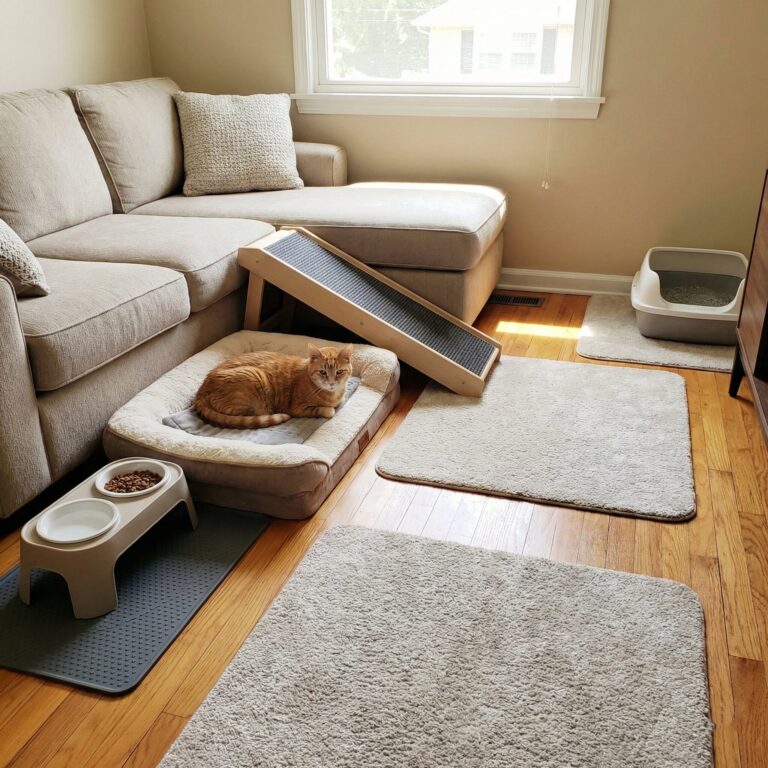
To make your home senior-cat-friendly, focus on accessibility and comfort. Switch to low-entry litter boxes and place them on every floor to prevent accidents. Use


To make your home senior-cat-friendly, focus on accessibility and comfort. Switch to low-entry litter boxes and place them on every floor to prevent accidents. Use
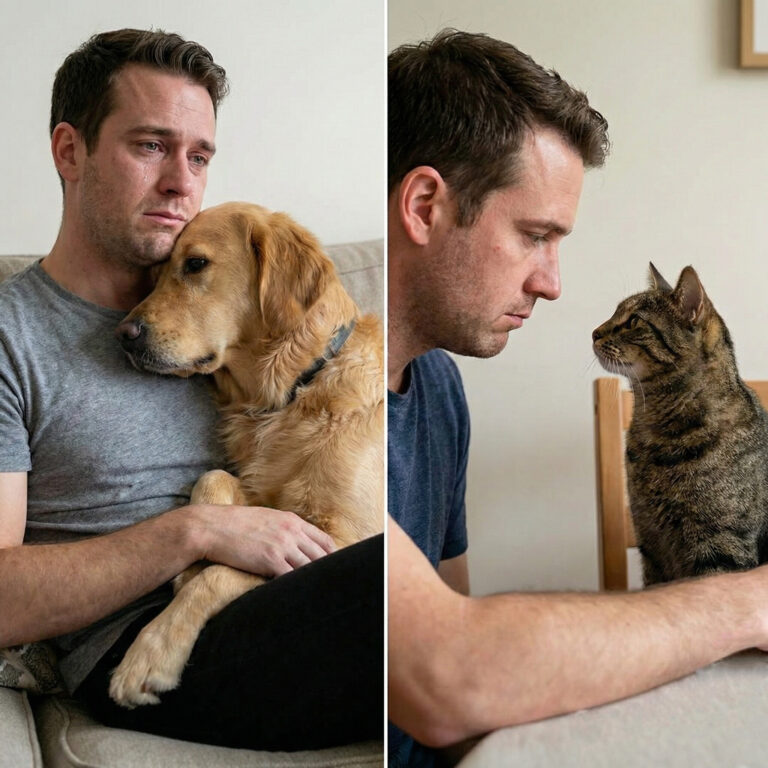
Research suggests that dogs currently have the edge in understanding human emotions due to a longer history of co-evolution. Studies show dogs can distinguish between
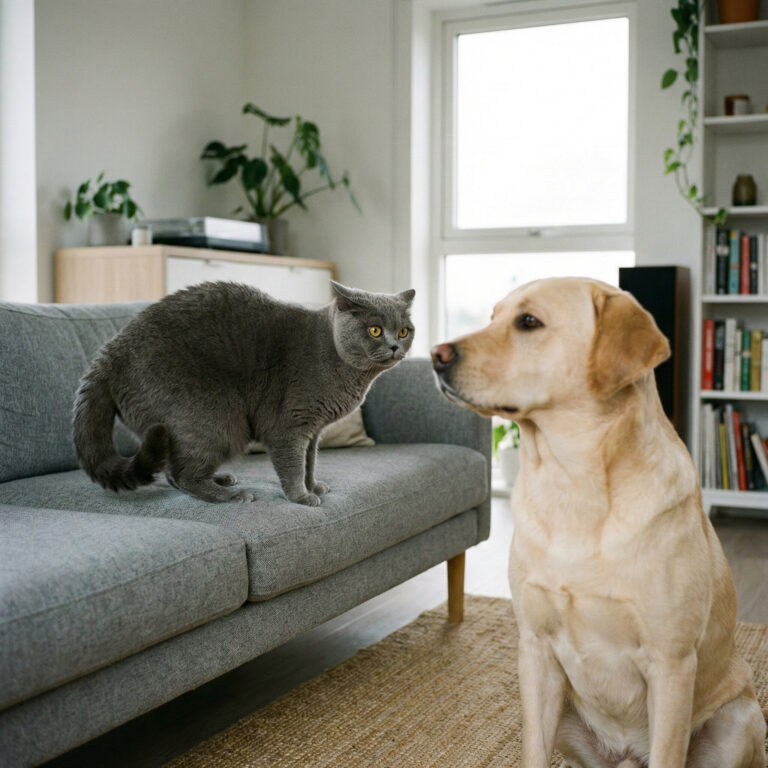
Dogs and cats communicate differently due to their evolutionary history; dogs are pack animals that value social hierarchy and direct interaction, while cats are solitary
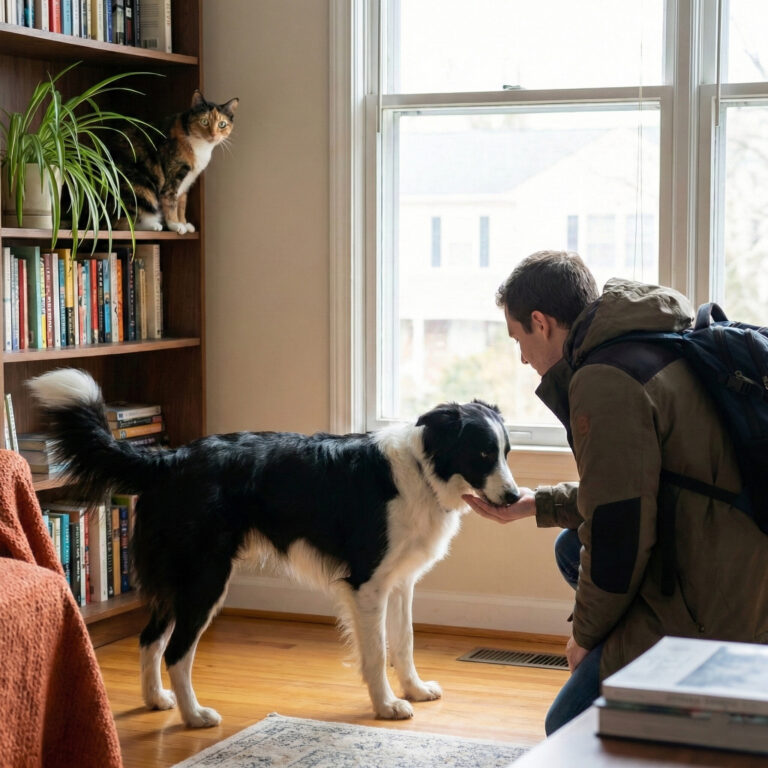
Cats and dogs react to strangers differently due to their evolutionary history and social instincts. Dogs, as pack animals, generally look to their owners for
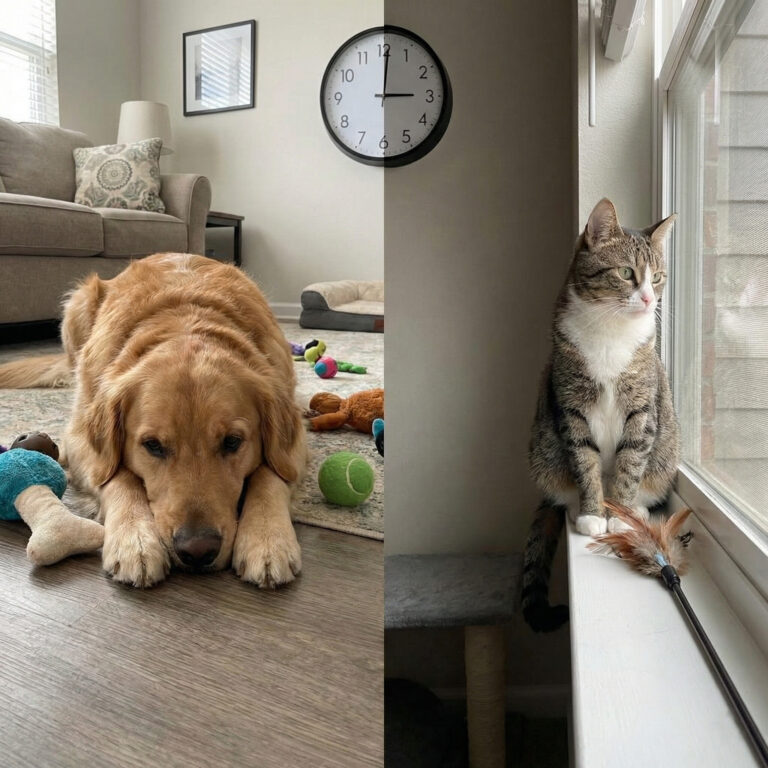
Generally, dogs get bored faster than cats. Because dogs are social pack animals evolved to work alongside humans, they require constant interaction, mental engagement, and
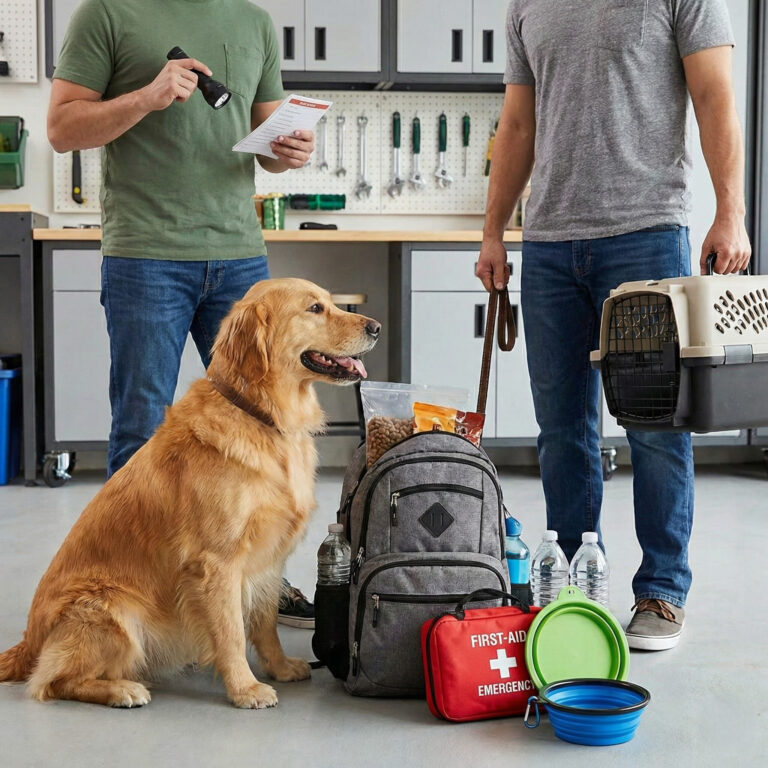
To prepare your dog for emergencies, you must create a specific pet disaster plan. Build a “grab-and-go” bag containing at least five days of food,
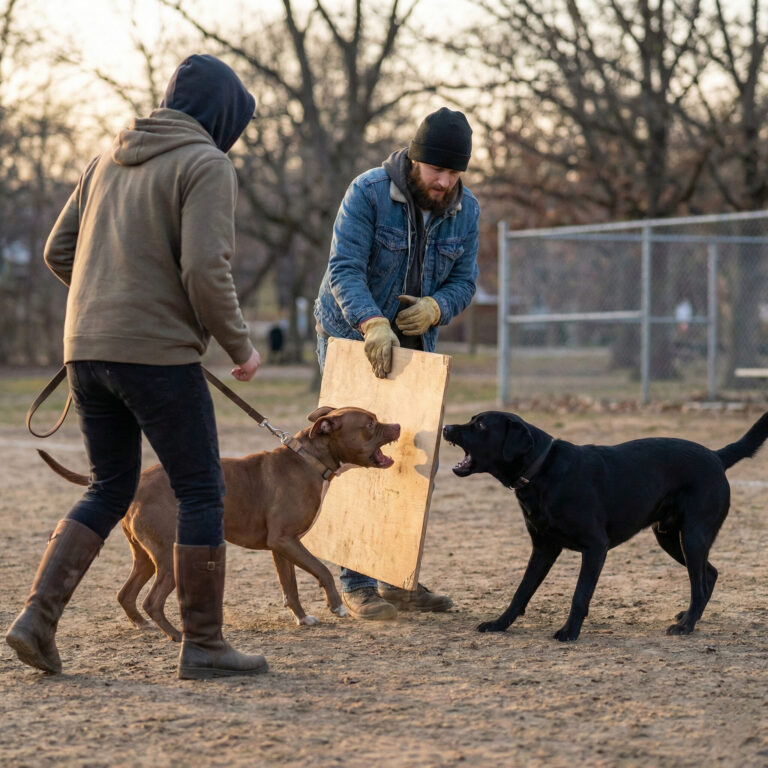
The safest way to break up a dog fight is never to get physically between the dogs. If two people are present, the most effective
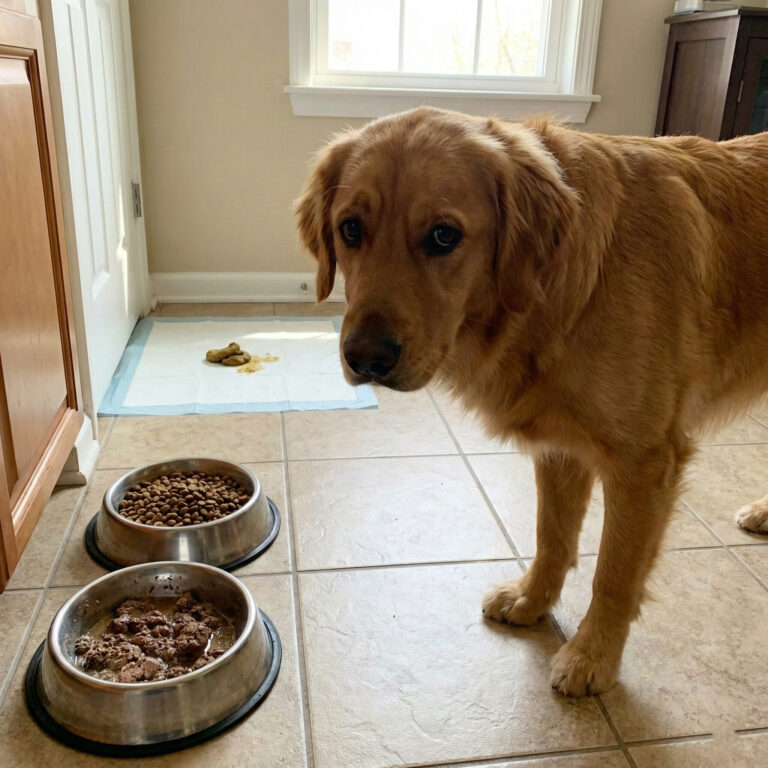
Changing a dog’s food suddenly often disrupts their digestive system. Dogs develop specific gut bacteria tailored to break down their usual diet. Introducing new ingredients,
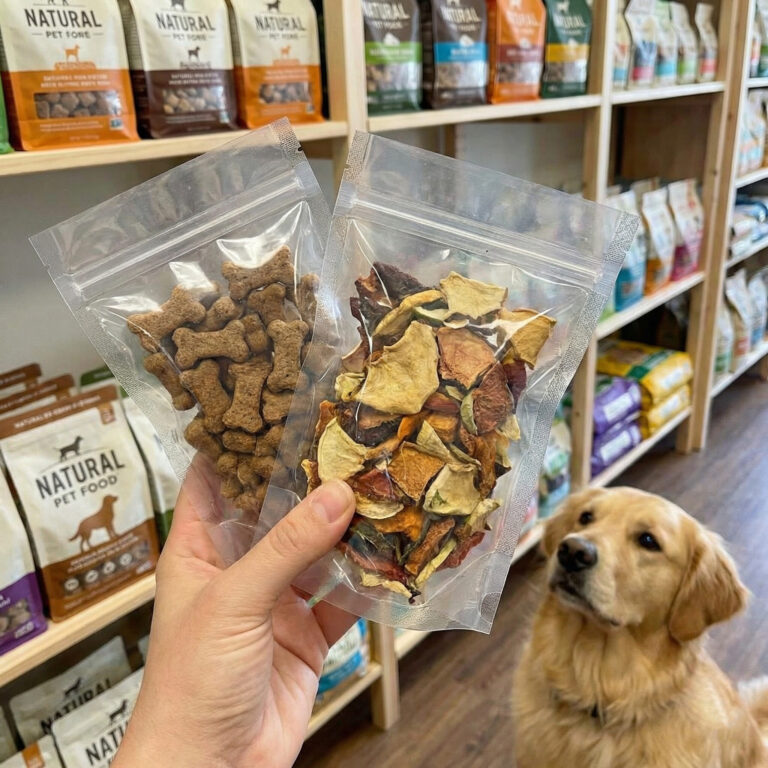
To choose healthy dog treats, always read the ingredient label first. Look for whole food sources like real meat, vegetables, or fruits as the top
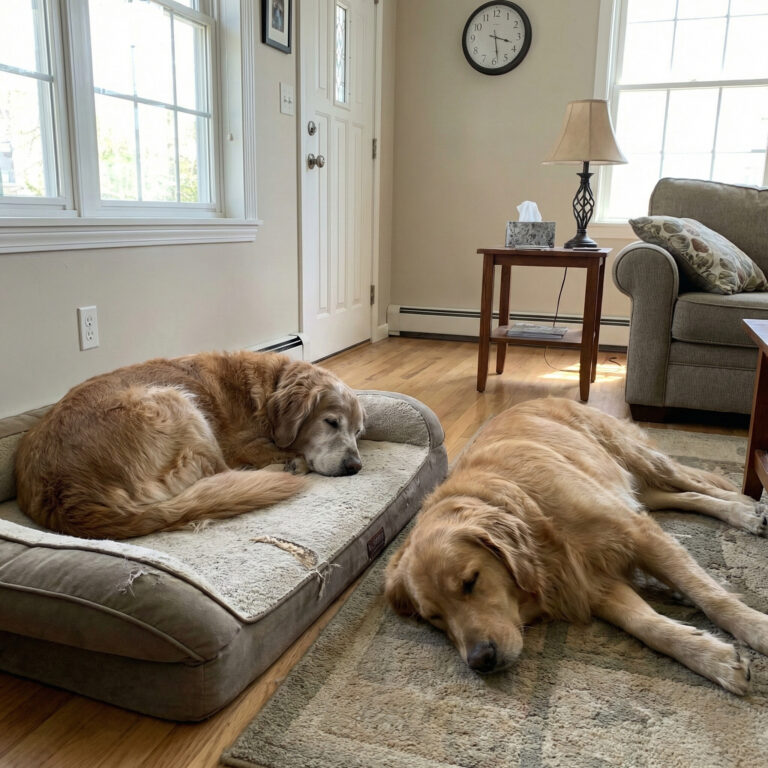
As dogs enter their senior years, their sleep patterns change significantly due to physiological and cognitive shifts. While older dogs tend to sleep more total
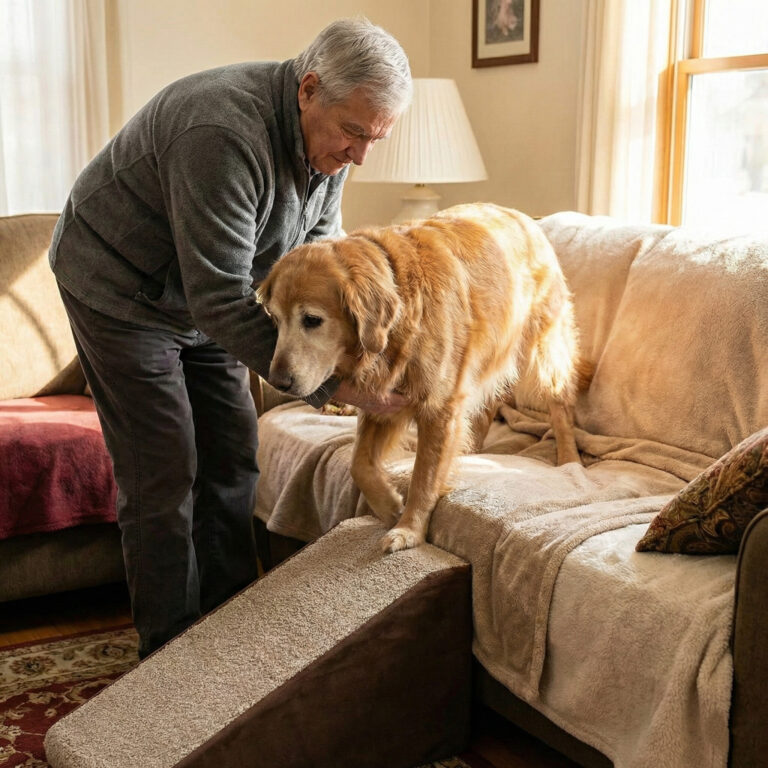
Caring for a senior dog requires adjusting their lifestyle to accommodate aging joints, slower metabolism, and cognitive changes. Key steps include switching to a senior-specific
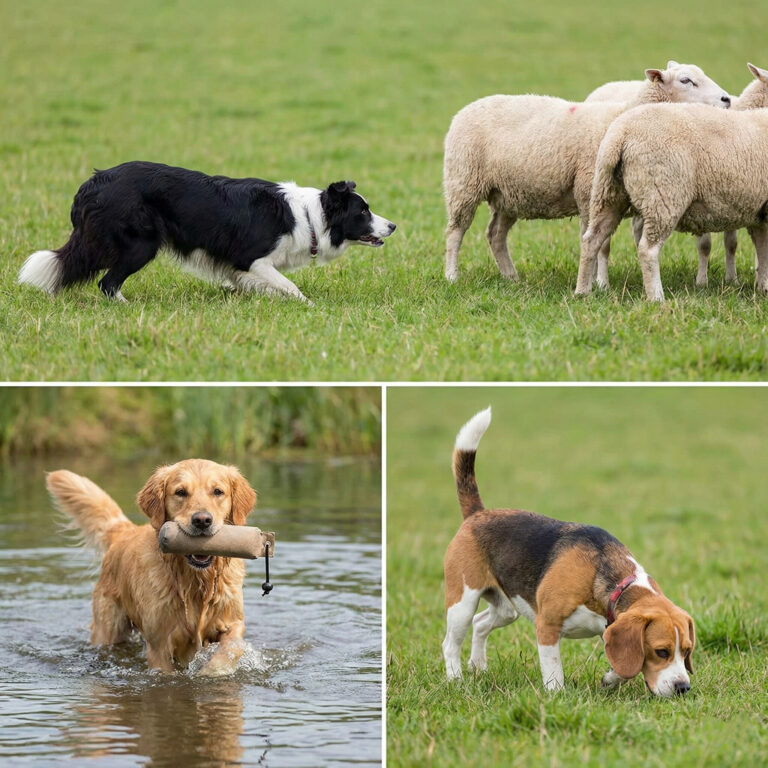
Breed traits significantly influence behavior because dogs were selectively bred for thousands of years to perform specific tasks like hunting, herding, or guarding. These deep-seated