
Dogs
Best Routine for Busy Dog Owners
The best routine for a busy dog owner relies on consistency, mental stimulation, and planning. You must wake up earlier for focused morning exercise and


The best routine for a busy dog owner relies on consistency, mental stimulation, and planning. You must wake up earlier for focused morning exercise and
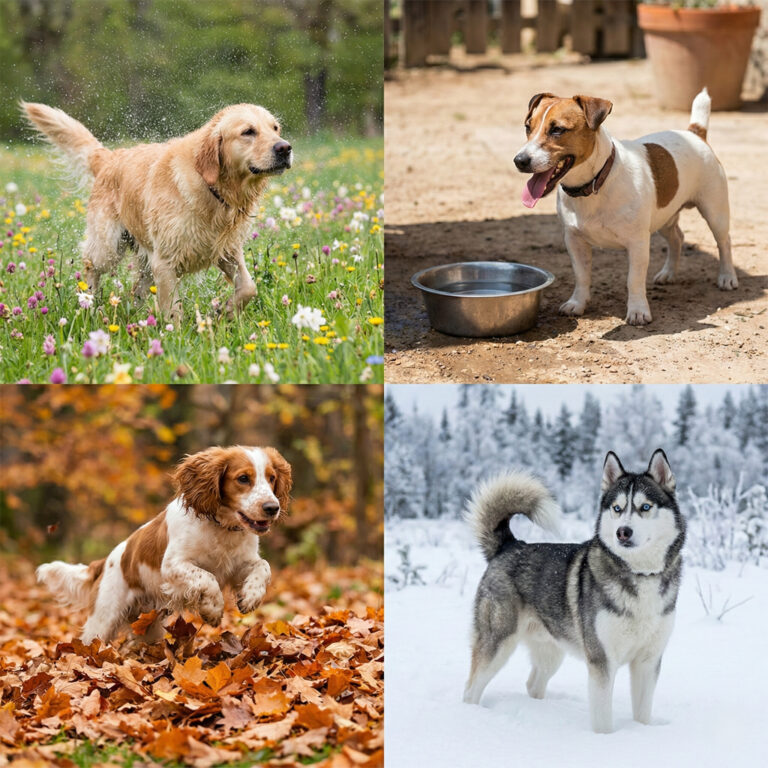
Dogs handle seasonal changes through a combination of biological adjustments and behavioral shifts. Biologically, their coats adapt by shedding in spring and thickening in fall
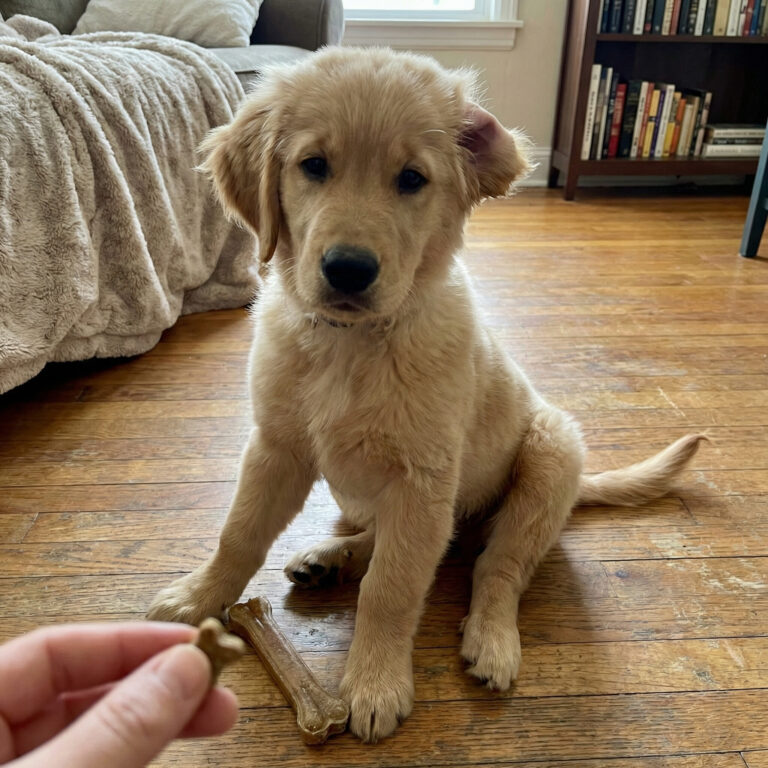
Understanding puppy body language is essential for building trust and ensuring safety. Puppies communicate almost exclusively through non-verbal cues involving their tail, ears, eyes, mouth,
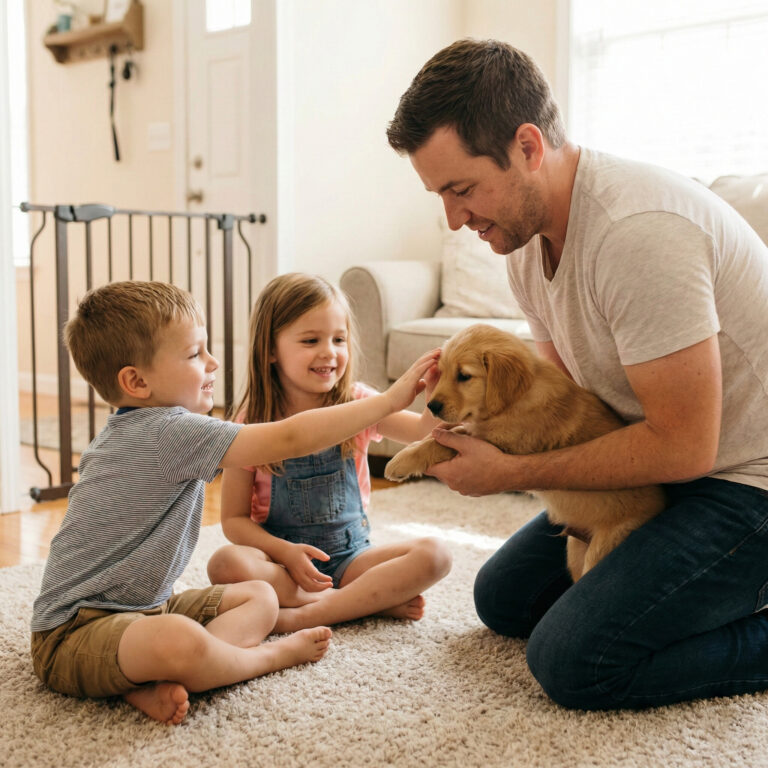
To safely introduce a puppy to a child, always start in a quiet environment with the puppy on a leash to maintain control. Have the
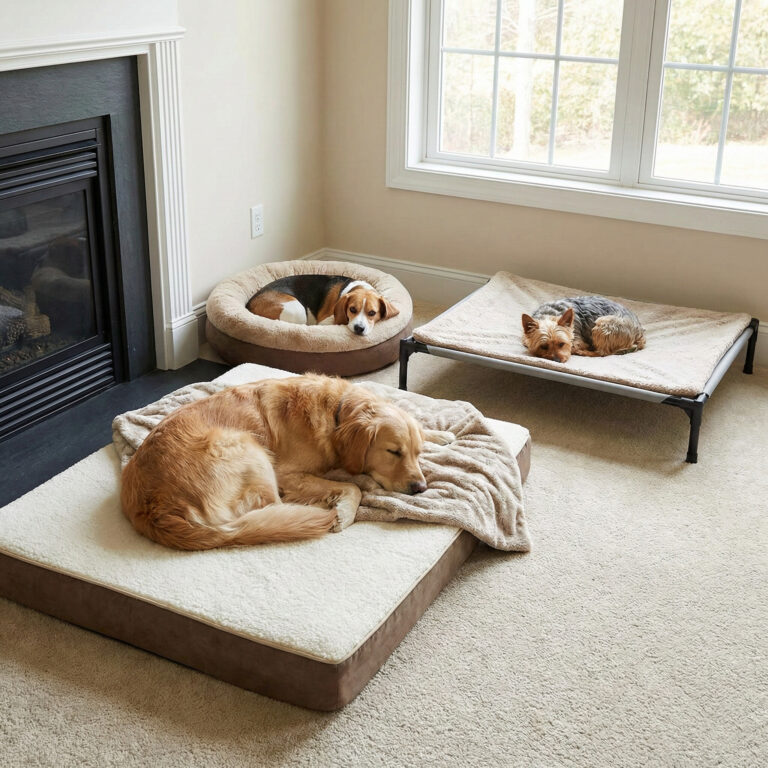
The best sleeping arrangement for a dog depends on their age, health, and personality. For puppies, a crate in the bedroom offers safety and aids
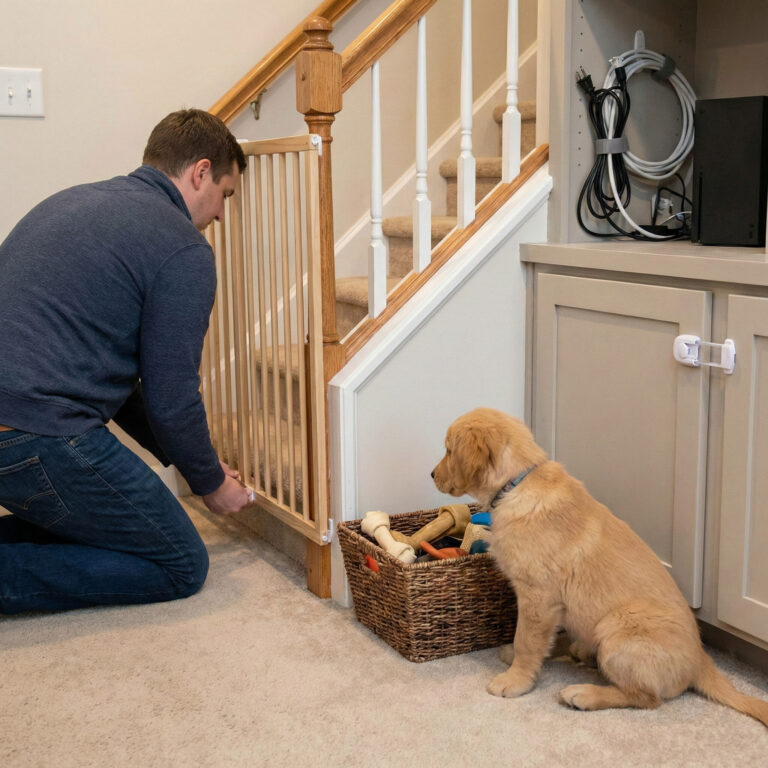
To dog-proof your home, get down to your dog’s eye level to identify potential hazards. Secure specific dangers in every room: lock away toxic foods
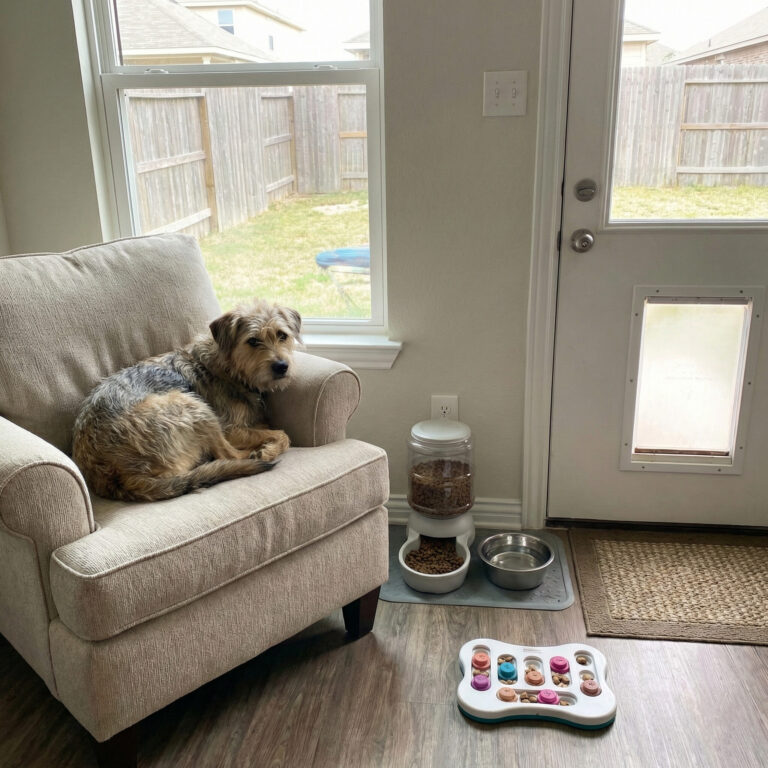
When left alone for a full workday, dogs require more than just food and water. Their primary needs include consistent access to fresh water, a
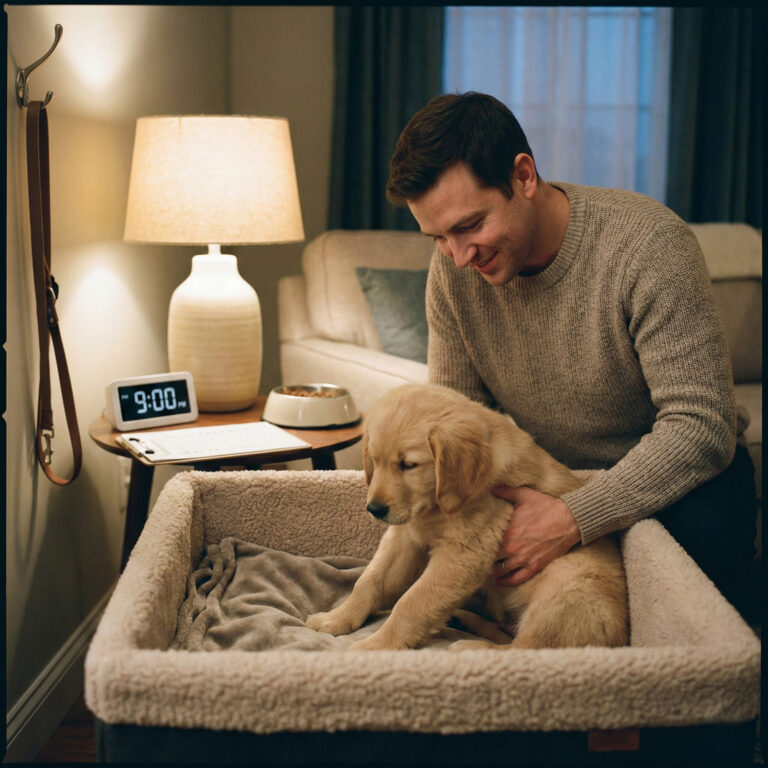
Routine provides puppies with a sense of security and predictability, which drastically reduces anxiety and behavioral issues like biting or excessive barking. A consistent schedule
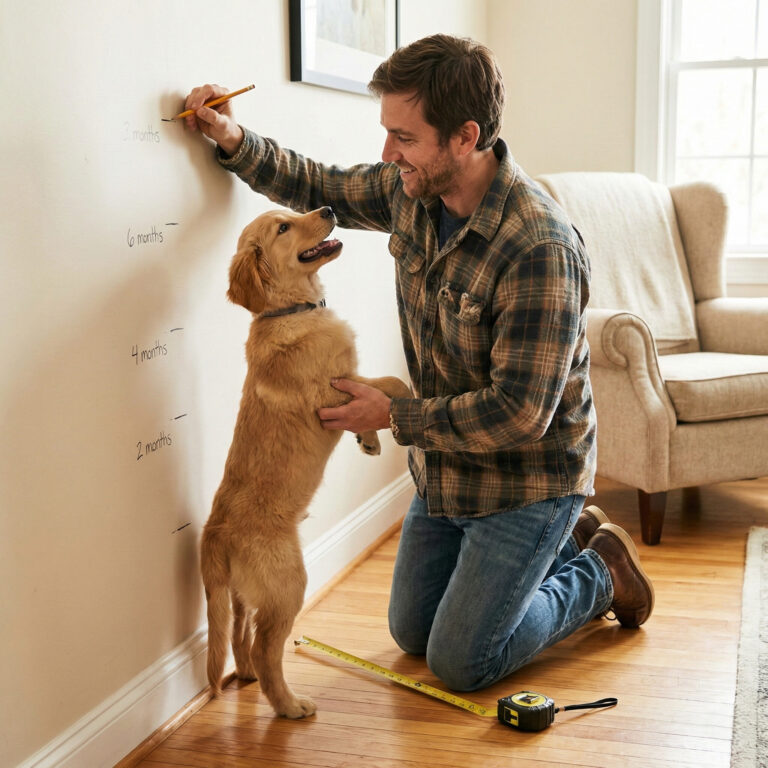
A puppy’s growth spurt is a short period where your dog experiences rapid physical development, growing significantly in height and weight. These spurts typically occur
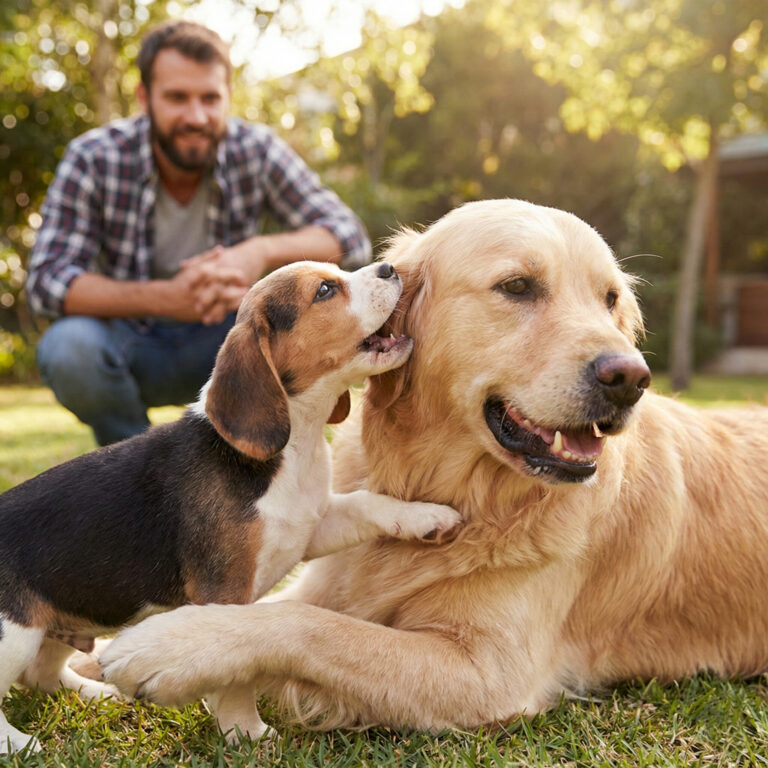
Puppies learn social boundaries primarily through interaction with their mother and littermates between 3 and 14 weeks of age. During play, they develop bite inhibition
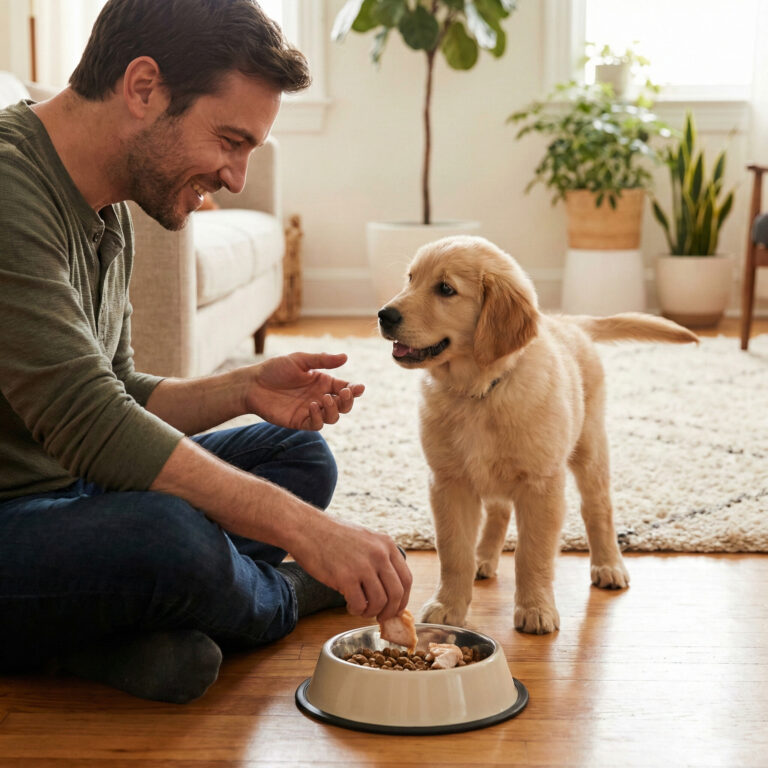
To prevent resource guarding in puppies, use positive reinforcement to teach them that human presence near their valued items leads to rewards, not loss. Implement
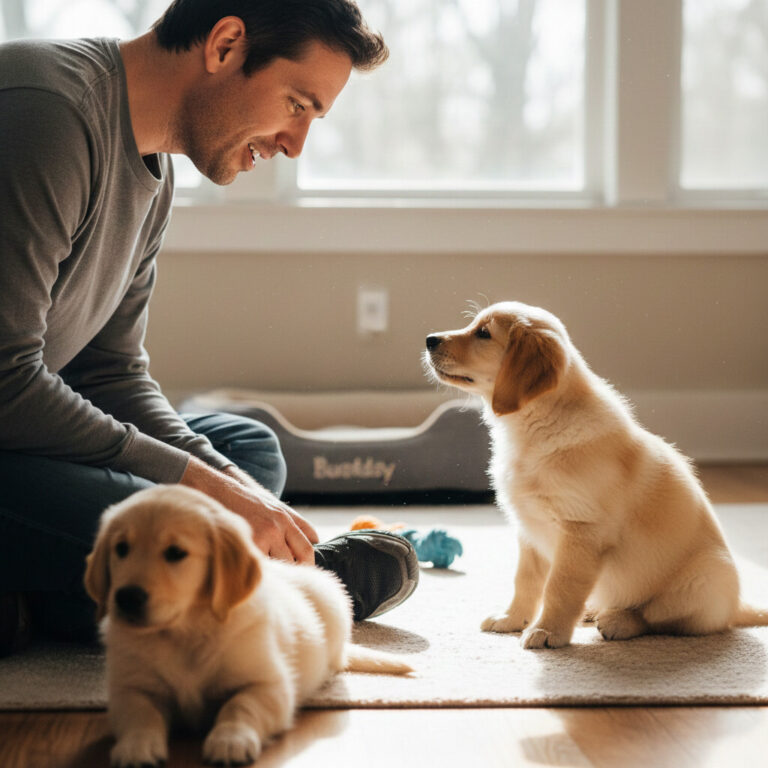
Most puppies begin to recognize their name between 6 and 12 weeks of age. However, they do not understand the name as a personal identity