How to Train an Older Dog
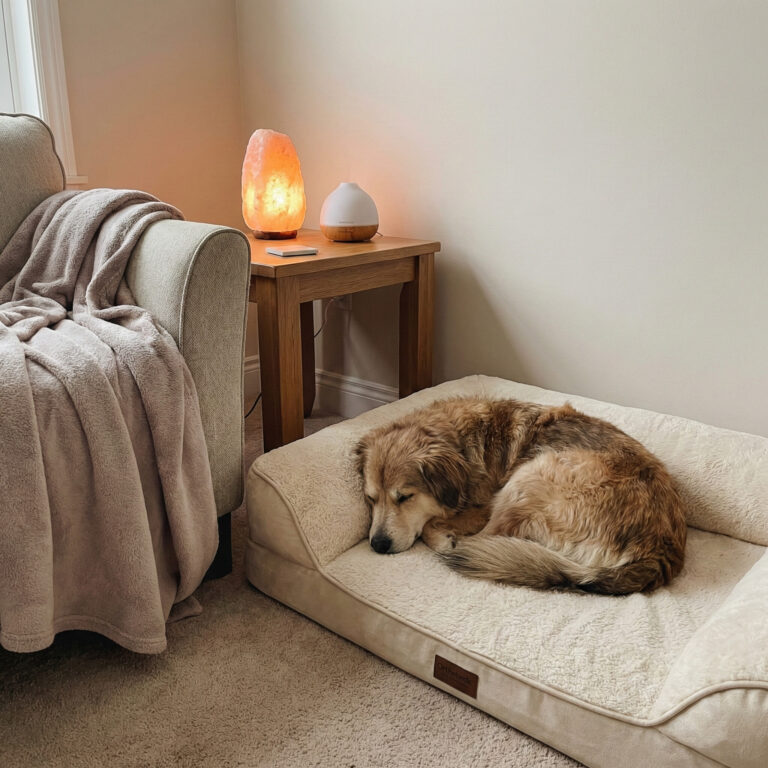
Yes, you absolutely can train an older dog. While senior dogs may have established habits or physical limitations, they often have longer attention spans and

Yes, you absolutely can train an older dog. While senior dogs may have established habits or physical limitations, they often have longer attention spans and

Dog training regression happens when a dog suddenly stops performing known behaviors or commands. It is a normal part of the learning process, often caused

To safely lift a dog, place one arm under the dog’s chest (between the front legs) and the other arm under their rump or behind

To build focus in an easily distracted dog, start training in a quiet, low-distraction environment using high-value treats or toys. Teach the “Look at Me”

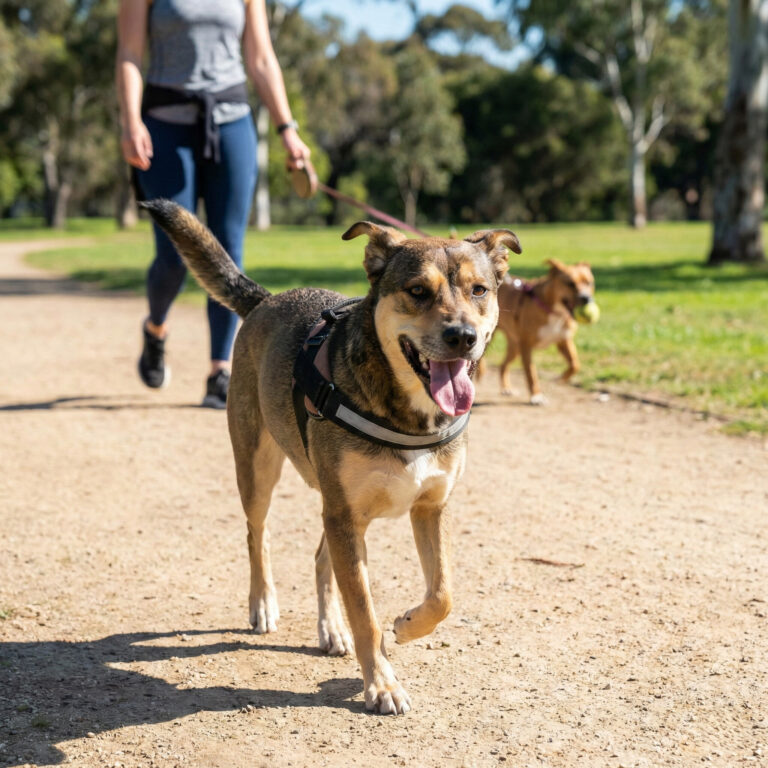
Dogs react differently on a leash primarily due to leash reactivity, which stems from feeling restricted. Without the option to flee or move naturally, a

To train a dog to be alone, start by creating a safe, comfortable space like a crate or a specific room. Begin with very short

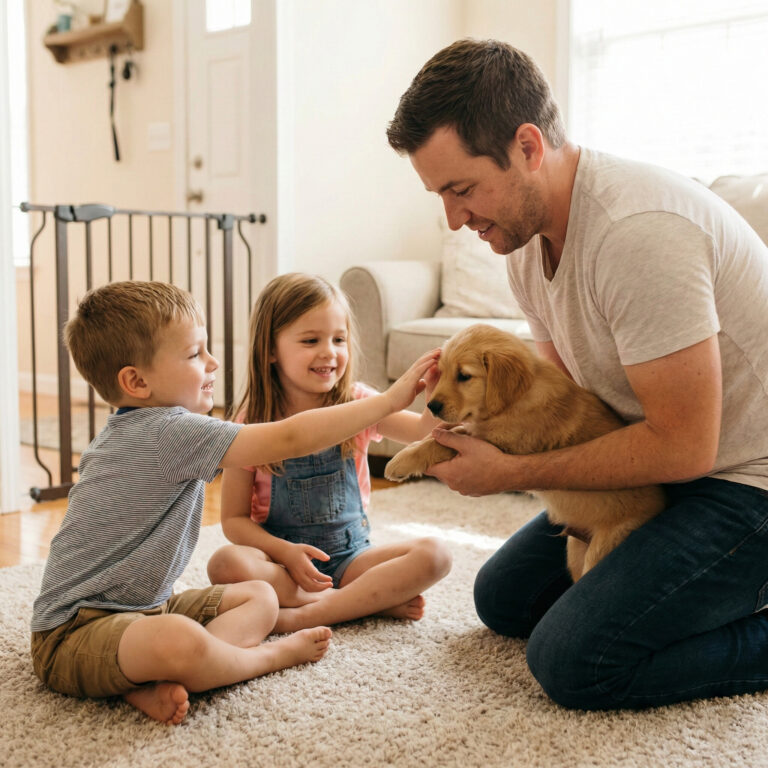
To stop a dog from jumping, remove the reward (attention) immediately. When the dog jumps, turn your back, cross your arms, and remain silent. Do

If your dog is acting stubborn, they aren’t trying to annoy you; they are likely confused, unmotivated, or fearful. To fix this, stop repeating commands,

To train a high-energy dog, you must combine physical exercise with intense mental stimulation. A tired body is not enough; you need a tired brain.

Dogs ignore commands outside primarily because they have not generalized the behavior to new environments or because the distractions (like smells, other animals, or noises)

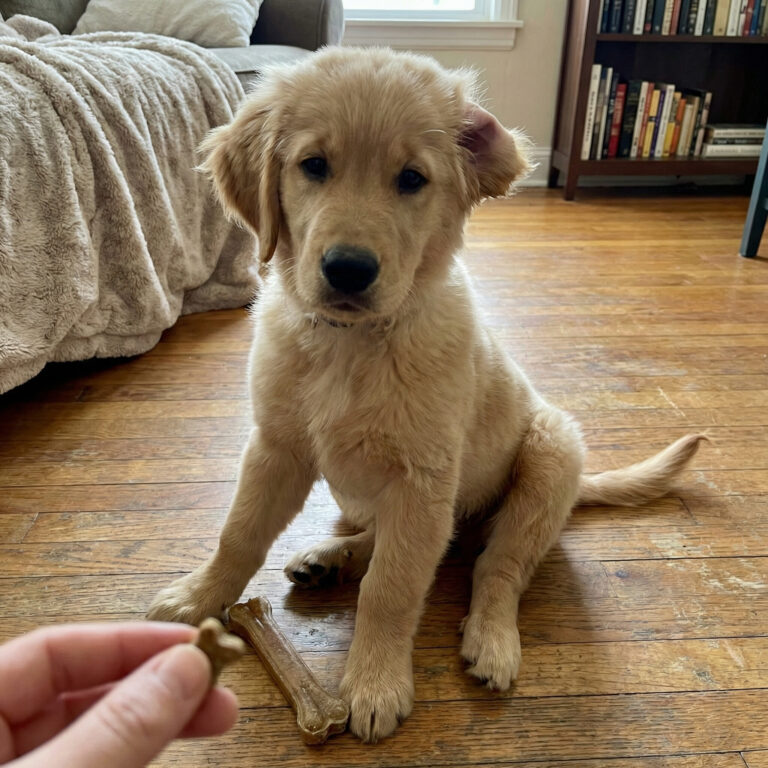
A dog training session should typically last between 5 to 15 minutes. For young puppies (under 6 months), keep sessions strictly to 3–5 minutes to

Normal panting is a dog’s primary way to cool down or express excitement. It should resolve quickly once the dog rests or cools off, and