
Cats
When Do Kittens Open Their Eyes?
Most kittens begin to open their eyes between 7 and 10 days after birth. The process is gradual and usually takes about two to three days to complete fully. By

Most kittens begin to open their eyes between 7 and 10 days after birth. The process is gradual and usually takes about two to three days to complete fully. By
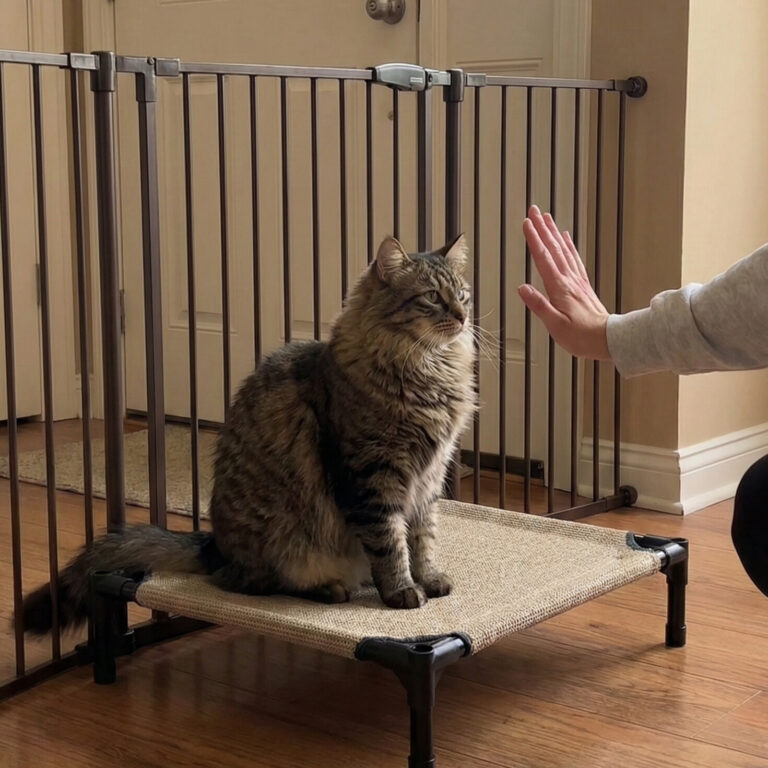
To stop a cat from door dashing you must combine management techniques with positive reinforcement training. Start by spaying or neutering your cat to reduce hormonal roaming urges and install
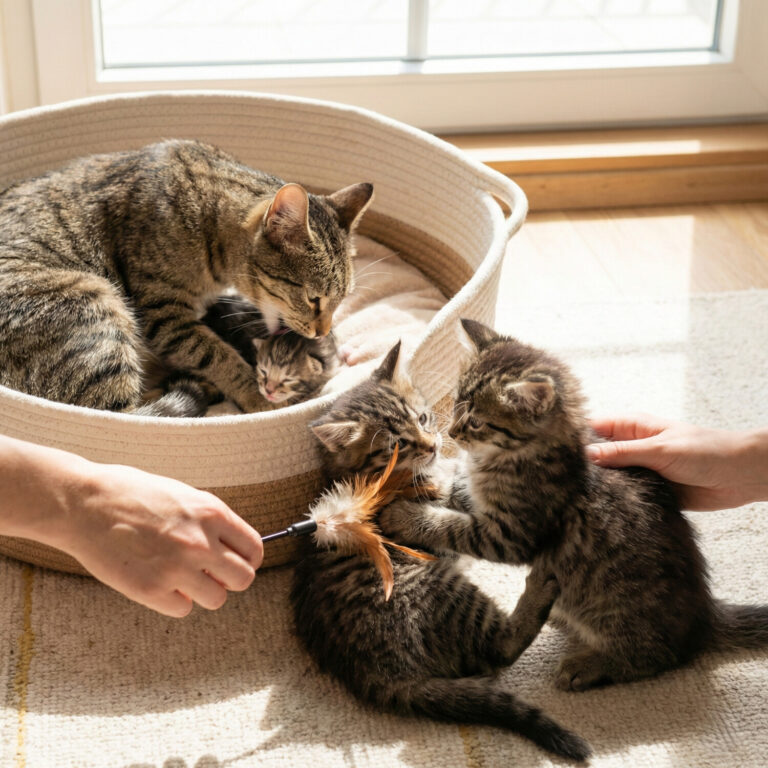
Kittens learn social skills primarily during a critical socialization window between 2 and 7 weeks of age. They acquire these skills through three main channels: observation and discipline from their
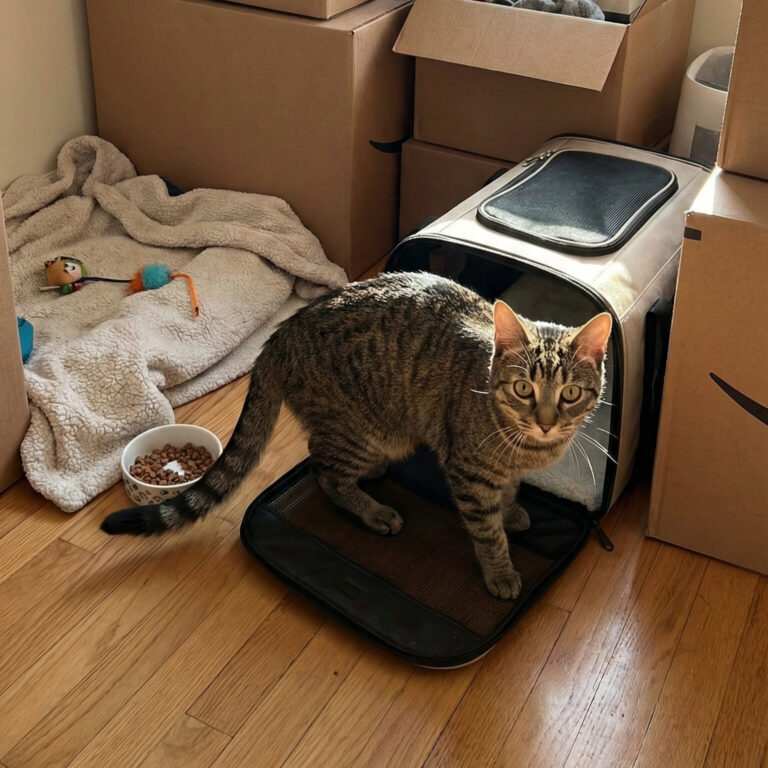
To help a cat adjust after moving homes, start by setting up a dedicated “safe room” in the new house with their litter box, food, water, and bedding before letting

To reduce aggression between household cats, first separate them to de-escalate tension. Reintroduce them slowly using scent swapping and visual barriers. Ensure each cat has its own resources, including food
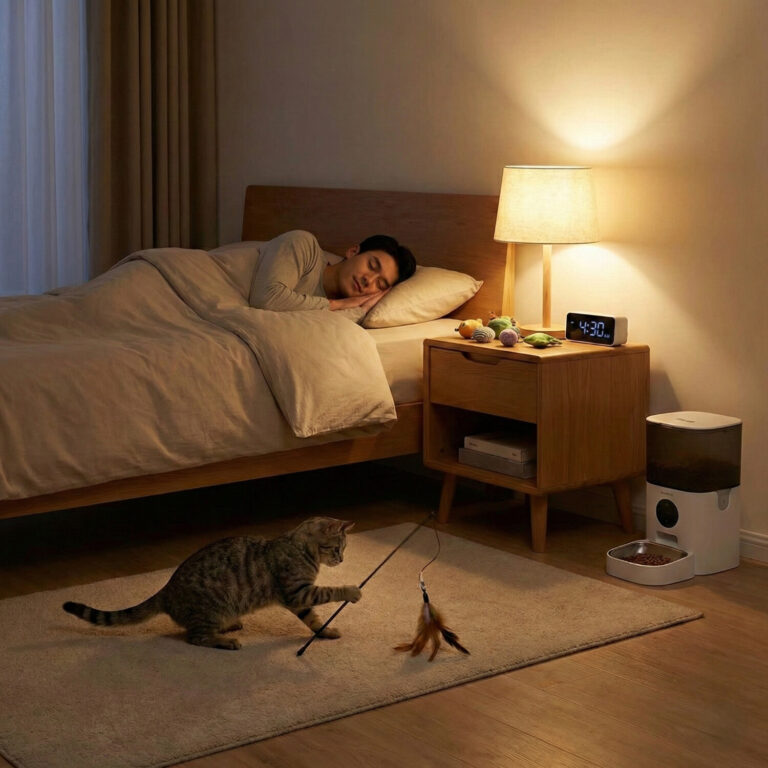
To stop a cat from waking you at night you must reset their internal body clock by simulating a hunt before bed. Engage them with intense interactive play using a
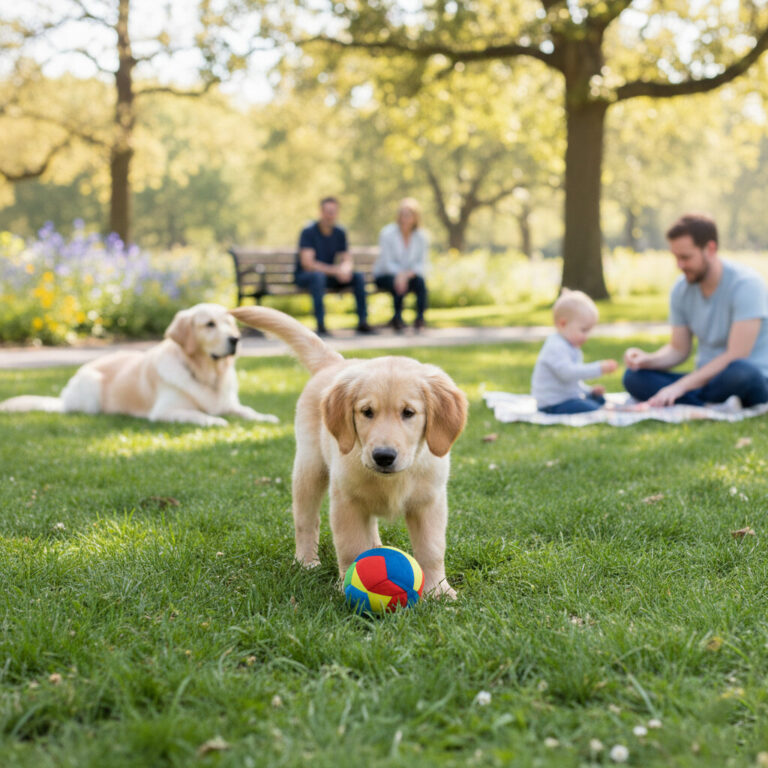
Puppy socialization is the process of safely exposing a young dog to new people, animals, environments, and sounds during their critical developmental window (typically 3 to 14 weeks of age).
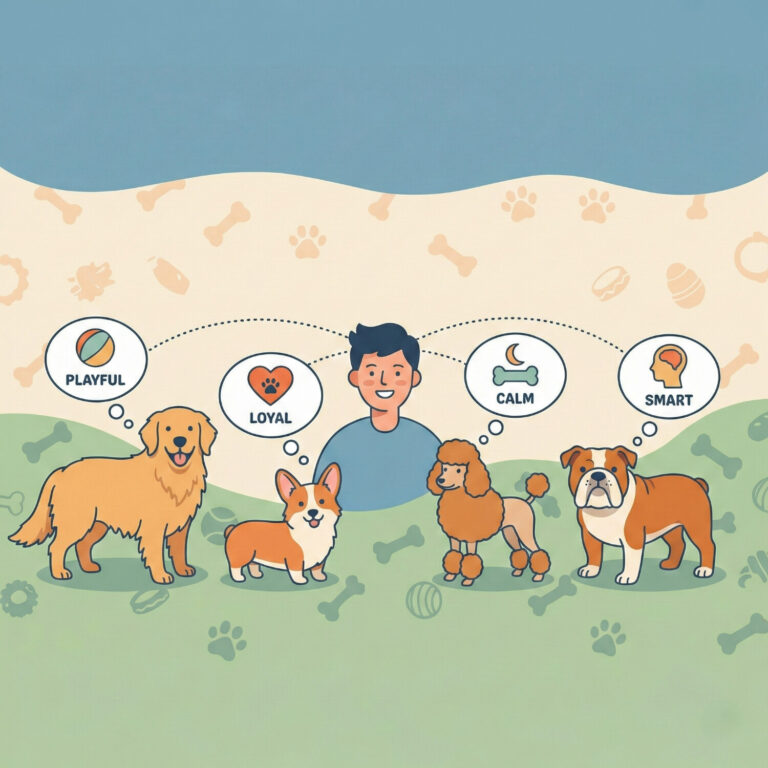
While dog breeds definitely influence physical traits, recent scientific studies show that breed explains only about 9% of a dog’s individual personality. While certain instincts (like herding, pointing, or howling)
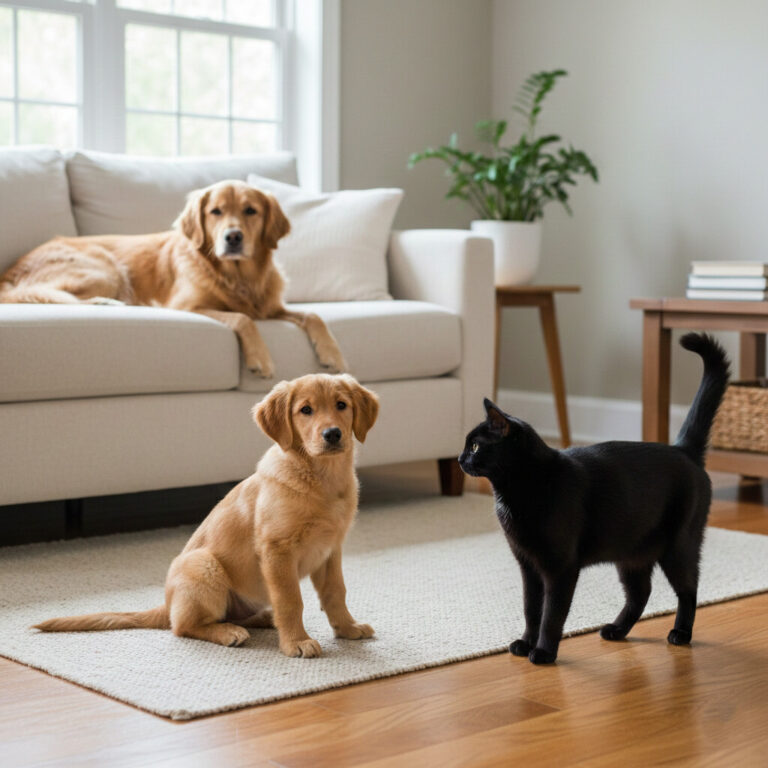
To introduce a puppy to other pets successfully, take it slow and prioritize safety. Start with scent swapping by exchanging blankets or toys before they meet face-to-face. Next, allow visual
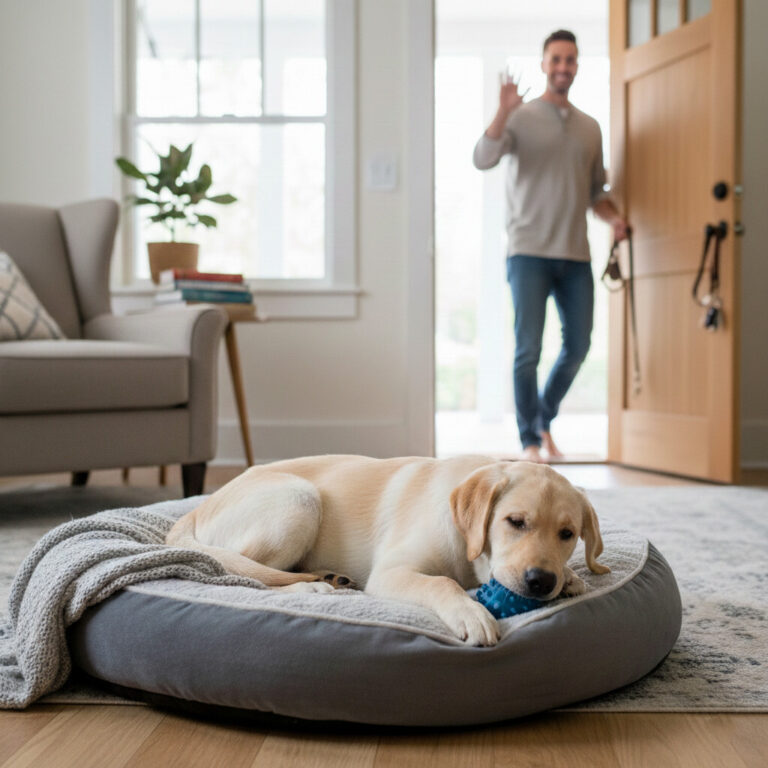
To prevent separation anxiety in puppies, gradually acclimate them to being alone by starting with short intervals and increasing time slowly. Create a safe, comfortable space like a crate or
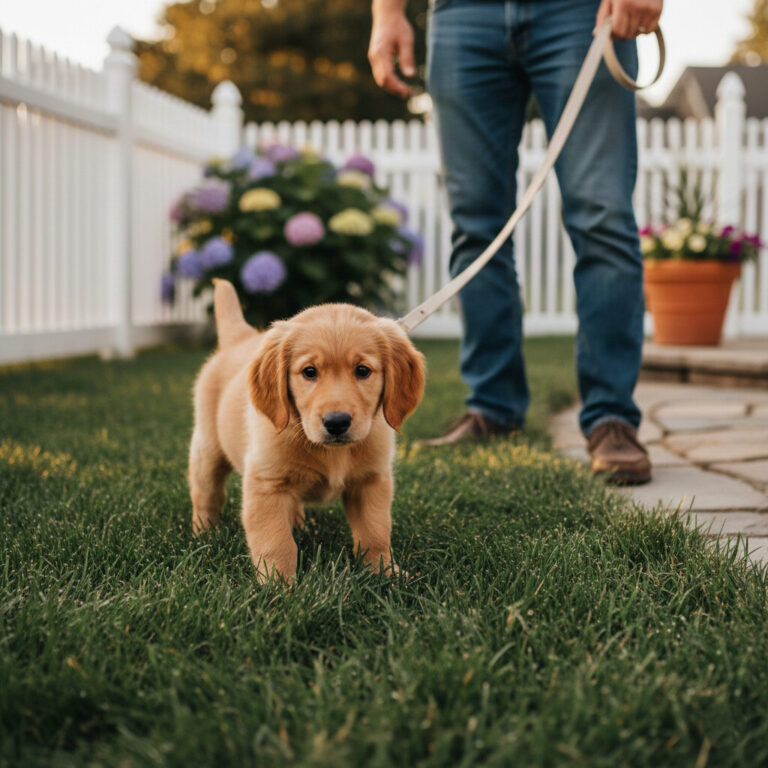
Puppies can safely explore private, enclosed backyards as early as 8 weeks old, provided no unvaccinated dogs have visited recently. However, for public areas like parks, sidewalks, and pet stores,
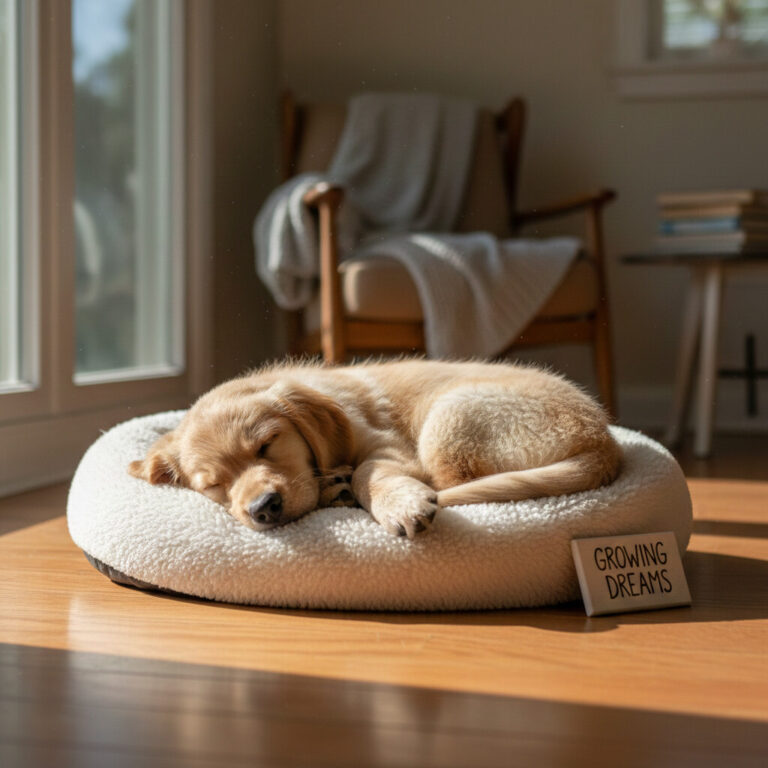
Puppies generally need 18 to 20 hours of sleep per day. This high amount of sleep is essential for their rapid growth, brain development, and immune system health. While it