Dogs
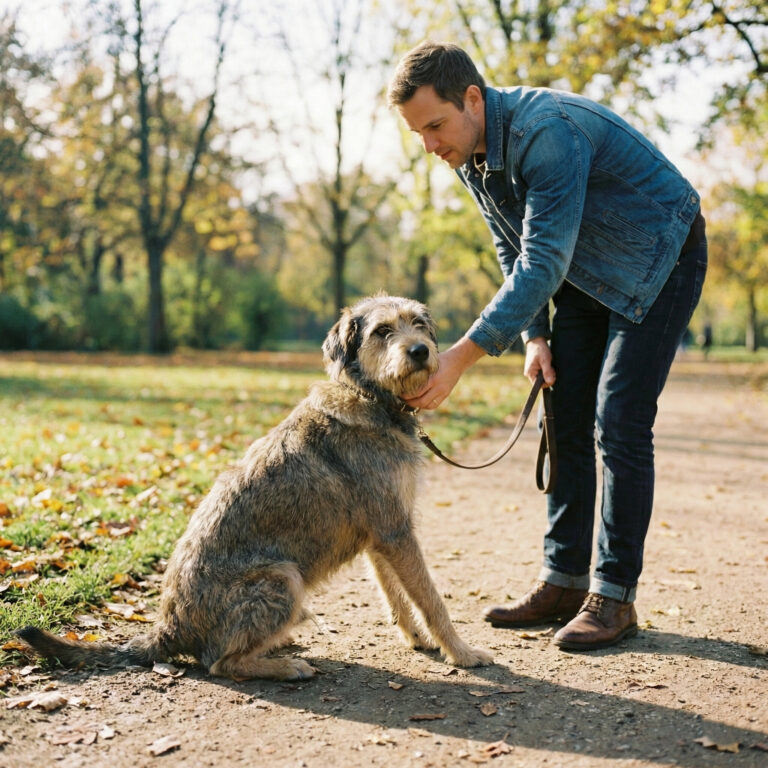
What to Do If Your Dog Is Stubborn
If your dog is acting stubborn, they aren’t trying to annoy you; they are likely confused, unmotivated, or fearful. To fix this, stop repeating commands, which teaches them to ignore

If your dog is acting stubborn, they aren’t trying to annoy you; they are likely confused, unmotivated, or fearful. To fix this, stop repeating commands, which teaches them to ignore
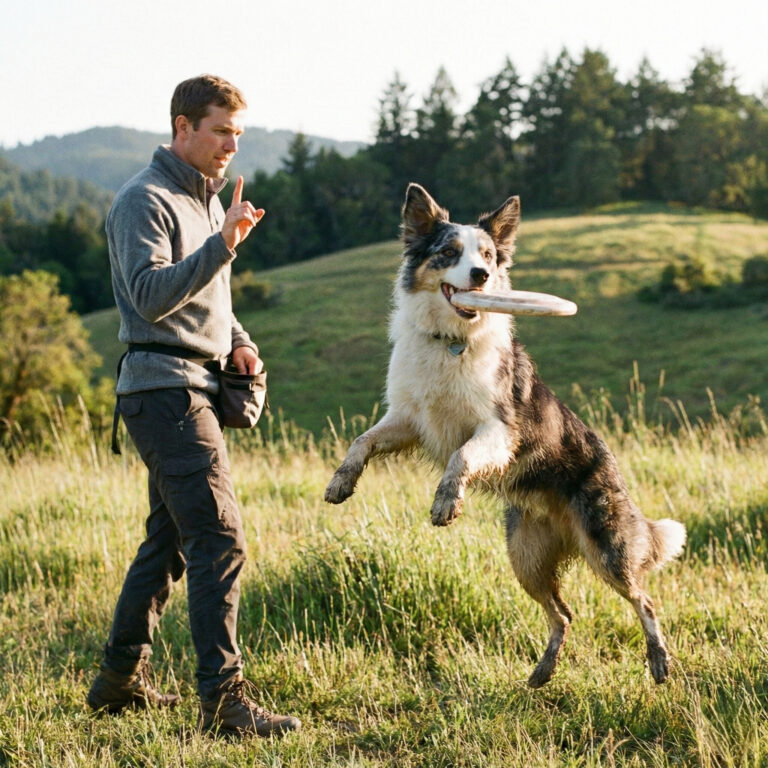
To train a high-energy dog, you must combine physical exercise with intense mental stimulation. A tired body is not enough; you need a tired brain. Focus on impulse control training,
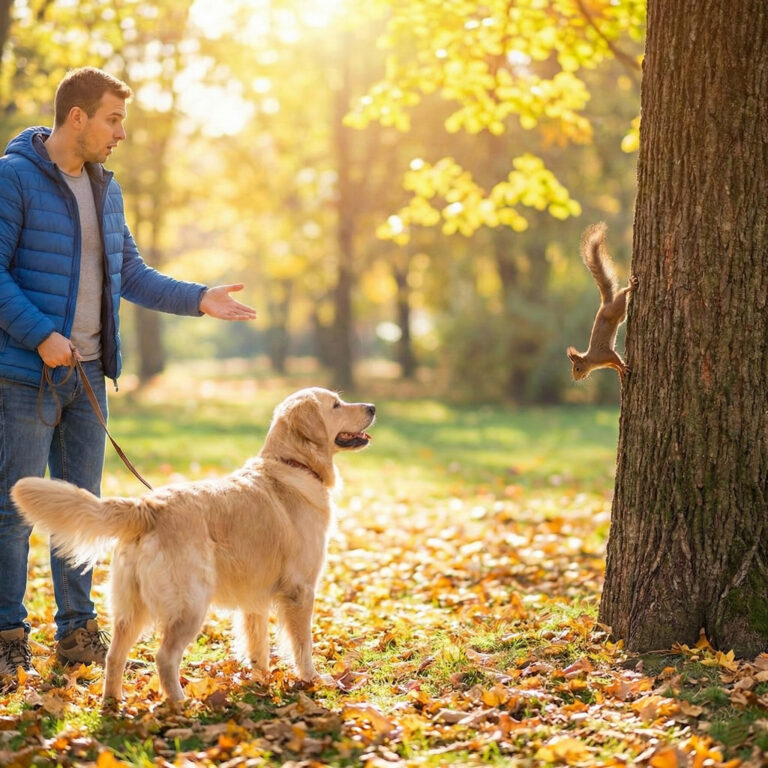
Dogs ignore commands outside primarily because they have not generalized the behavior to new environments or because the distractions (like smells, other animals, or noises) are more rewarding than the
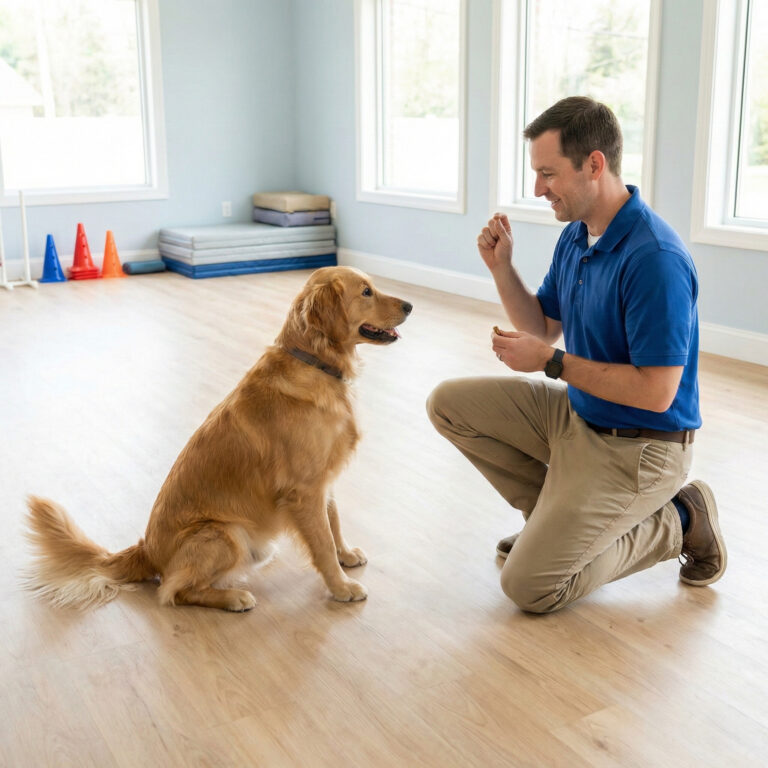
A dog training session should typically last between 5 to 15 minutes. For young puppies (under 6 months), keep sessions strictly to 3–5 minutes to match their short attention spans.
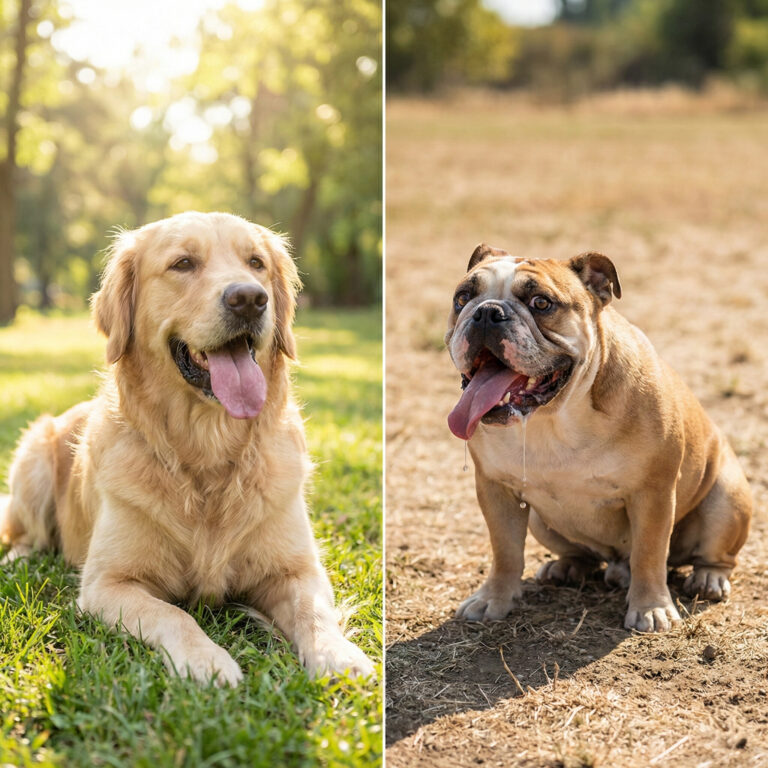
Normal panting is a dog’s primary way to cool down or express excitement. It should resolve quickly once the dog rests or cools off, and the dog should appear bright

Bad breath in dogs, medically known as canine halitosis, is most frequently caused by periodontal disease resulting from plaque and tartar buildup. Other common causes include dietary indiscretions (such as

Obesity significantly shortens a dog’s lifespan by an average of 1.8 to 2.5 years. Excess fat is not just inactive weight; it is biologically active tissue that secretes inflammatory hormones,

Signs of hormonal imbalance in dogs typically include unexplained hair loss (alopecia), significant changes in weight (gain or loss) without diet changes, excessive thirst and urination (polyuria/polydipsia), and noticeable shifts
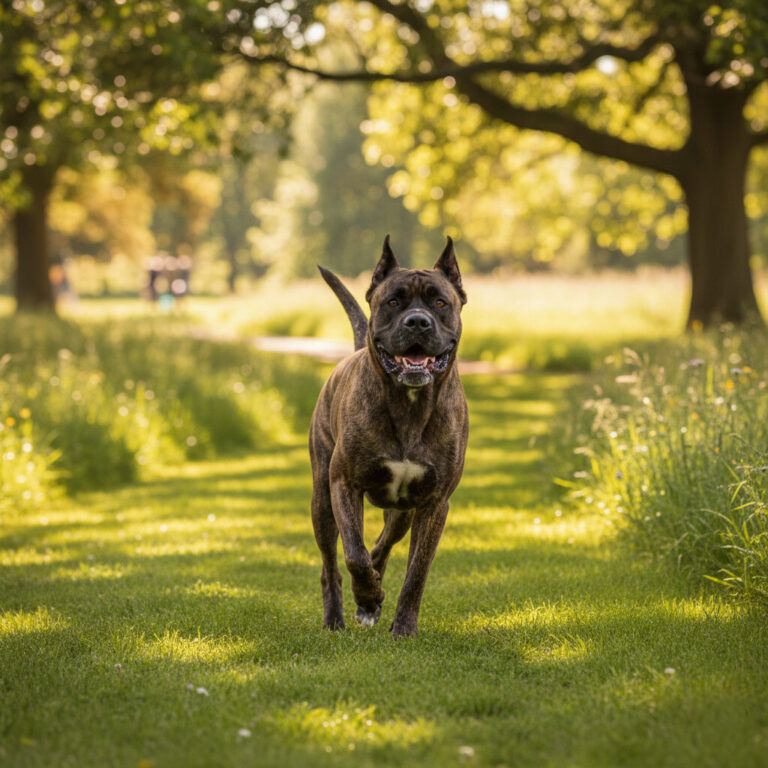
To prevent joint problems in dogs, the most effective strategy is maintaining a healthy weight to reduce stress on the body. You should also provide a balanced diet rich in
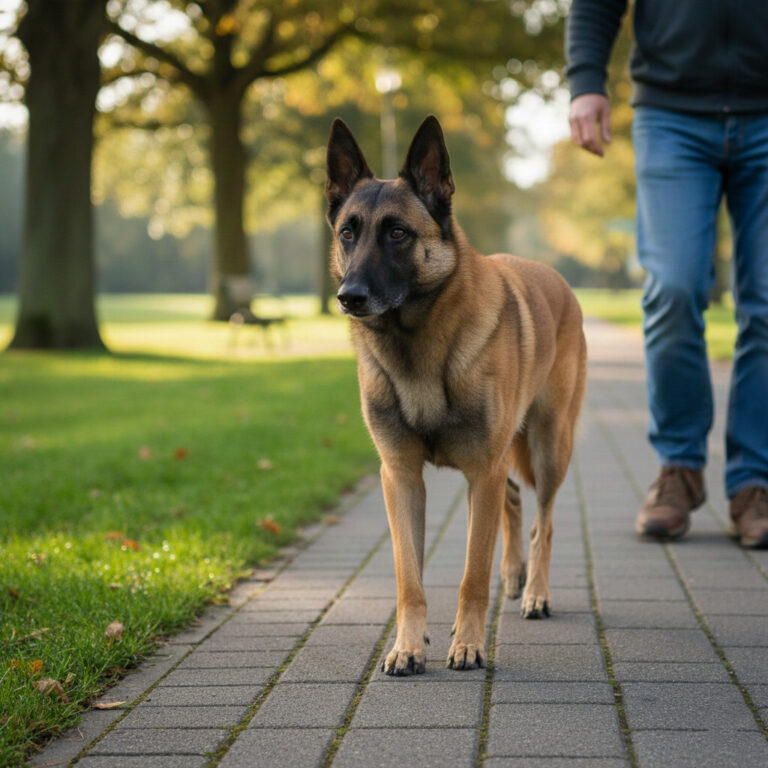
Dogs limp due to a wide variety of causes ranging from minor issues like a thorn in the paw or a muscle strain to serious conditions like arthritis, ligament tears

To check your dog’s vital signs, focus on four key areas: temperature, heart rate, respiratory rate, and mucous membranes. Use a digital thermometer to check rectal temperature (normal is 100°F–102.5°F).
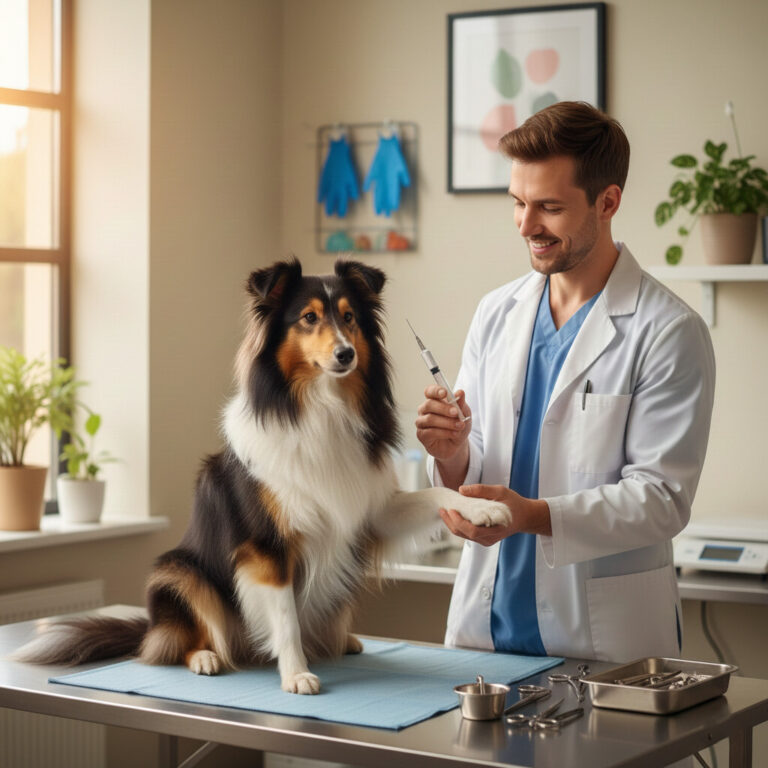
Dog vaccinations are medical injections that prime your pet’s immune system to fight off highly contagious and often deadly diseases. They are divided into two categories: Core vaccines (essential for