Cats
Signs of Anxiety in Cats and How to Manage It
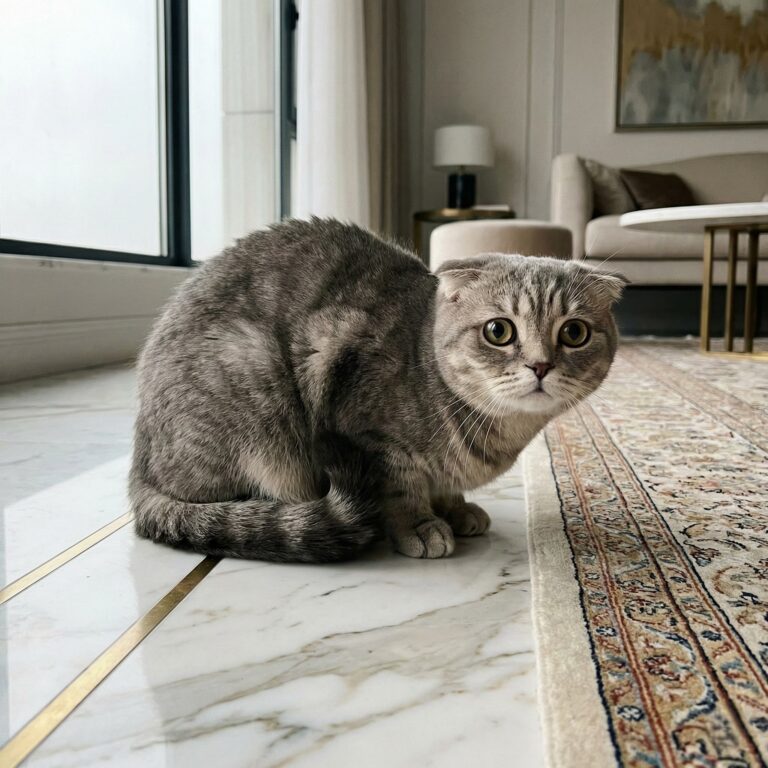
What are the signs of anxiety in cats? Common signs of anxiety in cats include behavioral changes like hiding, aggression, and urinating outside the litter box. Physical symptoms often involve

What are the signs of anxiety in cats? Common signs of anxiety in cats include behavioral changes like hiding, aggression, and urinating outside the litter box. Physical symptoms often involve
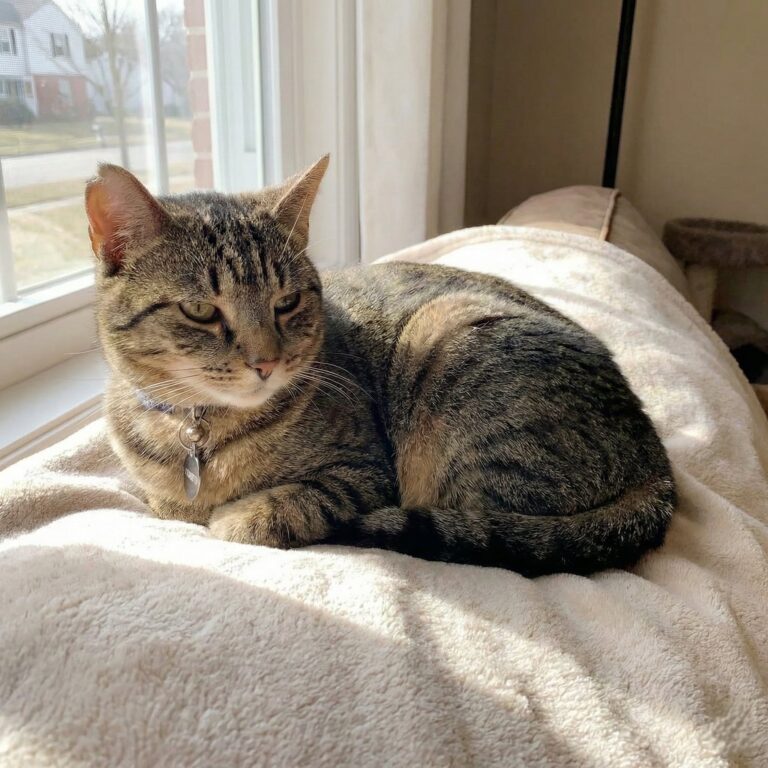
Spaying or neutering significantly modifies a cat’s behavior by reducing or eliminating sex hormones like testosterone and estrogen. This procedure typically stops hormonally driven actions such as territorial spraying (marking),
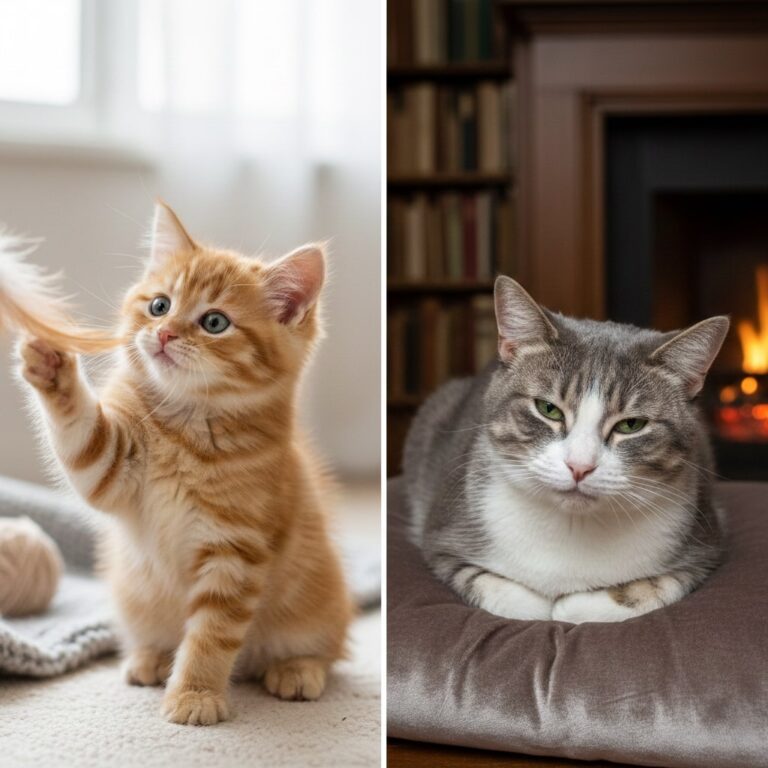
A cat is generally considered senior between the ages of 11 and 14 years old, which is roughly equivalent to a human in their 60s and 70s. However, veterinarians often
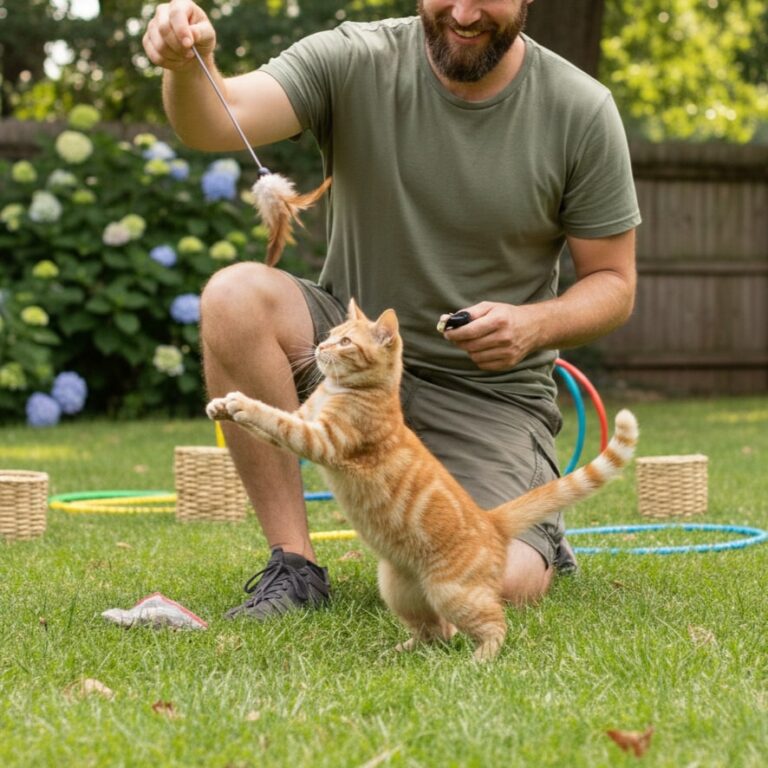
Yes. Science confirms that cats are highly trainability via operant conditioning. Unlike dogs, who are often motivated by social praise, cats are primarily motivated by high-value rewards (food or play).
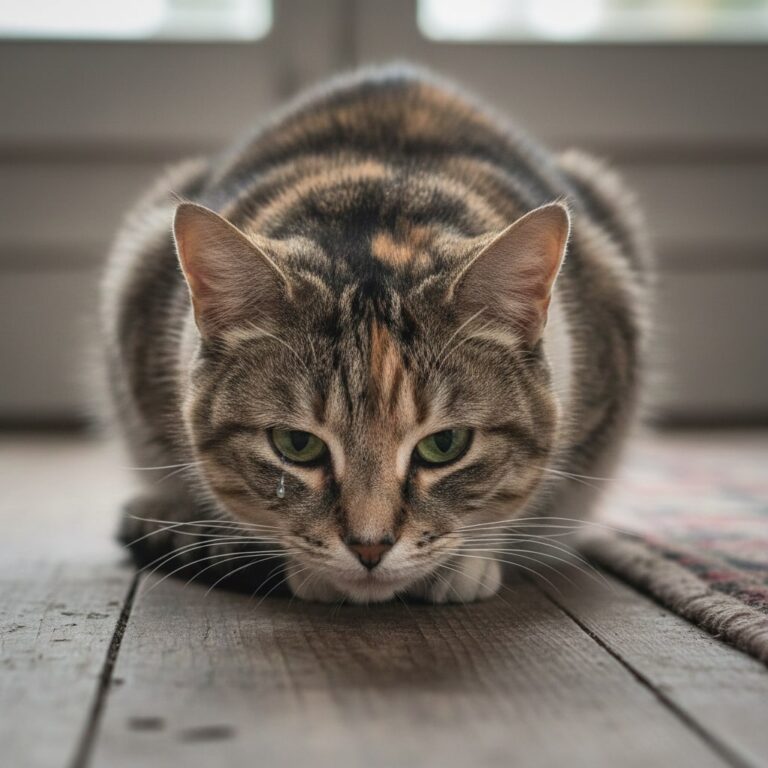
A stressed cat often exhibits sudden behavioral changes such as urinating outside the litter box (inappropriate elimination), excessive grooming leading to bald patches, and increased aggression or irritability. Physical signs
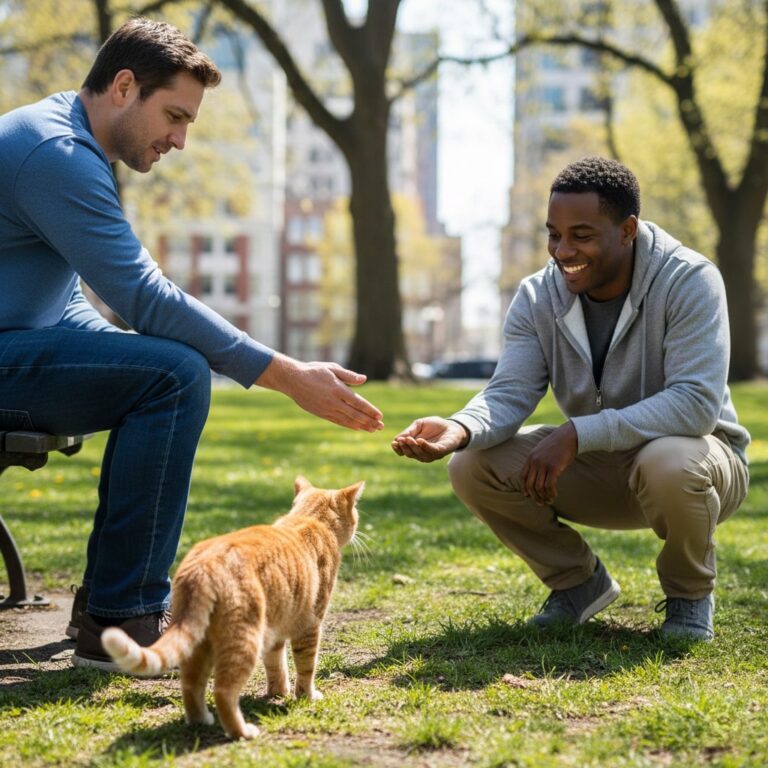
Cats often choose a favorite person based on communication style, predictability, and resource provision. They gravitate toward individuals who respect their boundaries, use subtle body language (like slow blinks), and
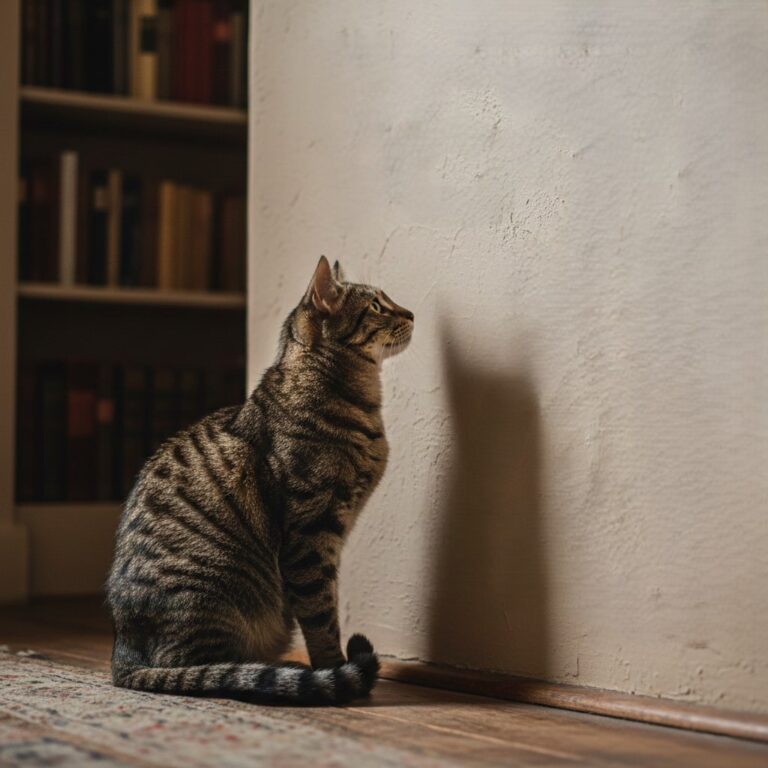
Cats usually stare at walls because their superior senses detect things humans cannot perceive. They may see tiny insects, dust motes, or shifting shadows, or hear high-pitched sounds like pipes
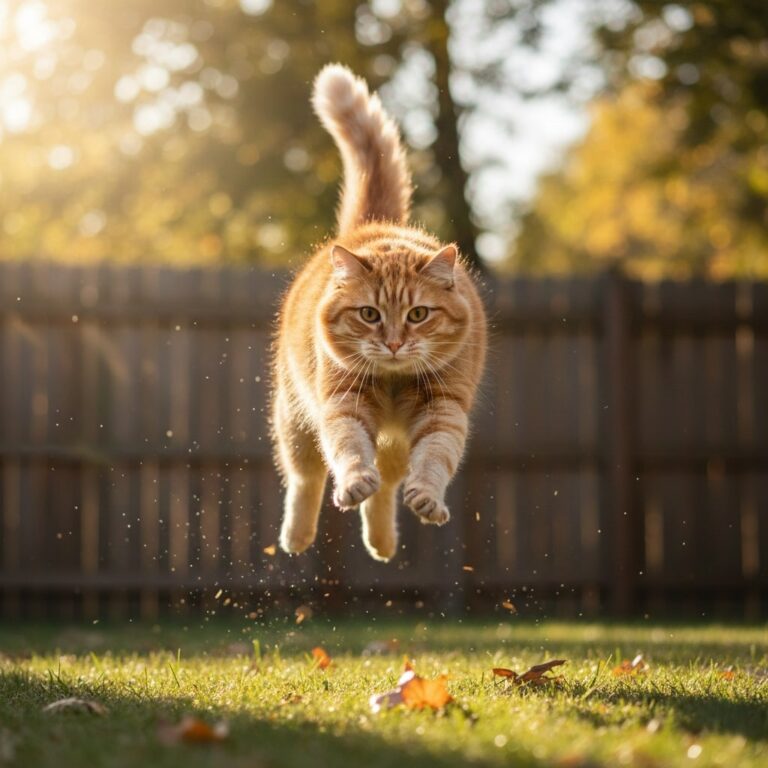
Cats get the “zoomies,” scientifically known as Frenetic Random Activity Periods (FRAPs), primarily to release pent-up energy. Because cats are ambush predators who sleep for large portions of the day,
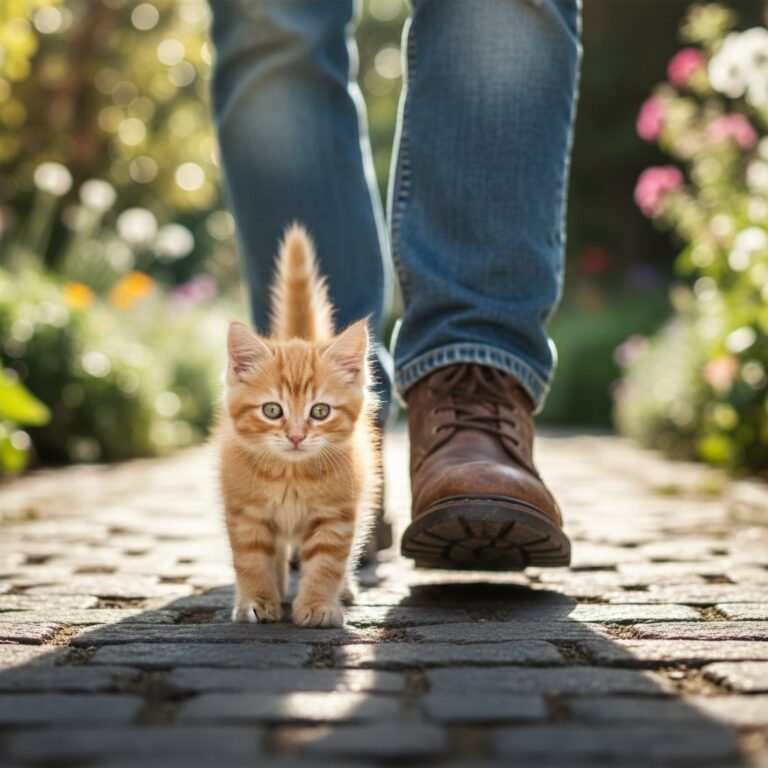
Cats follow you everywhere primarily because they share a deep social bond with you and view you as a source of security, resources, and companionship. This behavior, often called “shadowing,”
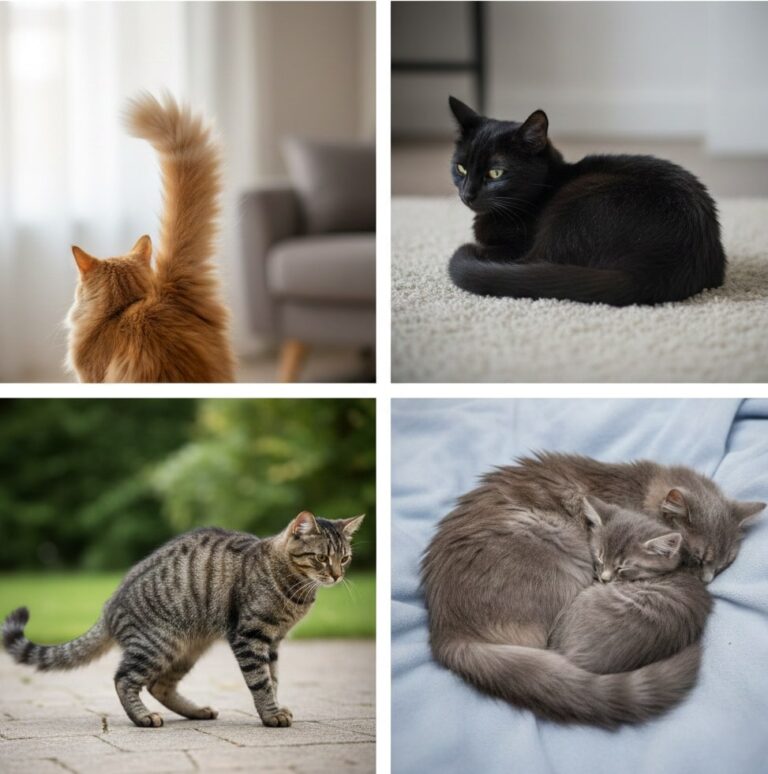
Cat tail positions are a primary form of feline body language used to communicate emotions and intentions. A high, upright tail generally signals happiness and confidence, while a tucked tail
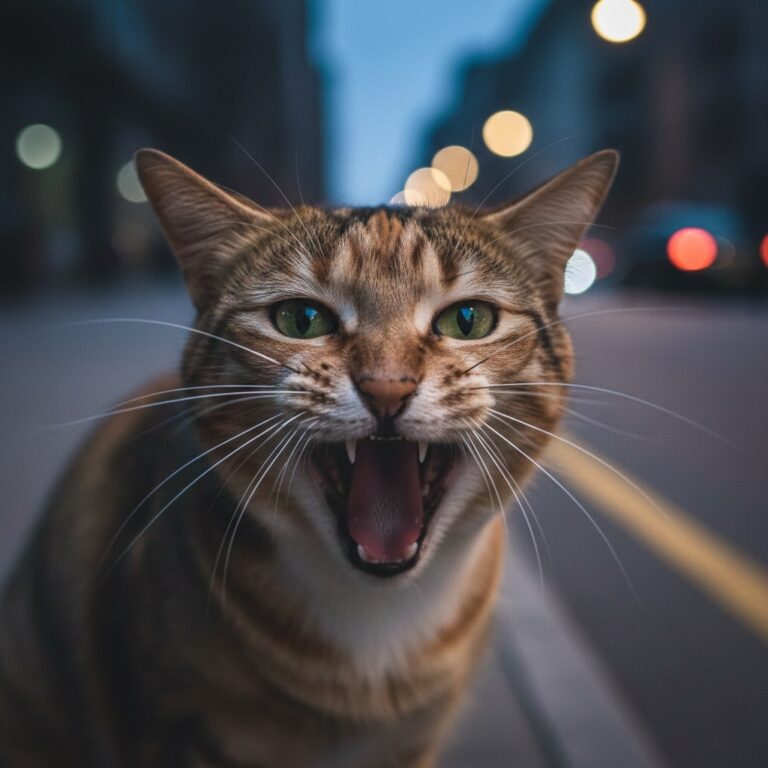
Cats are crepuscular, meaning they are biologically wired to be most active at dawn and dusk, not the middle of the night. However, excessive nighttime meowing (night vocalization) is often
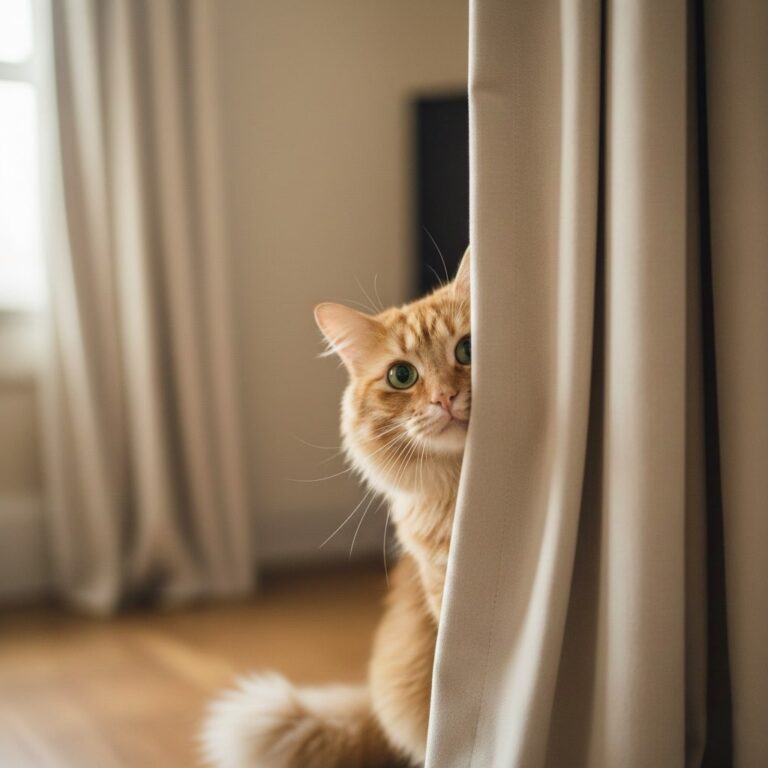
Cats hide when they are sick primarily due to their evolutionary survival instincts. In the wild, a sick or injured animal is weak and vulnerable to predators. To protect themselves,