Cats
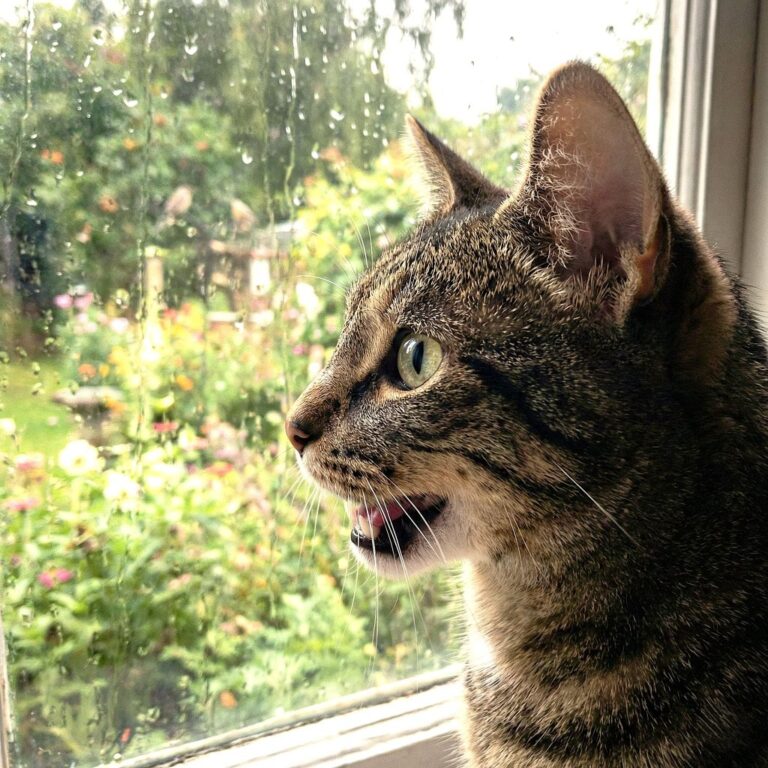
Why Cats Chirp or Chatter at Birds
Cats chirp or chatter at birds primarily due to an instinctive predatory response. This distinct rapid jaw movement and sound mimics the “neck bite” wild cats use to subdue prey

Cats chirp or chatter at birds primarily due to an instinctive predatory response. This distinct rapid jaw movement and sound mimics the “neck bite” wild cats use to subdue prey
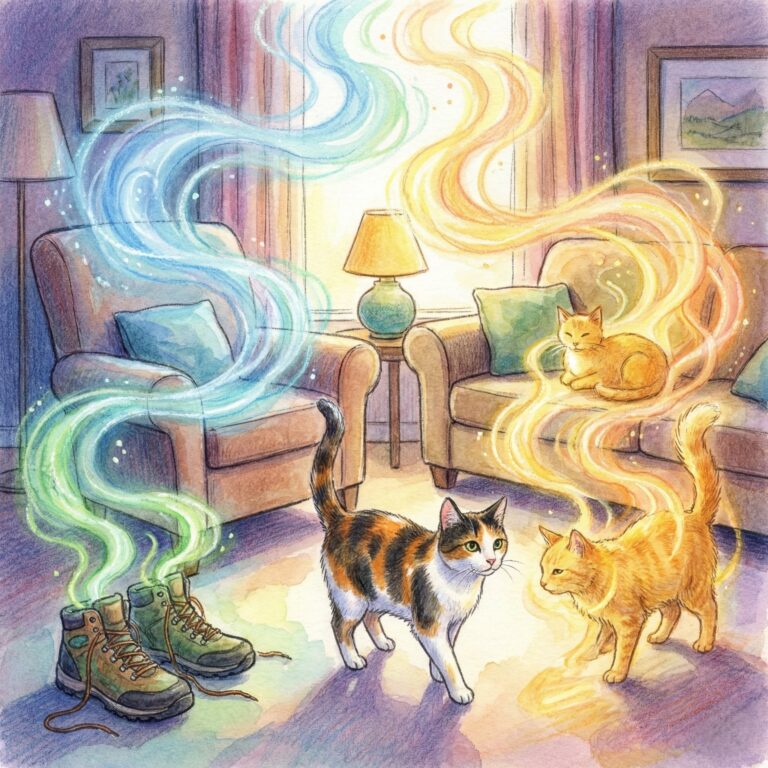
Cats communicate primarily through a complex chemical language involving pheromones and scent marking. By rubbing their faces on objects (bunting), scratching surfaces, or spraying urine, they leave behind unique olfactory
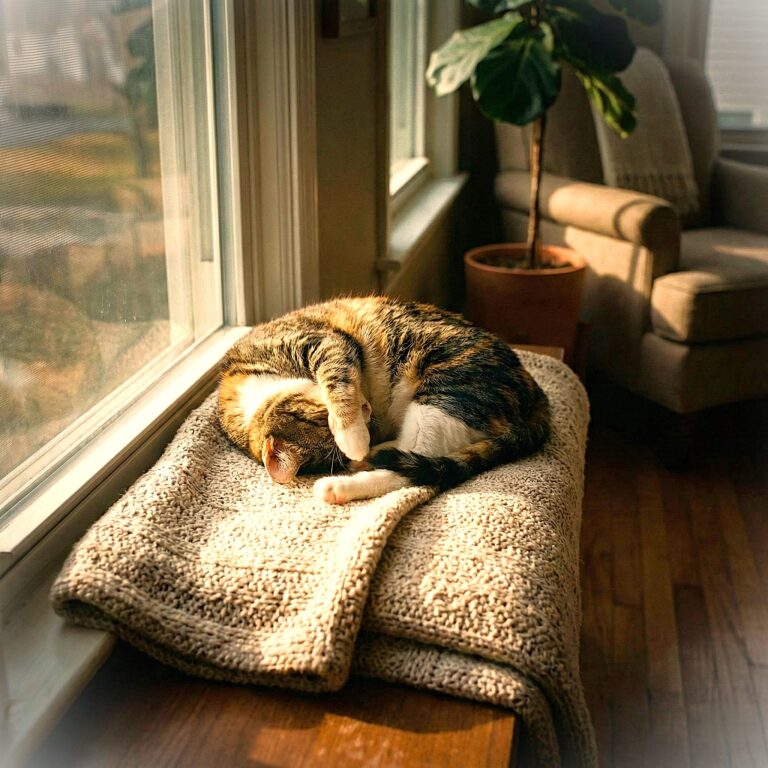
Cats typically sleep between 12 and 16 hours a day. However, this varies significantly by age. Kittens and senior cats often sleep up to 20 hours a day for growth

Cats knock things over primarily due to hunting instincts, boredom, or attention-seeking behavior. In the wild, cats use their paws to test if prey is alive or dangerous. Indoors, this
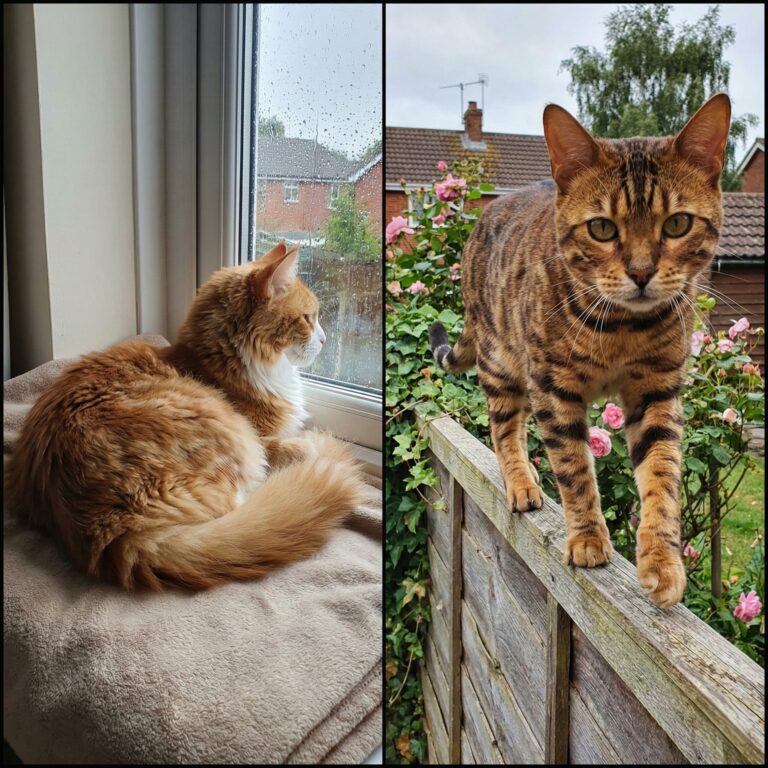
The choice between keeping a cat indoors or letting them outdoors largely depends on safety versus enrichment. Indoor cats generally live significantly longer (10 – 15+ years) and are safe
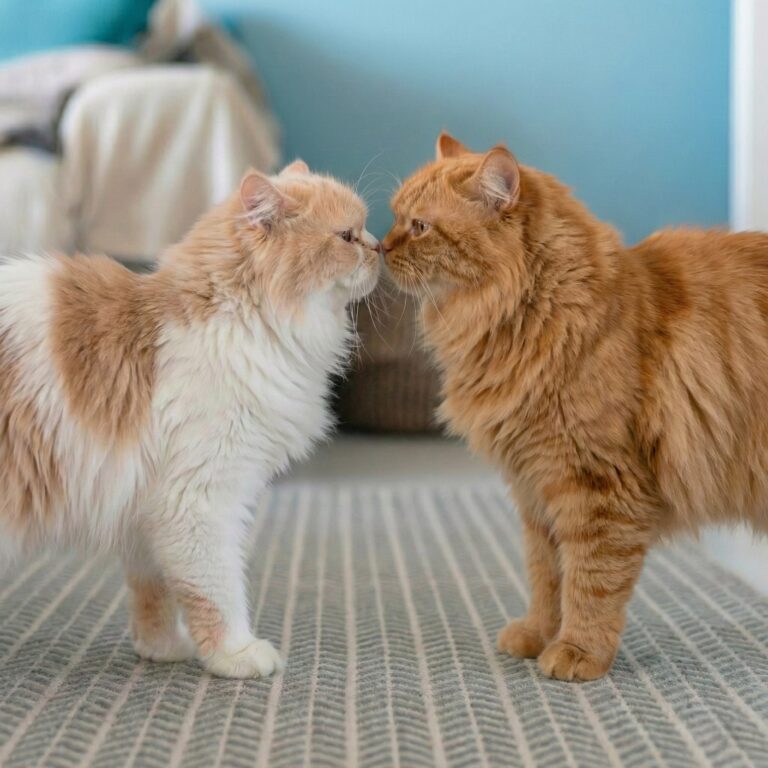
To introduce a new cat to your home successfully, follow a slow, phased approach. Start by isolating the new cat in a dedicated “safe room” with their own food, water,
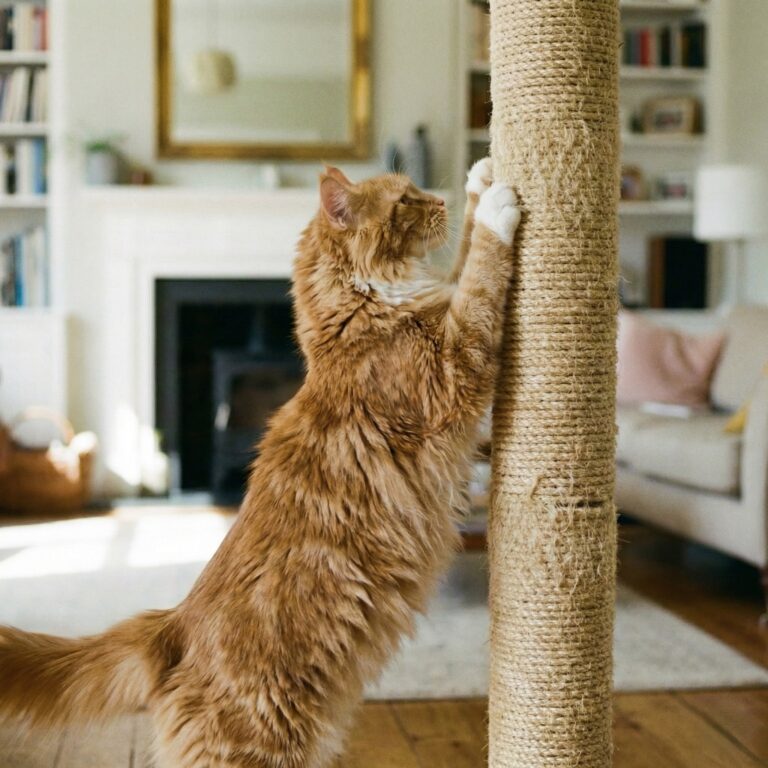
Cats scratch furniture to groom their claws, mark their territory with scent, stretch their muscles, and relieve stress. To stop it, you must provide appropriate alternatives like sturdy sisal posts,
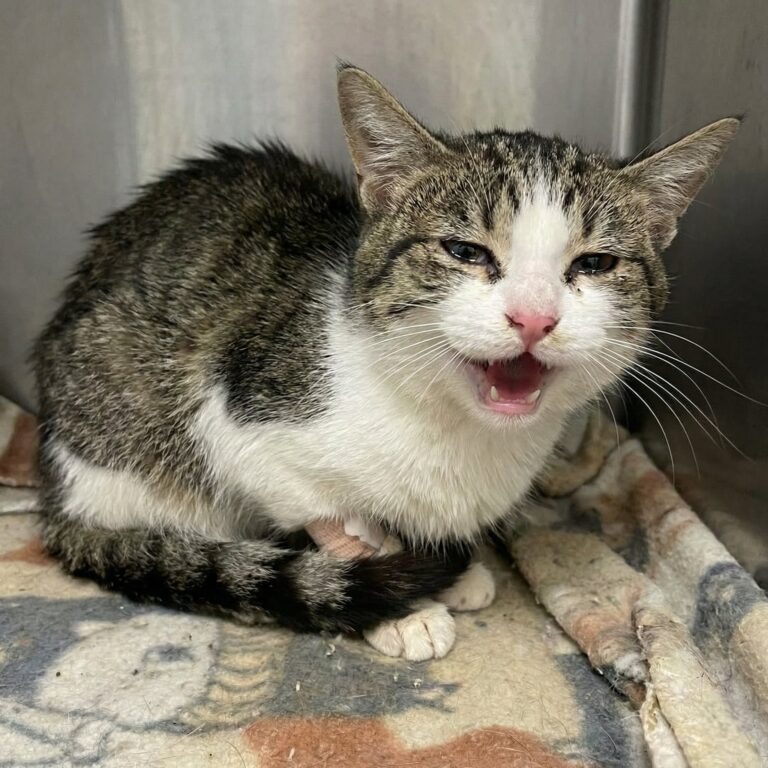
To determine if your cat is in pain, look for deviations from their normal routine. The most reliable indicators are behavioral changes rather than vocalizations. Common signs include hiding more
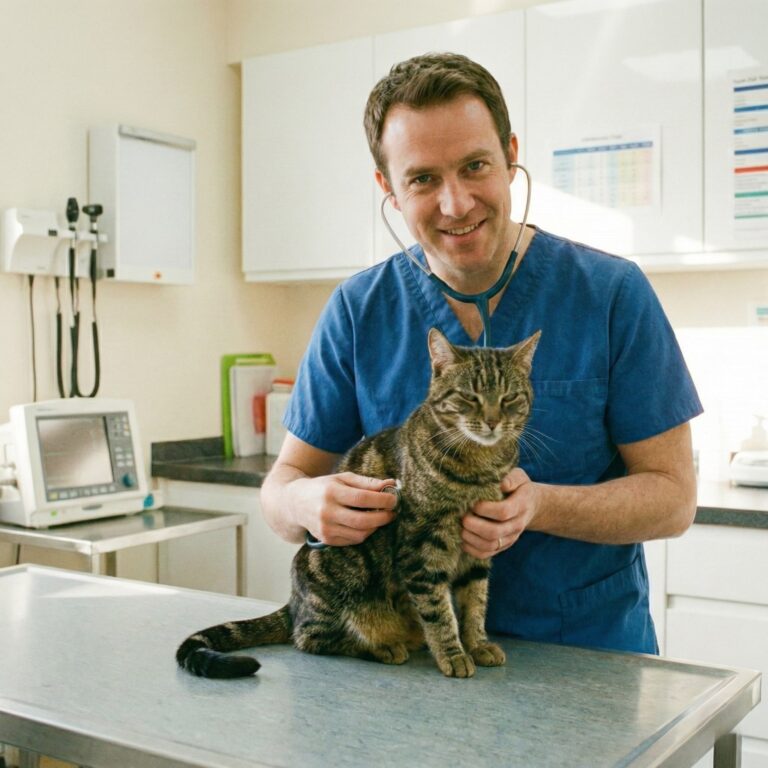
Regular veterinary visits are essential for indoor cats because they are masters at hiding pain and illness. Routine exams allow vets to detect silent killers like kidney disease, dental issues,
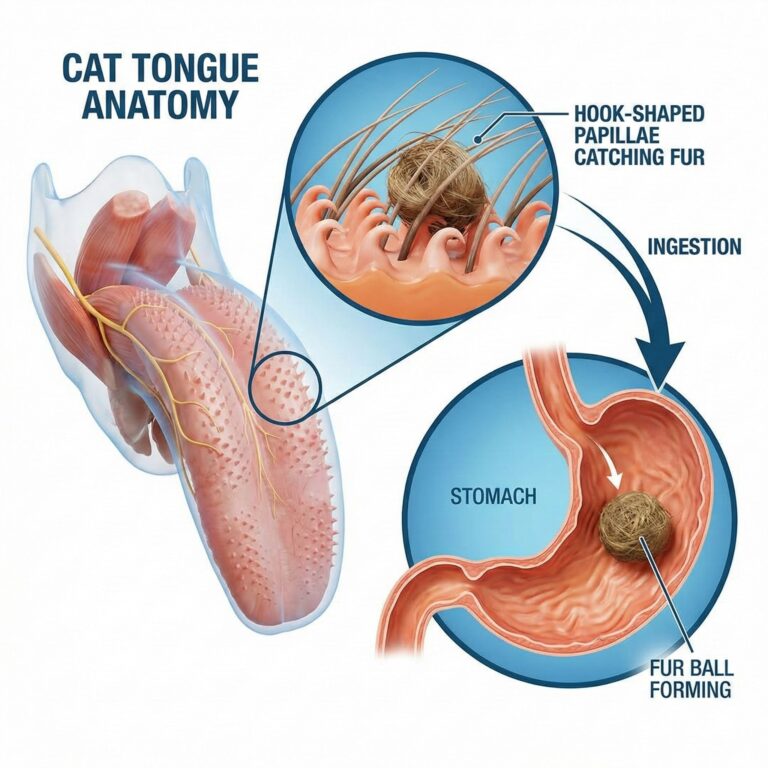
A hairball, scientifically known as a trichobezoar, is a clump of fur that accumulates in a cat’s stomach as a result of grooming. While most ingested fur passes through the
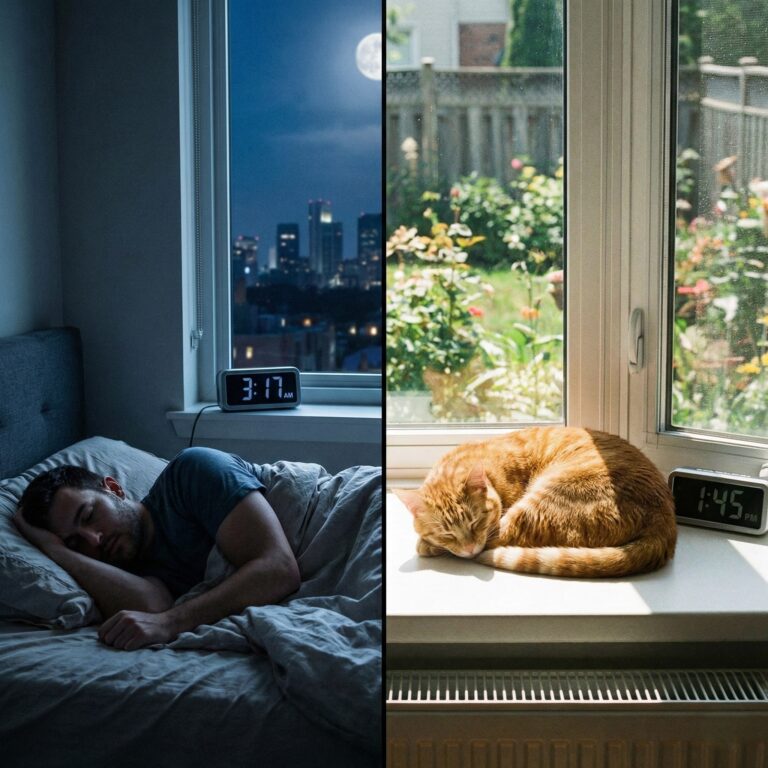
The primary difference between cat and human sleep lies in the structure and timing. Humans are diurnal and monophasic sleepers, typically resting for one consolidated 7 – 9 hour block
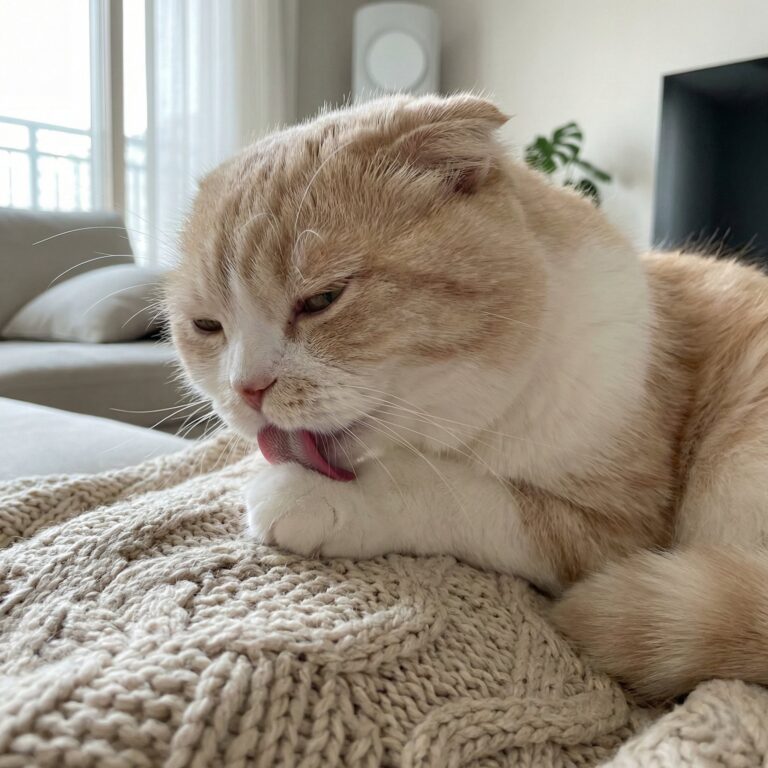
Cats groom themselves primarily to maintain hygiene, regulate body temperature, and remove scents that could attract predators. This behavior also serves as a self-soothing mechanism to reduce stress and helps