Dogs
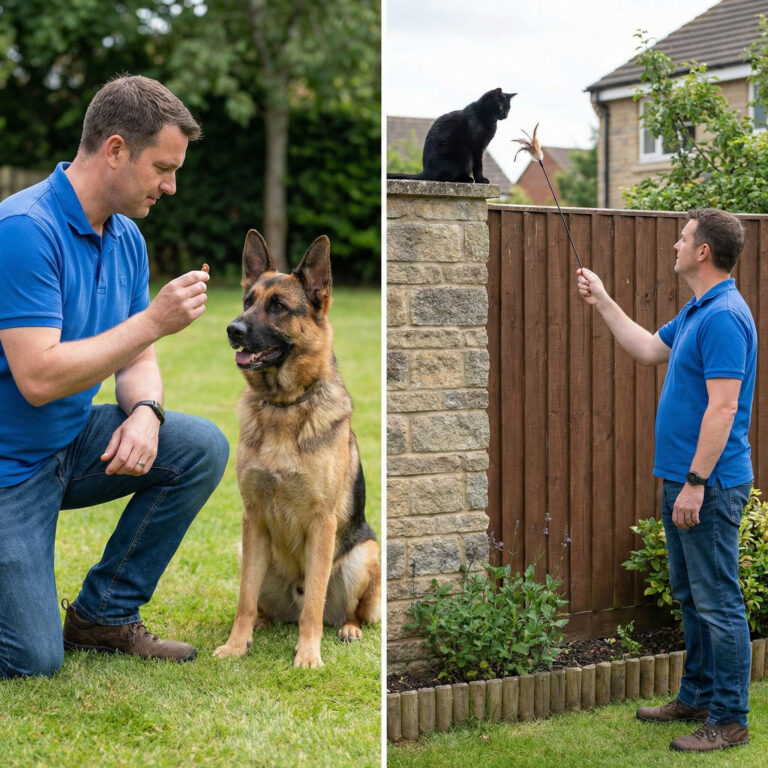
Dog vs Cat Training: Why One Is Easier
Dogs are generally easier to train than cats. Dogs have a natural desire to please their owners and follow social hierarchy, making them responsive to praise and commands. Cats are

Dogs are generally easier to train than cats. Dogs have a natural desire to please their owners and follow social hierarchy, making them responsive to praise and commands. Cats are
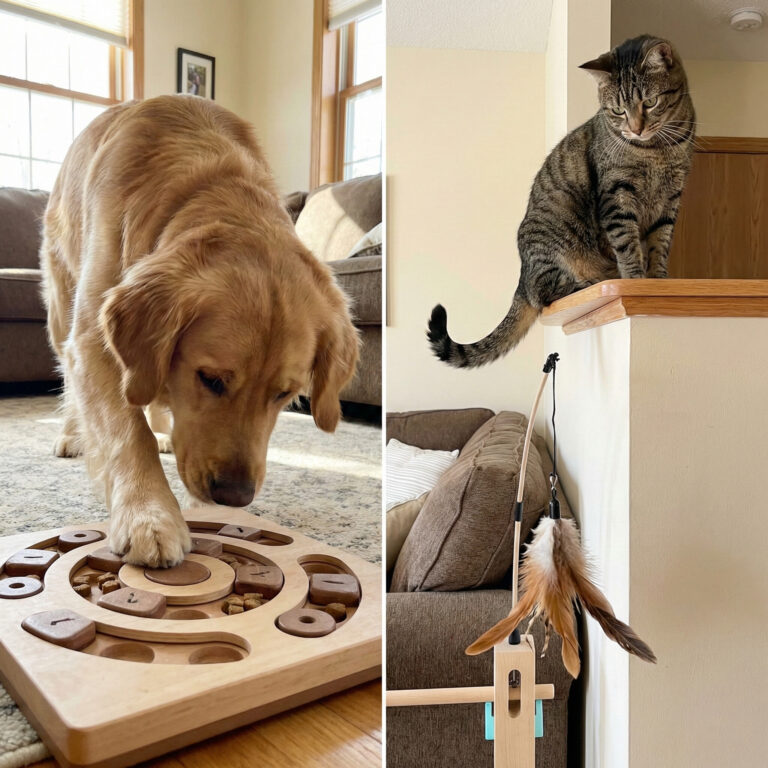
When comparing problem-solving skills in dogs versus cats, neither species is universally “smarter.” They use fundamentally different strategies rooted in their evolutionary history. Dogs are “social problem-solvers.” When faced with
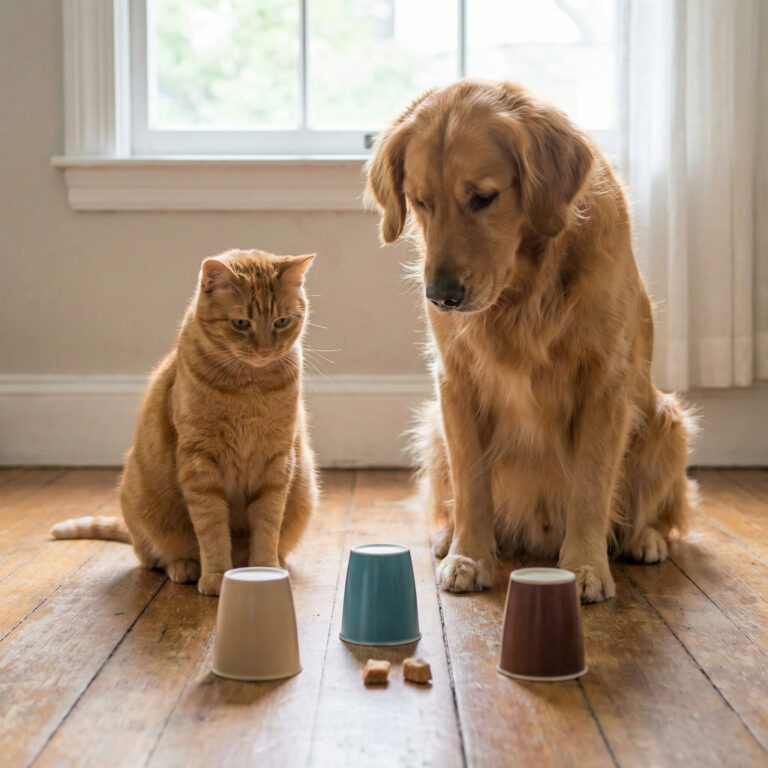
When it comes to short-term memory, cats are the clear winners. Studies suggest cats can retain information for up to 16 hours, whereas dogs typically forget specific details within 2

To safely clean your dog’s ears, lift the ear flap to straighten the L-shaped ear canal and fill it with a vet-approved ear cleaning solution. Gently massage the base of

Cats and dogs react to strangers differently due to their evolutionary history and social instincts. Dogs, as pack animals, generally look to their owners for cues; they may react with
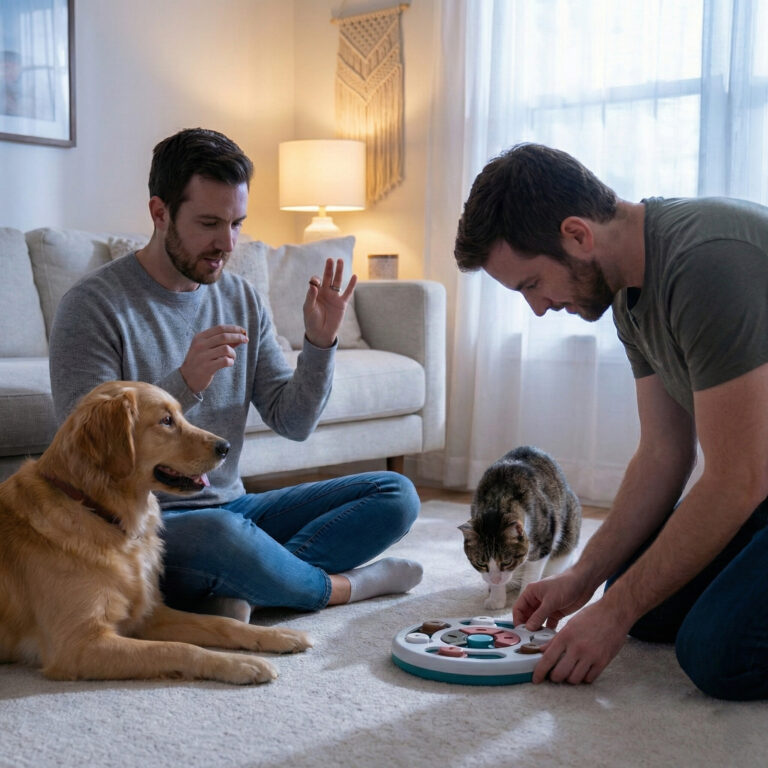
Cats and dogs learn from humans primarily through observational learning, social referencing, and associative conditioning. While dogs (pack animals) often look to humans for guidance and can imitate actions directly
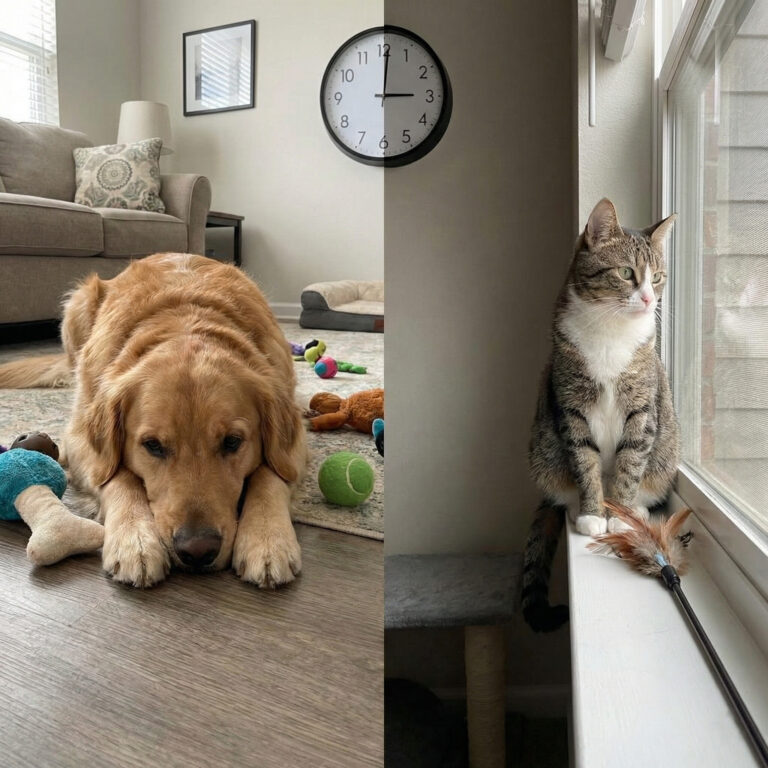
Generally, dogs get bored faster than cats. Because dogs are social pack animals evolved to work alongside humans, they require constant interaction, mental engagement, and physical exercise. When left alone

W bred dogs to look to humans for guidance and companionship. Conversely, cats evolved from solitary wild hunters. Their survival depended on self-reliance, stealth, and owning territory, not on group
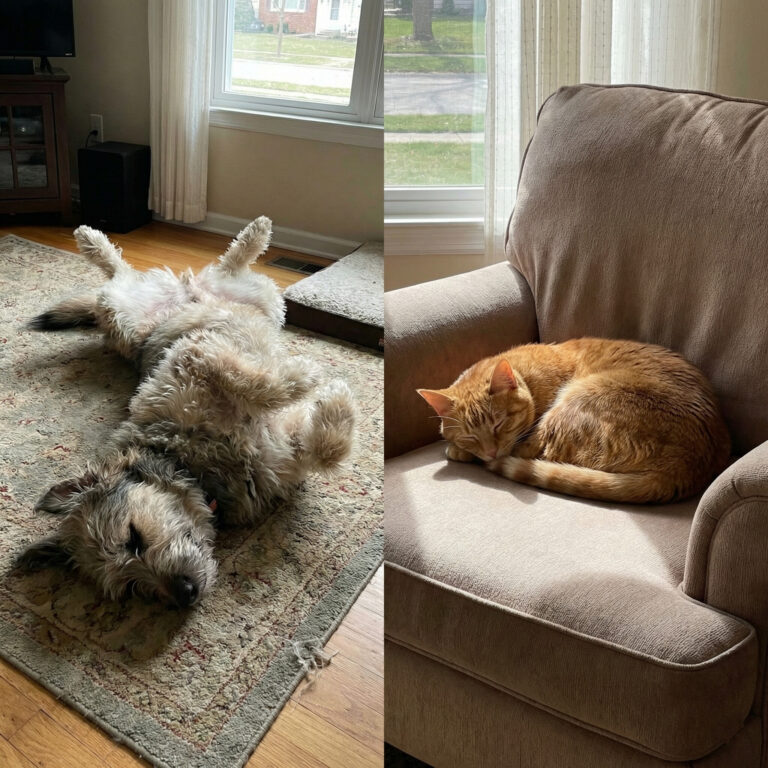
Dogs and cats have distinct sleeping habits driven by their evolutionary history. Dogs are social sleepers that have adapted to a diurnal (daytime) schedule to match their humans, though they

Generally, cats are considered more independent than dogs. This is largely due to their evolutionary history; dogs were bred to work alongside humans and rely on the pack structure, while
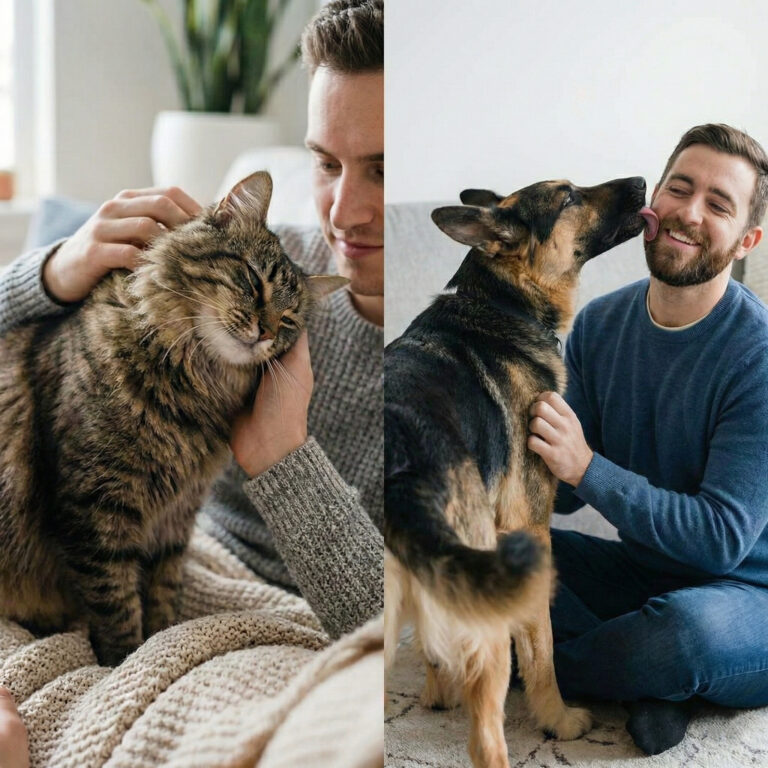
Dogs typically show affection through high-energy, obvious physical behaviors like wagging tails, licking, leaning against their owners, and maintaining eye contact. These actions stem from their history as pack animals.
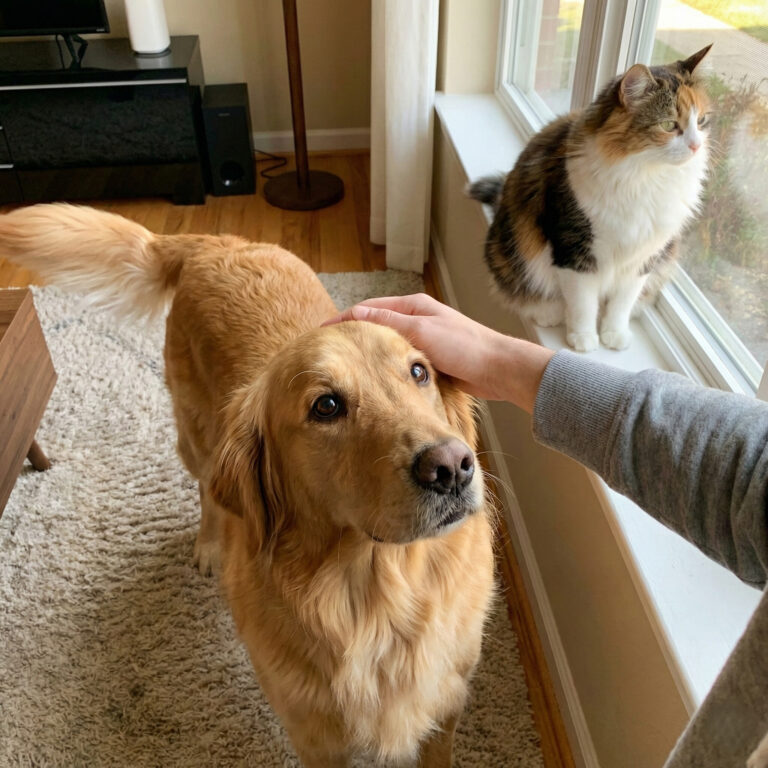
Dogs seek approval because they evolved from wolves, which are pack animals that rely on social hierarchy and cooperation to survive. They view humans as part of their pack and
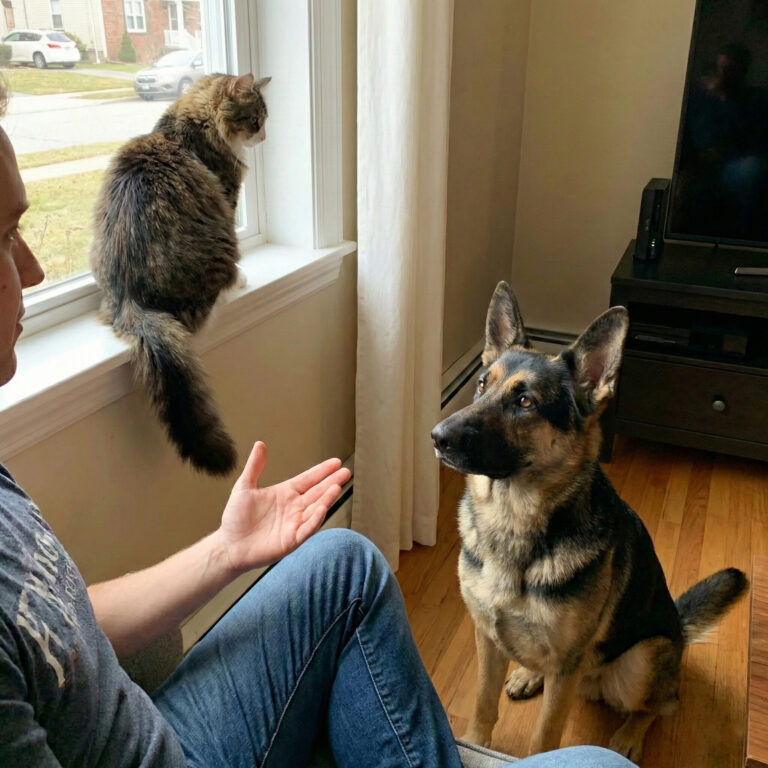
Cats ignore commands because they were not bred to work alongside humans like dogs were. Dogs have a “pack mentality” and a long history of selective breeding for cooperation, making
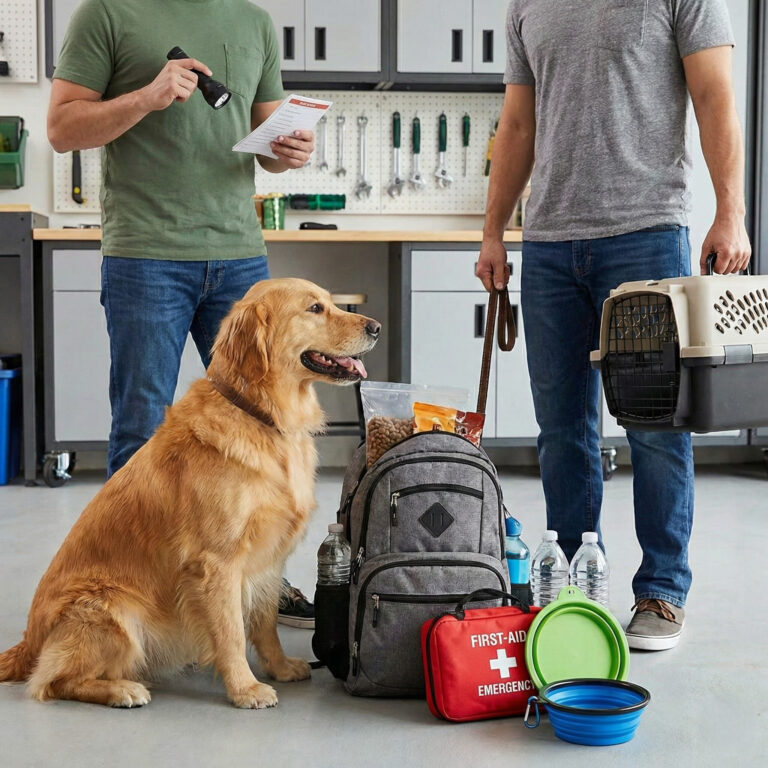
To prepare your dog for emergencies, you must create a specific pet disaster plan. Build a “grab-and-go” bag containing at least five days of food, water, medications, and copies of
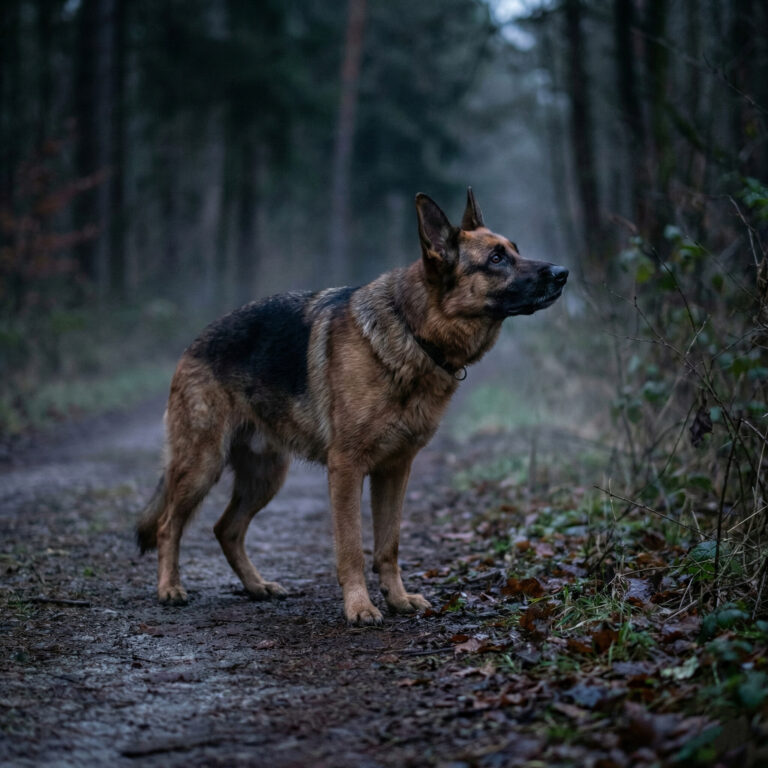
Dogs sense danger using a combination of their highly evolved biological senses, which are significantly more acute than humans’. Their primary tool is their sense of smell, allowing them to
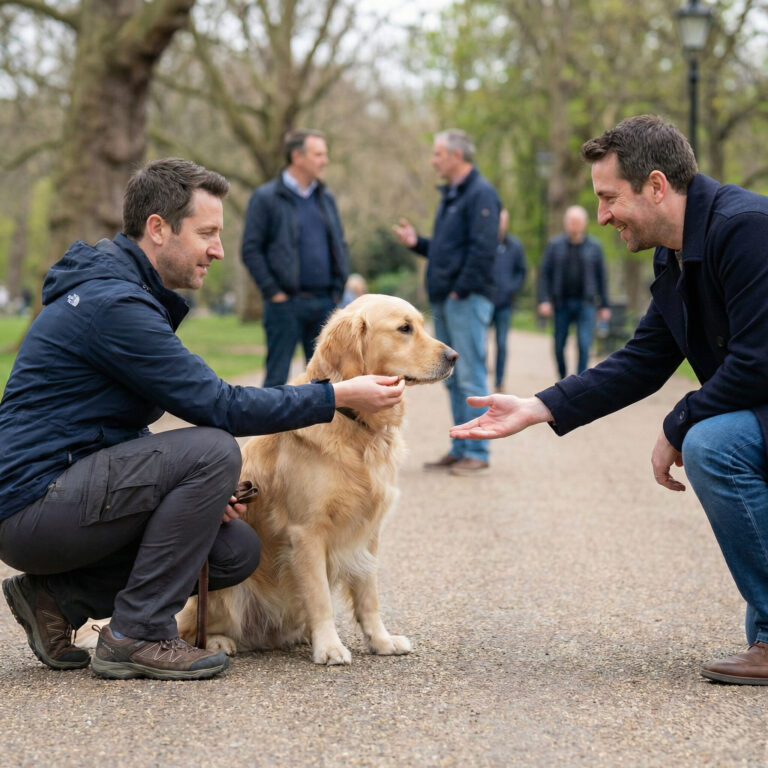
To teach a dog to be calm around strangers, use positive reinforcement to change their emotional response from fear or over-excitement to calmness. Start from a distance where the dog