Dogs
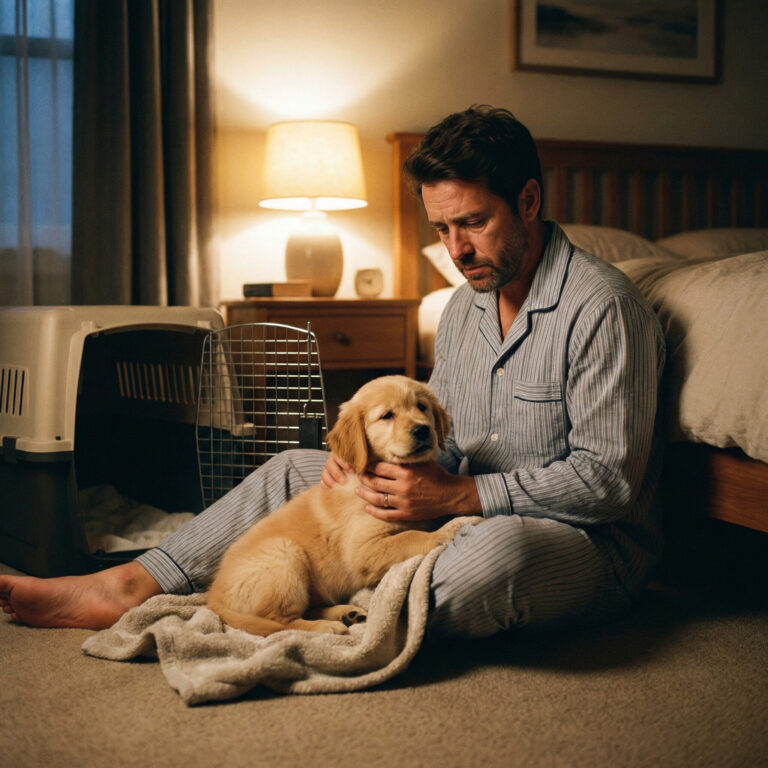
Why Do Puppies Cry at Night?
Puppies cry at night primarily due to separation anxiety, loneliness, and the stress of leaving their mother and littermates. Other common causes include physical needs


Puppies cry at night primarily due to separation anxiety, loneliness, and the stress of leaving their mother and littermates. Other common causes include physical needs
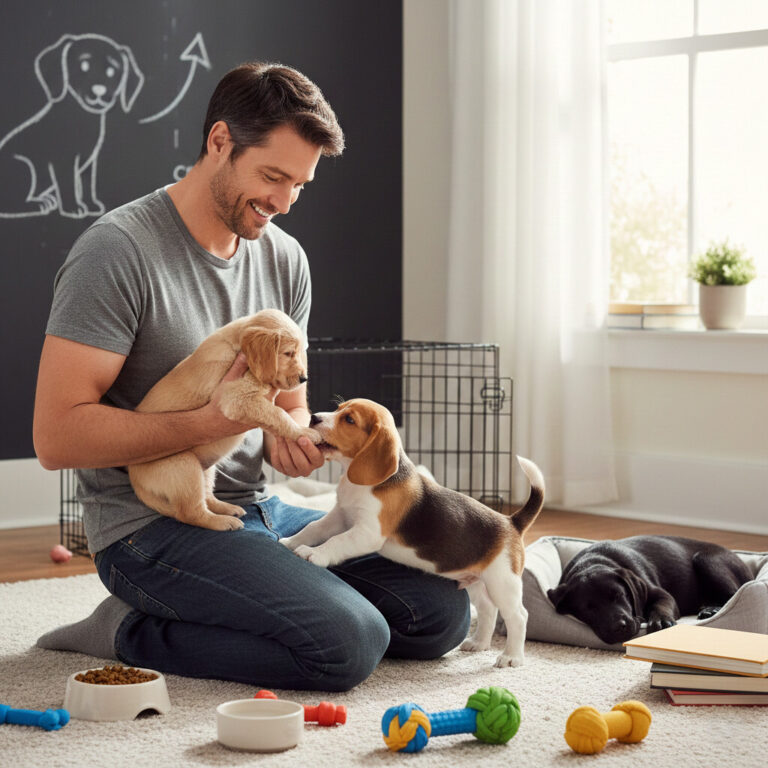
Puppy care and development involve guiding a dog from infancy through adulthood by focusing on specific growth milestones. Key aspects include providing age-appropriate nutrition, adhering
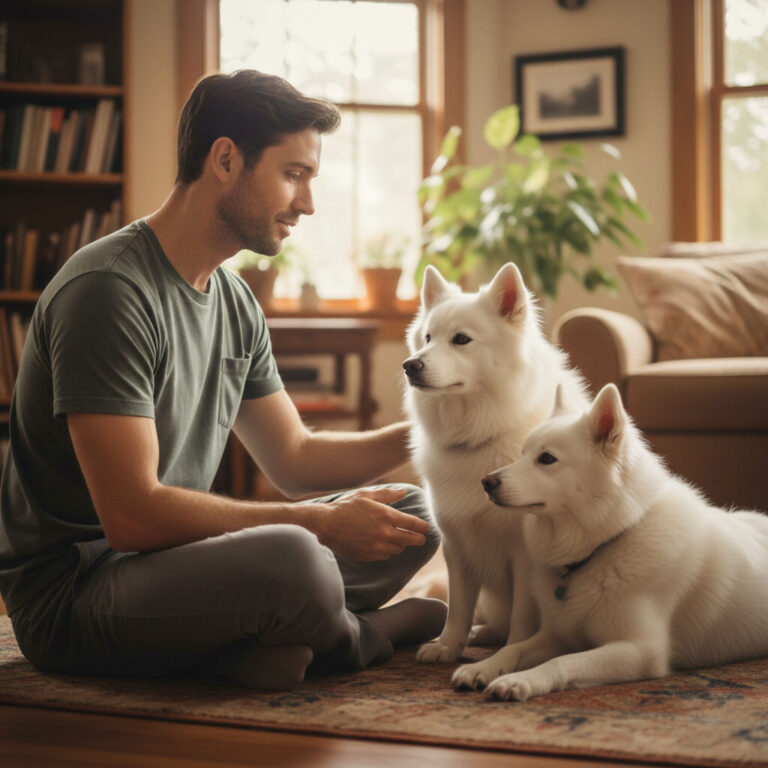
Dogs listen better to calm voices because their brains are wired to associate low, steady tones with safety and high, loud tones with distress or
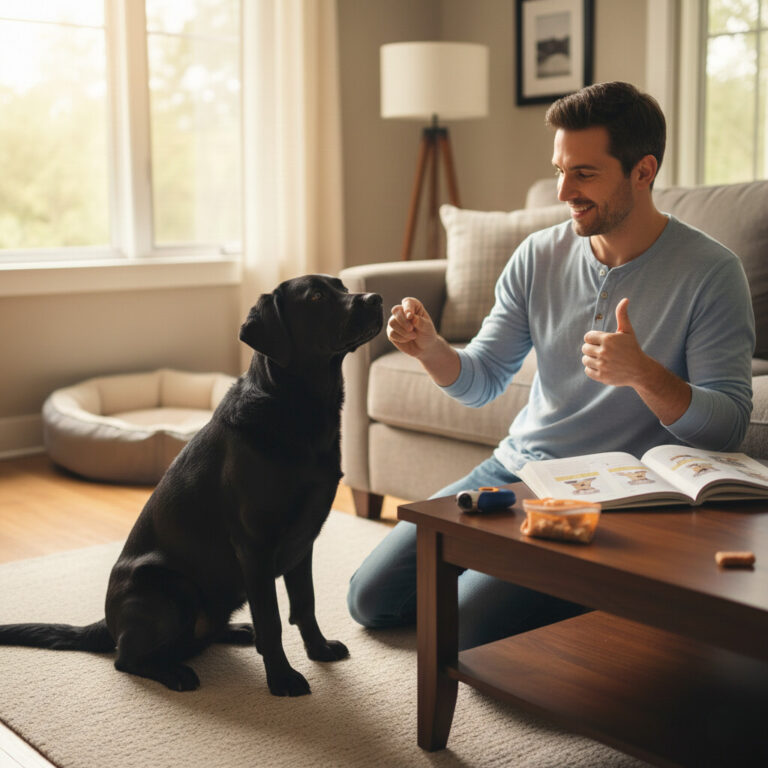
To correct unwanted dog behaviors without punishment, use positive reinforcement training. This involves ignoring or managing the unwanted action while immediately rewarding the dog for
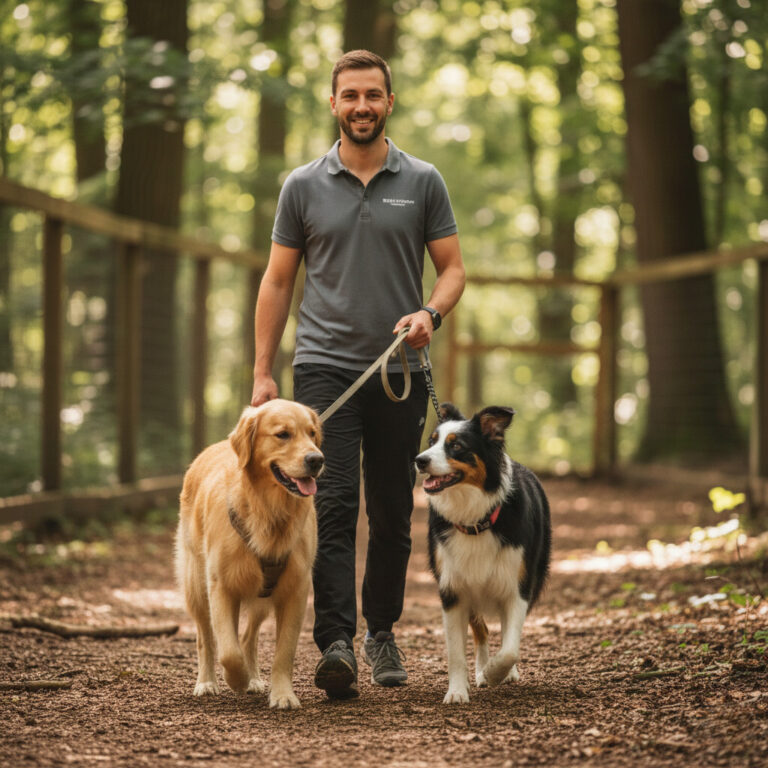
Yes, dog training significantly increases confidence by providing a clear communication structure, mental stimulation, and a sense of predictability. When a dog understands what is
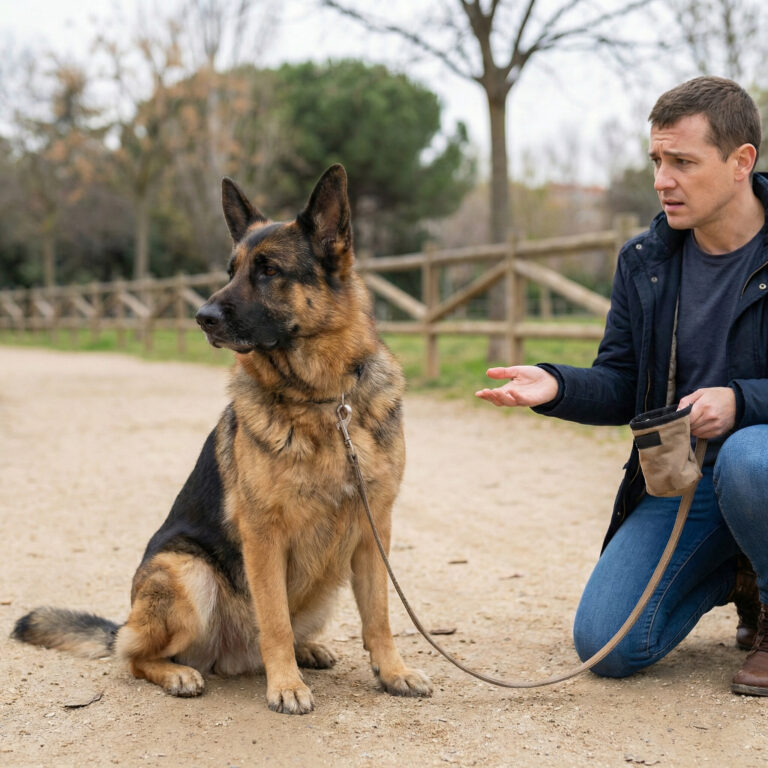
Dog training regression happens when a dog suddenly stops performing known behaviors or commands. It is a normal part of the learning process, often caused
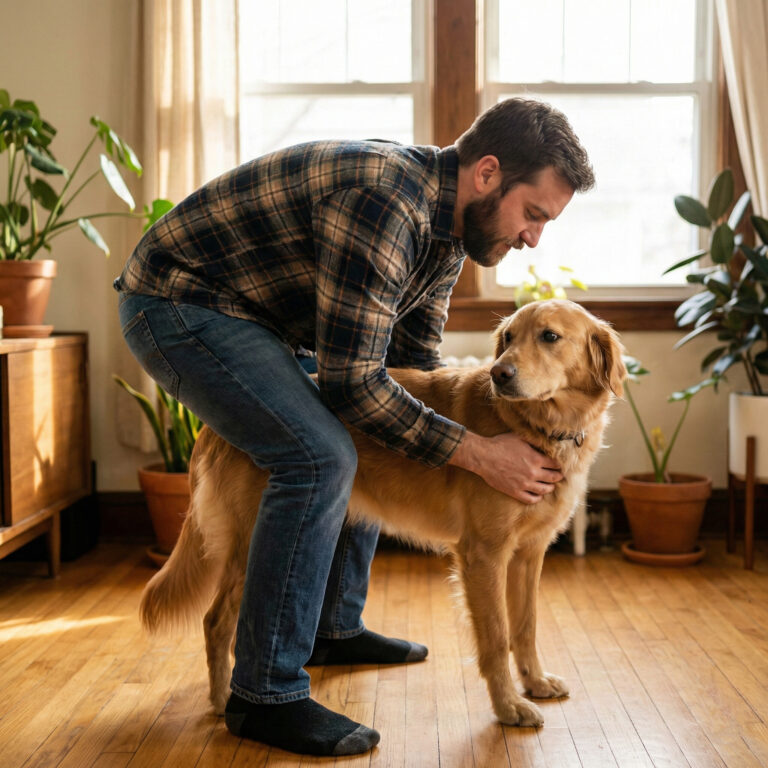
To safely lift a dog, place one arm under the dog’s chest (between the front legs) and the other arm under their rump or behind
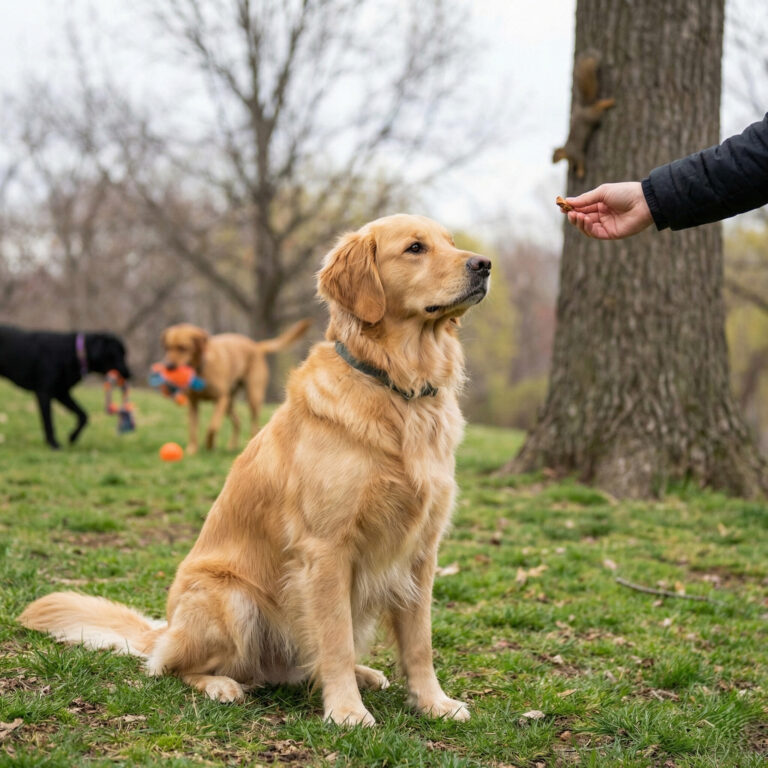
To build focus in an easily distracted dog, start training in a quiet, low-distraction environment using high-value treats or toys. Teach the “Look at Me”
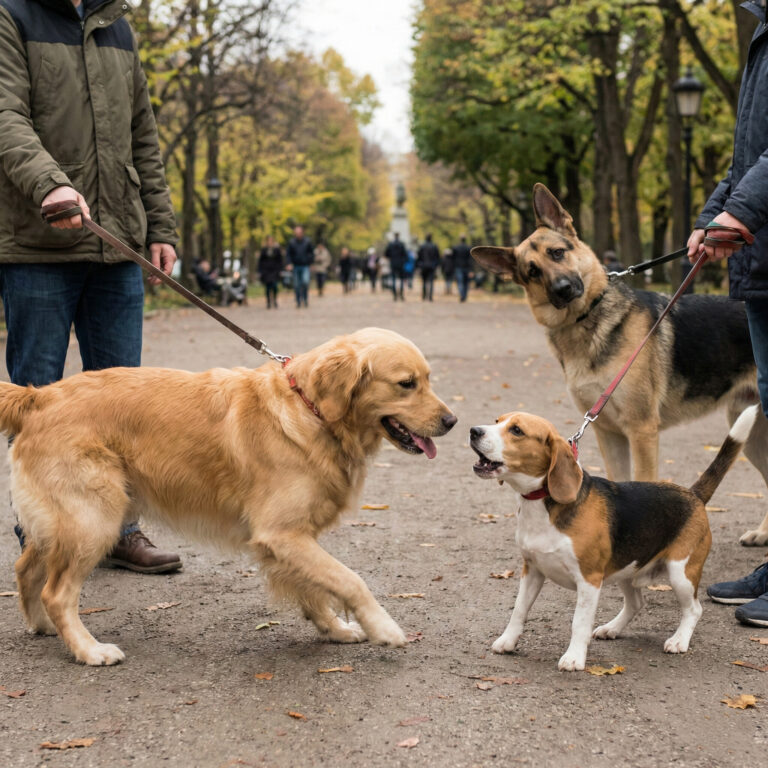
Dogs react differently on a leash primarily due to leash reactivity, which stems from feeling restricted. Without the option to flee or move naturally, a
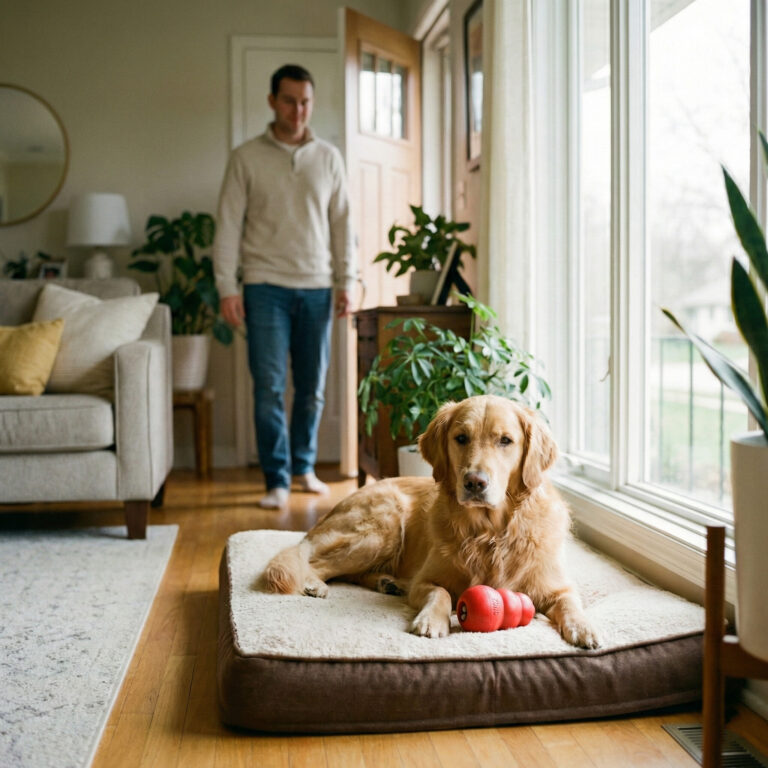
To train a dog to be alone, start by creating a safe, comfortable space like a crate or a specific room. Begin with very short
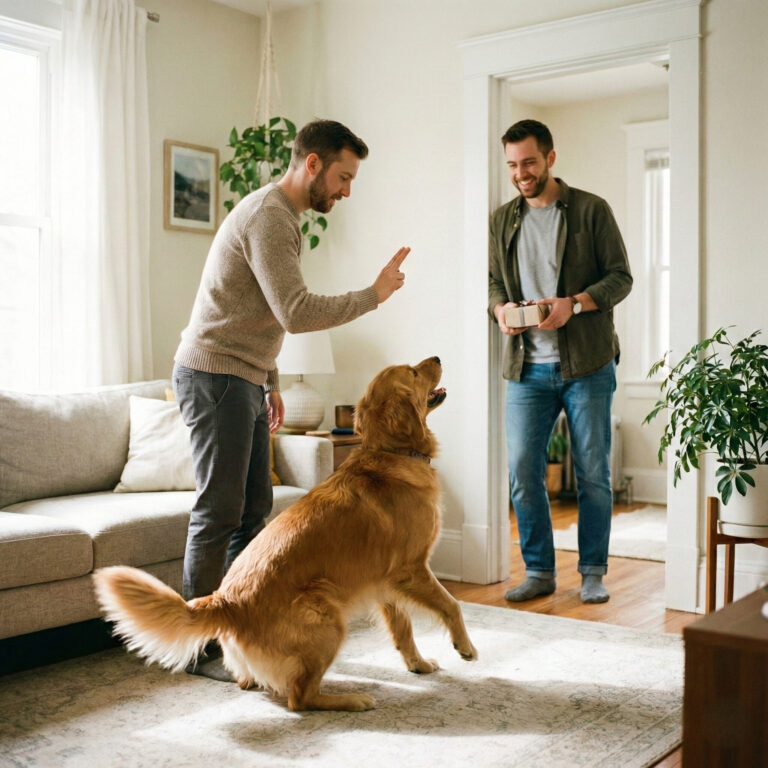
To stop a dog from jumping, remove the reward (attention) immediately. When the dog jumps, turn your back, cross your arms, and remain silent. Do
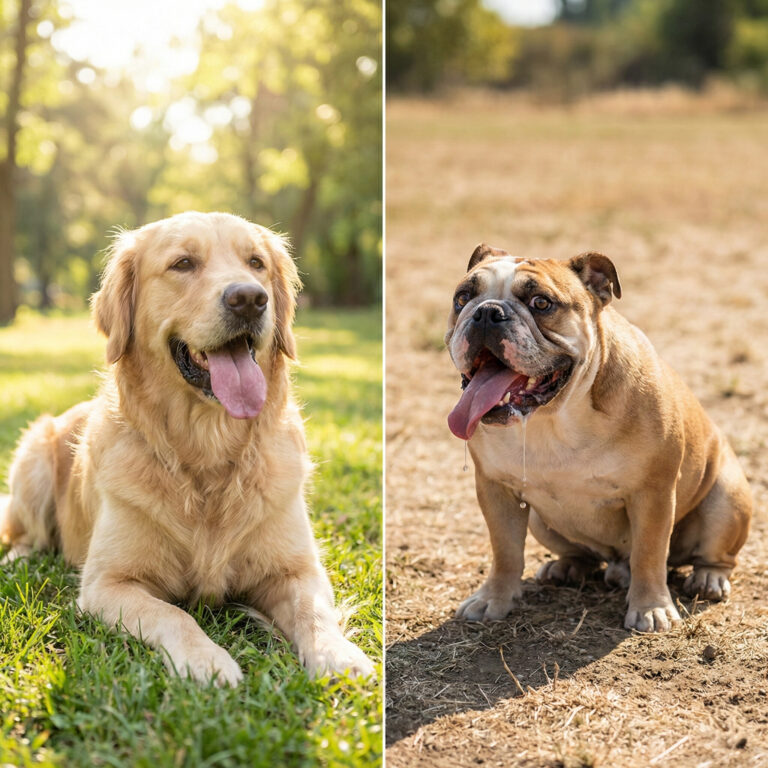
Normal panting is a dog’s primary way to cool down or express excitement. It should resolve quickly once the dog rests or cools off, and