Cats
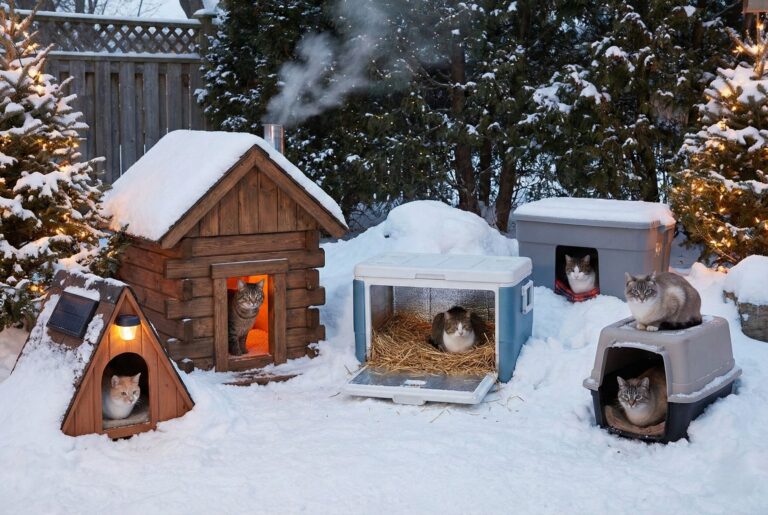
10+ Cozy Winter Outdoor Cat Shelter Ideas to Keep Felines Warm (DIY + Store Bought)
Winter can be a brutal season for any animal spending time outdoors. While many of our feline friends are curled up on the sofa, there


Winter can be a brutal season for any animal spending time outdoors. While many of our feline friends are curled up on the sofa, there
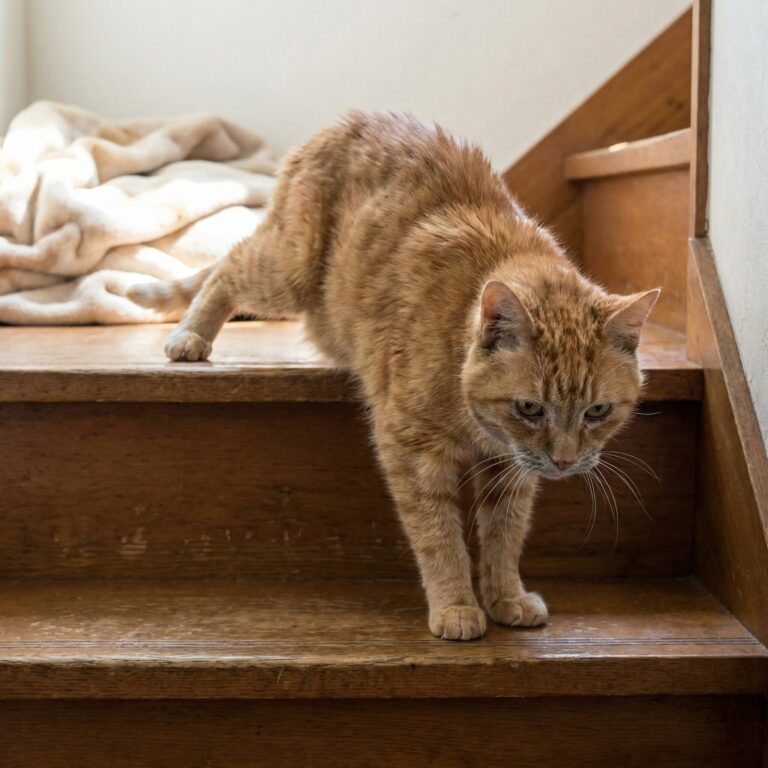
Mobility issues in older cats are most commonly caused by Osteoarthritis (Degenerative Joint Disease), affecting over 90% of cats aged 12 and older. Other frequent

Generally, cats are significantly cheaper to own than dogs. In 2025, the average annual cost of owning a dog ranges from $1,400 to $4,300, while
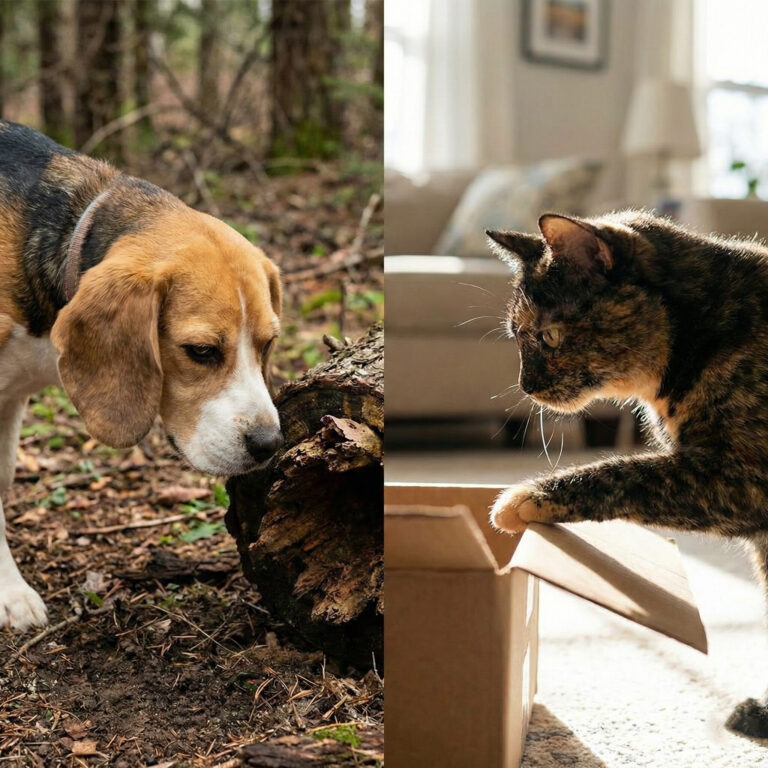
Dogs and cats express curiosity differently. Dogs explore boldly using their sense of smell and often look to humans for guidance. Cats explore cautiously using

For most apartment dwellers, cats are the better choice. They are quieter, require less space, and are content indoors, making them ideal for high-density living.

Dogs generally require a significantly higher time commitment than cats, averaging 2 to 4 hours of active care daily. This includes walking, training, active play,

Generally, dogs adapt more quickly to new environments than cats. Dogs are pack animals that look to their human owners as their secure base; if

Generally, dogs learn faster when it comes to obedience and following commands because they have been bred for thousands of years to cooperate with humans.

Dogs are generally easier to train than cats. Dogs have a natural desire to please their owners and follow social hierarchy, making them responsive to
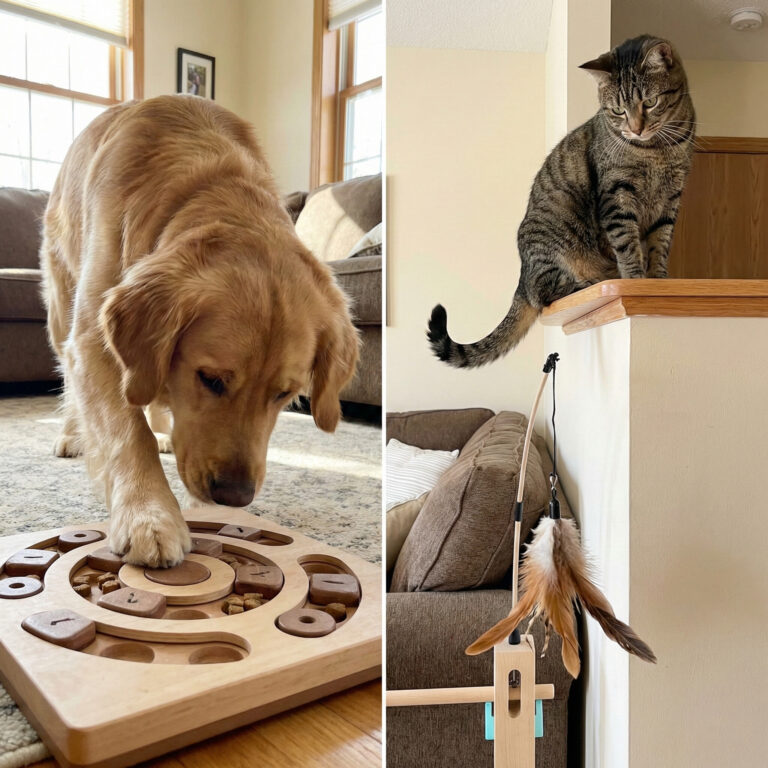
When comparing problem-solving skills in dogs versus cats, neither species is universally “smarter.” They use fundamentally different strategies rooted in their evolutionary history. Dogs are

To safely clean your dog’s ears, lift the ear flap to straighten the L-shaped ear canal and fill it with a vet-approved ear cleaning solution.

W bred dogs to look to humans for guidance and companionship. Conversely, cats evolved from solitary wild hunters. Their survival depended on self-reliance, stealth, and