
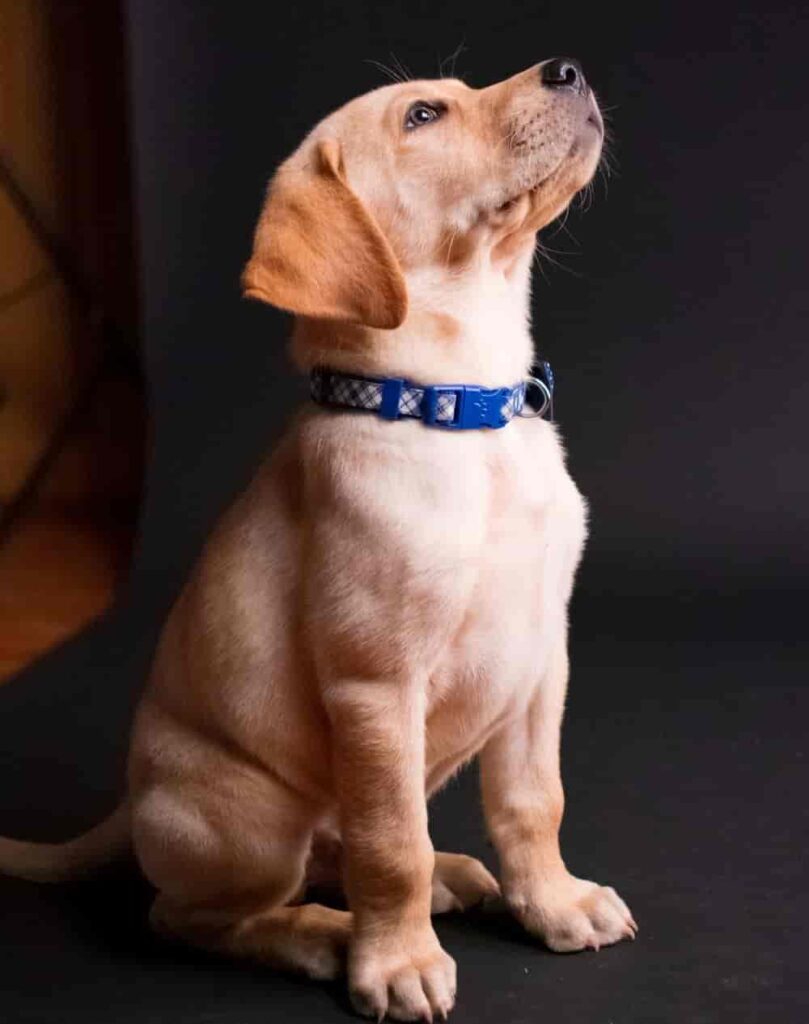
Watching a puppy grow is exciting, but it also raises practical questions. Knowing when your dog will stop growing helps you plan for the future, from choosing the right crate size to buying the correct amount of food.
While every dog is unique, the most important factor in their growth timeline is their adult size. Generally, smaller dogs reach full size much faster than larger dogs.
How Puppies Grow: The Science of “Growth Plates”
Puppies don’t just expand; their bones actually lengthen from specific areas called growth plates.
- What they are: These are flexible, soft areas at the ends of a puppy’s long bones.
- How they work: As a puppy matures, this soft tissue hardens into solid bone.
- When growth stops: Once the plates “close” (harden completely), the dog has reached its final height.
Note: Even after their bones stop growing, dogs will continue to develop muscle and body fat, just like humans.
Growth Timelines by Breed Size
Small bones take less time to mature than large ones. Here is the general breakdown of when dogs reach their full adult height:
1. Small and Toy Breeds (Under 20 lbs)
- Examples: Chihuahuas, Yorkies, Pomeranians.
- Timeline: These dogs grow very quickly. Most stop growing between 6 and 10 months.
2. Medium Breeds (20–50 lbs)
- Examples: Beagles, Border Collies, Cocker Spaniels.
- Timeline: Most reach their full size by 12 months (1 year).
3. Large Breeds (50 – 90 lbs)
- Examples: Labradors, Golden Retrievers, German Shepherds.
- Timeline: These dogs take longer to develop their heavy skeletons. They usually stop growing between 12 and 18 months.
4. Giant Breeds (Over 90 lbs)
- Examples: Mastiffs, Great Danes, Irish Wolfhounds.
- Timeline: These dogs have a lot of growing to do! They may not reach full size until they are 18 to 36 months old.
Can You Predict a Puppy’s Final Size?
If you have a purebred puppy, looking at the parents is the most accurate way to guess their future size. Breeders can usually give you a very close estimate.
If you have a mixed-breed puppy, it’s a bit of a guessing game, but you can look for these signs:
- The Paw Test: If a puppy has oversized, “clunky” paws compared to their body, they likely have more growing to do.
- The Rib Test: Feel your dog’s rib cage. If you can feel small “knobs” on the ribs, these are active growth plates, meaning the dog is still getting taller.
- DNA Testing: A dog DNA test can identify the breeds in your dog’s lineage, which provides a better estimate of their adult weight.
Factors That Affect Growth
Nutrition
High-quality puppy food is essential. Large breed puppies need specific formulas. If they get too many nutrients too fast, their bones can grow quicker than their joints can handle, leading to health issues later in life.
Exercise Safety
Because growth plates are soft and “squishy,” they are easily injured. To protect your puppy’s joints:
- Avoid letting them jump from high surfaces (like couches or tall cars).
- Avoid long-distance running or intense “forced” exercise until they are fully grown.
Frequently Asked Questions
How much more will my dog grow after 6 months?
- Small dogs: Almost done; they are likely at 90% of their size.
- Medium/Large dogs: They still have a significant amount of height and weight to gain.
- Giant dogs: They are often only about half their adult weight at the 6-month mark.
Does neutering or spaying affect growth?
Yes, the timing of these procedures can affect when growth plates close. Consult your vet for the best timeline for your specific breed.